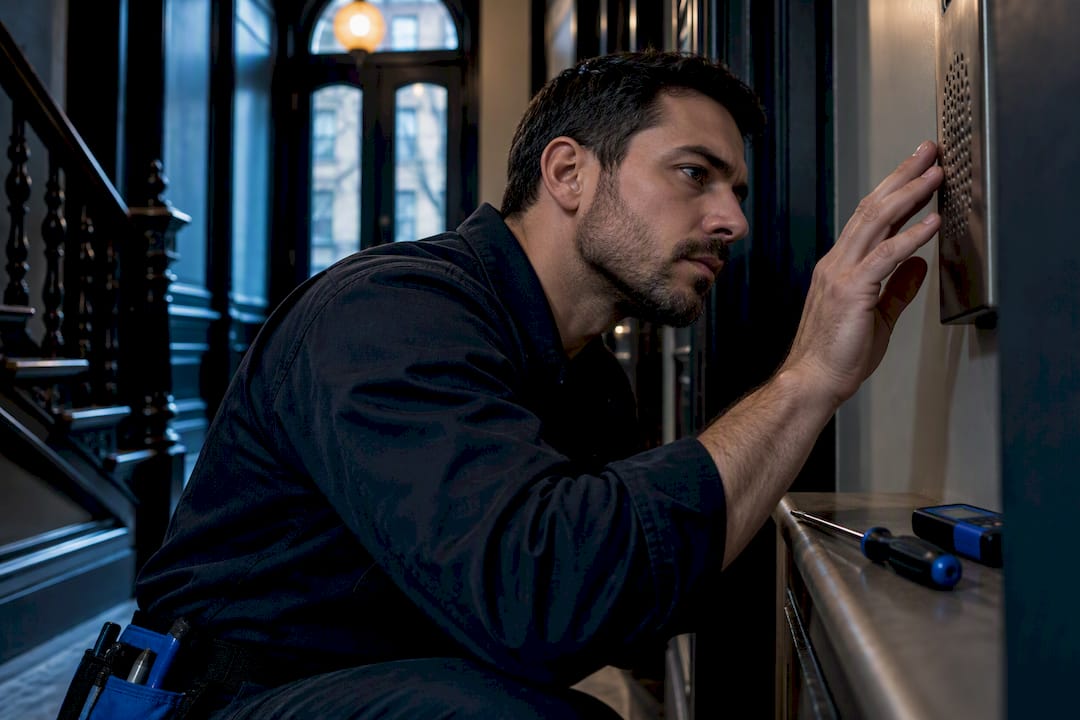
How monitored alarm systems protect businesses: the core answer
A monitored alarm system protects your business by connecting every sensor and detector to a professional central station that operates around the clock. When a threat is detected, trained operators verify the event and dispatch police, fire, or emergency medical services within seconds, not minutes. That distinction separates monitored systems from standalone alarms, which simply make noise and hope someone nearby reacts.
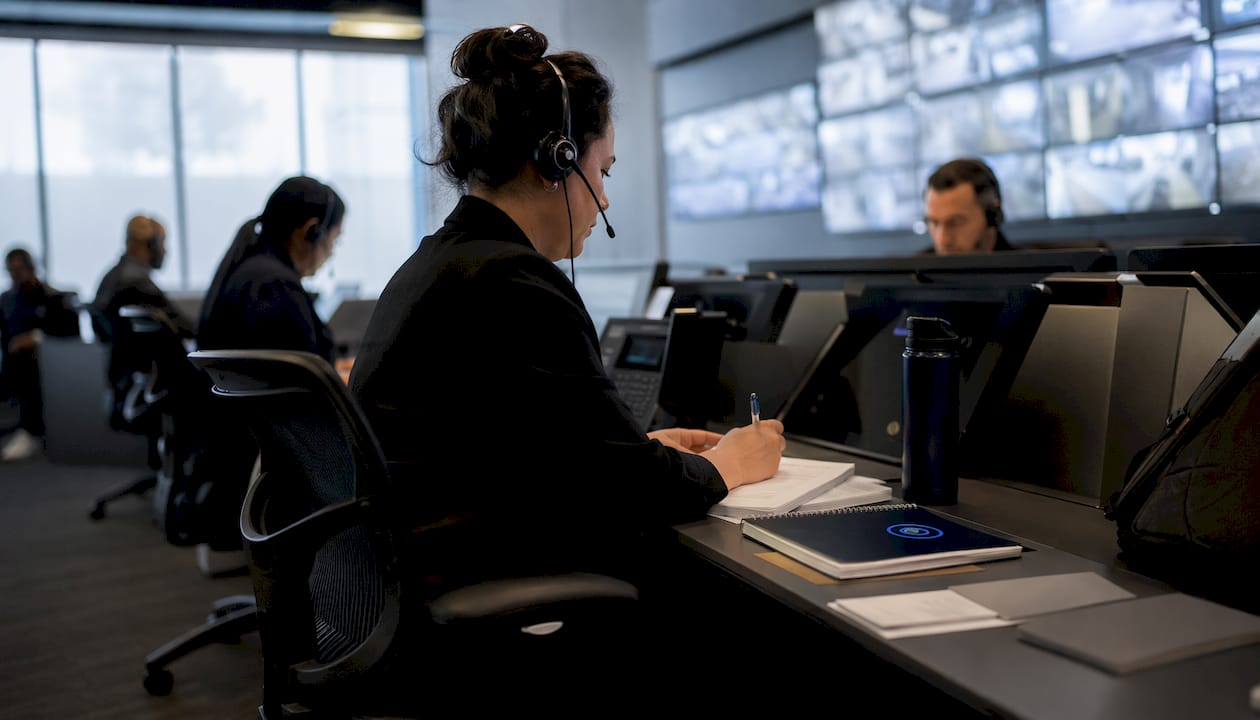
The protective functions cover far more than intrusion. A well-designed commercial system addresses fire, environmental hazards, and unauthorized access simultaneously. Professionally monitored premises experience 60%–70% fewer break-in attempts compared to unmonitored properties, and most people tend to ignore a traditional alarm that only sounds locally. Professional monitoring closes that gap decisively.
Key protective elements of a monitored commercial alarm system:
- 24/7 professional oversight by trained operators at a dedicated central station
- Intrusion detection through door, window, and motion sensors with immediate signal transmission
- Fire and environmental alerts covering smoke, heat, carbon monoxide, and flood conditions
- Verified emergency dispatch that prioritizes your call with law enforcement and fire departments
- Active deterrence through two-way audio, allowing operators to warn intruders in real time
- Insurance premium discounts between 5% and 25% depending on system complexity
- False alarm reduction through operator verification before any dispatch is initiated
What features make a commercial monitored alarm system effective?
The sensor layer is where protection begins. A complete commercial system integrates door and window contacts, passive infrared motion detectors, glass-break sensors, and environmental detectors for smoke, heat, and flooding. Each sensor type addresses a distinct threat category, and combining them creates overlapping coverage that a single-sensor approach cannot match.

Video surveillance and access control integration are what separate a basic alarm from a full business security solution. When cameras feed live footage to the monitoring center, operators can visually confirm whether an alarm is a genuine threat before dispatching emergency services. Two-way audio adds another layer: a live operator can speak directly through on-site speakers, warning an intruder that authorities are already en route. That active intervention often stops a crime before any loss occurs.
Features that define a reliable monitored commercial system:
- Multi-zone sensor coverage for perimeter, interior, and environmental threats
- IP-based video surveillance with remote viewing and live operator access
- Access control integration tracking credential-based entry and exit with time-stamped logs
- Two-way audio capability for real-time operator communication at the premises
- Redundant communication paths using cellular backup when primary internet fails
- UL-listed central monitoring station meeting certification standards insurers recognize
- Mobile app access for business owners to view alerts and system status remotely
The UL listing on the monitoring station matters beyond marketing. Insurance underwriters use UL certification as a direct measure of monitoring reliability, and without it, premium discounts may not apply regardless of what the monitoring contract states.
How the monitoring process works from trigger to response
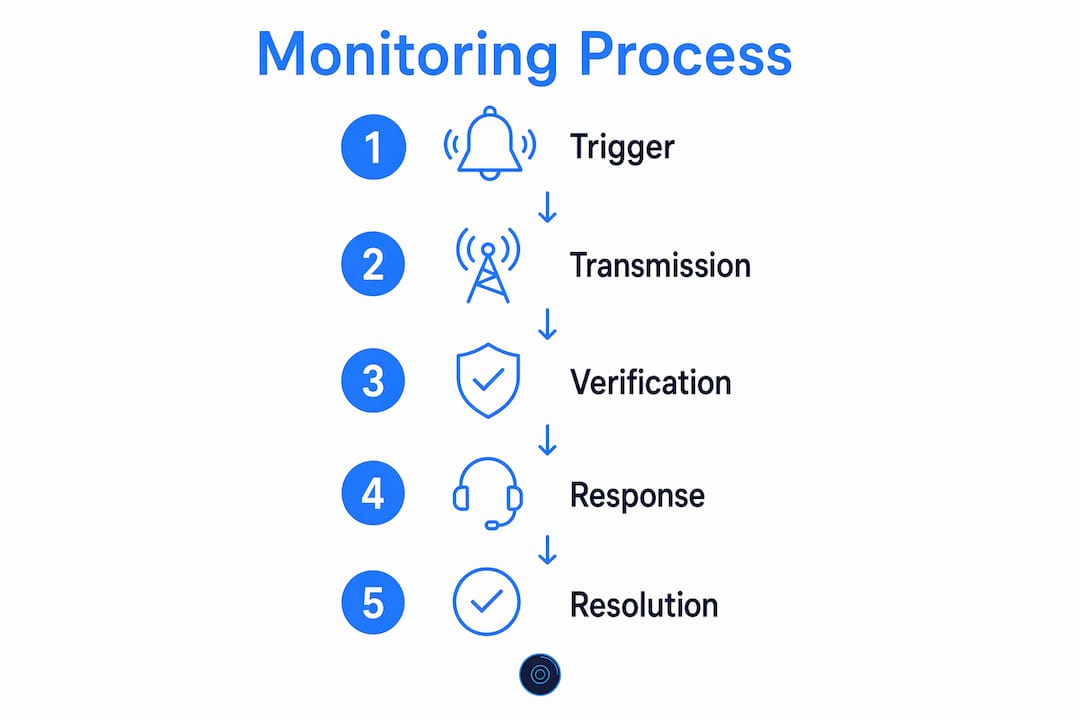
The operational sequence is faster than most business owners expect. The moment a sensor triggers, the alarm panel transmits a digital signal to the central monitoring station. Trained operators receive that signal rapidly, well under the threshold that defines professional-grade response.
Verification comes next. The operator checks available video feeds, attempts to reach an authorized contact at the business, and assesses whether the event is a genuine emergency or a false alarm. This step is critical because verified alarm response protocols reduce false alarm fines and ensure emergency services treat the dispatch as a priority call rather than a routine nuisance. Law enforcement agencies in many jurisdictions deprioritize unverified alarm calls, so verification directly affects how fast help arrives.
Once the threat is confirmed, the operator contacts the appropriate emergency service, provides verified information, and stays on the line to manage the escalation. Professional monitoring frees business owners from carrying that burden themselves, which matters most at 2:00 AM on a Sunday when no staff member is watching a phone.
Operational stages from detection to resolution:
- Sensor triggers and panel transmits encrypted signal to central station
- Operator receives signal, typically within 14 seconds
- Video verification and contact attempts confirm threat status
- Verified dispatch to police, fire, or EMS with full event details
- Operator manages escalation and documents the incident with time-stamped logs
- Business owner receives notification and follow-up incident report
Statistic callout: Professional monitoring centers respond to alarm signals rapidly. Self-monitoring depends entirely on the business owner noticing a phone notification, a process that introduces delays measured in minutes, not seconds.
Which types of monitored systems suit different business categories?
No two commercial properties carry identical risk profiles, and system design should reflect that. A small retail shop in Brooklyn faces shoplifting and after-hours break-in risk as its primary concerns, making a perimeter intrusion system with video verification the logical foundation. A food service operation in Queens adds refrigeration temperature monitoring to that baseline, because a failed walk-in cooler overnight can destroy thousands of dollars in inventory before anyone notices.
Warehouses and light industrial facilities in Staten Island typically require long-range motion detection covering large open floor areas, combined with perimeter sensors on loading dock doors and emergency fire detection across high-ceiling spaces. The sensor placement and communication infrastructure for a 20,000-square-foot warehouse differs substantially from a 1,200-square-foot office suite, and treating them identically produces gaps in coverage.
Multi-site enterprises present a different challenge entirely. Centralizing monitoring across several locations under a single management platform gives operations managers a unified view of all properties, with the ability to review access logs, camera feeds, and alarm history from one interface. Integrated security systems built around this architecture scale as the business grows without requiring a complete redesign at each new location.
System types by business category:
- Small retail and restaurants: perimeter intrusion sensors, video verification, environmental monitoring
- Professional offices: access control with credential logging, interior motion detection, fire integration
- Warehouses and industrial: long-range motion detection, loading dock sensors, high-sensitivity fire detection
- Healthcare and financial: strict access control, audit-trail logging, environmental monitoring for sensitive equipment
- Multi-site enterprises: centralized monitoring platform, uniform sensor standards, scalable communication infrastructure
What does a monitored alarm system cost for a commercial property?
Equipment and installation costs for a commercial monitored system vary with property size, sensor count, and integration complexity. A basic intrusion detection setup for a small office typically starts in the low thousands for hardware and professional installation. A full system incorporating IP cameras, access control panels, environmental sensors, and redundant communication paths for a mid-size commercial property runs considerably higher, often into the five-figure range before monitoring fees.
Monthly monitoring fees are the ongoing cost most business owners underestimate at the outset. Basic central station monitoring for a single commercial location generally falls in the range of $30–$60 per month for intrusion-only coverage. Adding video monitoring, environmental alerts, and managed access control pushes that figure higher, though the exact amount depends on the monitoring provider and service tier selected.
The cost-benefit calculation shifts when insurance savings enter the picture. A business paying $10,000 annually in commercial property insurance that qualifies for a 15% discount saves $1,500 per year, which offsets a meaningful portion of the monitoring fee. Factor in the reduction in potential theft losses and the avoided cost of a single break-in, and the financial case for professional monitoring becomes straightforward.
Key cost components to budget for:
- Hardware and sensors: door contacts, motion detectors, glass-break sensors, environmental detectors
- Control panel and communication equipment: cellular backup modules, IP communicators
- Video surveillance infrastructure: cameras, NVR or cloud storage, cabling
- Access control hardware: card readers, electric strikes, magnetic locks
- Professional installation labor: low-voltage wiring, panel programming, sensor calibration
- Monthly monitoring fee: central station coverage, video verification, environmental alerts
- Annual maintenance and testing: sensor calibration, communication checks, battery replacement
Pro Tip: Request an itemized quote that separates equipment, installation labor, and monitoring fees. Some providers bundle these in ways that obscure the true ongoing cost. Knowing each line item also helps when presenting the system to your insurance broker for a premium review.
How monitored alarms reduce insurance costs and business risk
Insurance underwriters price commercial property premiums based on expected claim frequency and severity. A business with a professionally monitored alarm system connected to a UL-listed central station presents a measurably lower risk profile than one relying on a standalone siren. That difference translates directly into premium reductions that insurers apply in documented tiers.
Businesses with professionally monitored systems qualify for insurance premium discounts between 5% and 25%, depending on system integration complexity. Basic intrusion detection yields 5–10% discounts; combining fire and burglary monitoring gets 10–15%; full security suites including video and access control offer 15–25% discounts on the relevant portions of the premium.
The UL listing requirement is where many business owners lose discounts they believe they have earned. Insurance underwriters favor UL-listed monitoring stations because the certification confirms redundant power, 24/7 staffing, documented response protocols, and regular audits. A self-monitoring app on a business owner’s phone cannot satisfy that standard, regardless of how capable the underlying technology is. Many insurers require a Certificate of Installation and proof of UL listing before applying any discount to the policy.
Statistic callout: Monitored alarm systems reduce break-in attempts by 60%–70% on professionally monitored premises. That reduction in incident frequency directly lowers the probability of a claim, which is precisely the risk reduction insurers price into their discount tiers.
Risk and insurance benefits at a glance:
- Insurance premium discounts between 5% and 25% tied to monitoring integration level and UL certification
- Verified dispatch reduces false alarm fines that municipalities levy on properties with repeated unverified calls
- Incident documentation from the monitoring station supports faster, more complete insurance claims
- Reduced break-in frequency lowers claim history, protecting long-term premium rates
- Fire detection integration qualifies for additional reductions on the fire portion of commercial property premiums
- Access control audit logs address internal theft and unauthorized access risk, categories some insurers price separately
Practical insights from YDA Security Systems NYC on commercial installations
Installing a monitored alarm system in a commercial property in Manhattan, Brooklyn, Queens, or Staten Island involves considerations that go beyond selecting sensors and signing a monitoring contract. Local building codes govern low-voltage wiring methods, conduit requirements in certain occupancy types, and fire alarm integration standards. A system installed without attention to these requirements may fail inspection, void the monitoring agreement, or disqualify the property from insurance benefits.
Sensor placement is where system design either succeeds or creates persistent false alarm problems. Motion detectors positioned too close to HVAC vents, heating units, or windows facing direct sunlight generate nuisance triggers that erode staff confidence in the system over time. Door contacts on warped frames or high-traffic entries need adjustment tolerances that a technician learns from direct experience with commercial installations, not from a product manual.
Integrating commercial security systems across multiple technologies, including CCTV, access control, intercom, and intrusion detection, requires careful planning of the low-voltage infrastructure. Running separate cable paths for each system without a unified wiring plan creates maintenance headaches and limits future expansion. At YDA Security Systems NYC, we design the conduit and cabling layout before a single sensor is mounted, which keeps the installation clean, code-compliant, and ready for future additions.
Regular maintenance and testing are what keep a monitored system performing as designed after installation. Sensor calibration drifts over time, backup batteries degrade, and communication modules need periodic verification to confirm they connect reliably to the central station. A system that has not been tested in 18 months may appear operational on the panel while a failed cellular backup module sits undetected.
Best practices from YDA Security Systems NYC commercial projects:
- Conduct a site walk before design to identify sensor placement conflicts, wiring paths, and panel location
- Specify UL-listed monitoring from the outset and confirm the listing with the insurer before installation
- Integrate access control with the intrusion system so armed/disarmed status aligns with credential-based entry
- Program distinct alarm zones for after-hours areas versus 24-hour spaces to reduce false triggers
- Test all communication paths, including cellular backup, at least quarterly
- Retain the Certificate of Installation and monitoring agreement in a location accessible to your insurance broker
- Schedule annual system reviews to address sensor drift, battery replacement, and firmware updates
Pro Tip: Before your next insurance renewal, request a written confirmation from your monitoring provider that the central station holds a current UL listing. Hand that document to your broker alongside the Certificate of Installation. Without both, the discount may not appear on your policy even if the system qualifies.
Key Takeaways
Monitored alarm systems protect businesses by connecting every sensor to a UL-listed central station where trained operators verify threats and dispatch emergency services in approximately 14 seconds, reducing break-in attempts by 60%–70% and qualifying properties for insurance premium discounts between 5% and 25%.
| Point | Details |
|---|---|
| Response speed matters | Professional monitoring centers receive alarm signals in approximately 14 seconds, far faster than any self-monitoring setup. |
| Break-in deterrence is measurable | Professionally monitored premises experience 60%–70% fewer break-in attempts than unmonitored properties. |
| Insurance discounts require documentation | Insurance premium discounts between 5% and 25% apply only when the monitoring station holds a current UL listing and a Certificate of Installation is on file. |
| System integration amplifies protection | Combining intrusion sensors, video, access control, and environmental detectors creates layered coverage that single-technology systems cannot match. |
| Maintenance preserves eligibility | Regular testing of sensors, backup communication, and batteries keeps the system compliant and insurance benefits intact. |
FAQ
How do monitored alarm systems work when a sensor triggers?
When a sensor activates, the alarm panel transmits a signal to a central monitoring station, where a trained operator receives it in approximately 14 seconds, verifies the threat using available video or contact attempts, and dispatches the appropriate emergency service if the alarm is confirmed.
Does having a monitored alarm reduce business insurance premiums?
Yes. Businesses with professionally monitored systems typically qualify for insurance premium discounts between 5% and 25%, with the higher end applying to full security suites that include video surveillance and access control, provided the monitoring station carries a current UL listing.
How much does commercial alarm monitoring cost per month?
Basic central station monitoring for a single commercial location generally runs $30–$60 per month for intrusion coverage; adding video monitoring and environmental alerts increases that figure depending on the provider and service tier.
Can a third-party monitoring center watch an existing alarm system?
Yes, provided the existing panel is compatible with the monitoring center’s communication protocols. A licensed technician can assess whether the current hardware supports the connection or whether a communicator upgrade is needed before transferring service.
How often should a commercial alarm system be tested and maintained?
Communication paths, including cellular backup, should be tested at least quarterly. Full system maintenance covering sensor calibration, battery checks, and firmware verification is recommended annually to maintain reliability and preserve insurance coverage standing.
Recommended
- Perimeter Security for Businesses: A Complete Guide
- Why You Should Upgrade Your Business and Home Security Systems ? – YDA Security Systems NYC
- Business Surveillance Setups: 8 Real-World Examples
- The Benefits of Access Control Systems for Your New York City Business or Home – YDA Security Systems NYC