
Integrated security solutions are defined as centralized platforms that unify access control, video surveillance, alarm systems, and visitor management into a single, coordinated system. Property and facility managers who adopt this approach gain more than improved safety. They gain operational intelligence, measurable cost reductions, and the ability to respond to threats in seconds rather than minutes. The benefits of integrated security solutions extend well beyond the guard desk, touching insurance costs, energy efficiency, compliance reporting, and staff productivity. This article covers the ten most significant advantages, supported by current industry data, to help you make a well-informed investment decision.
1. Benefits of integrated security solutions: faster incident detection and response
Integrated systems detect and respond to threats faster than any collection of standalone tools. When a door access event triggers simultaneously with a camera alert, the system correlates both signals and notifies security personnel with full context. That coordination eliminates the manual cross-referencing that slows response in fragmented setups.
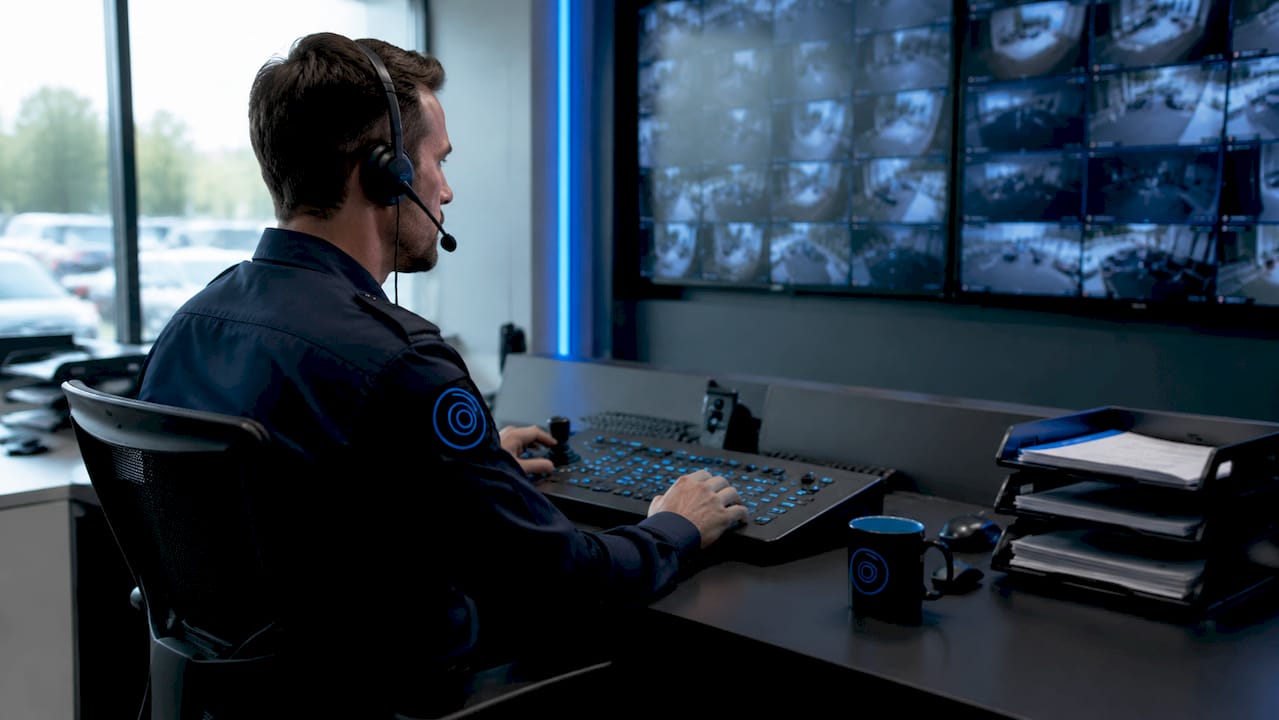
Automated workflows in integrated systems trigger lockdowns during fire alarms and alert teams to equipment faults within seconds. That speed matters most in dense properties like Manhattan office towers or Brooklyn mixed-use buildings, where a delayed response can affect hundreds of occupants. Synchronized video and access logs also accelerate post-incident investigations by giving security staff a single, timestamped record.
Pro Tip: Configure your integrated platform to send mobile push alerts to on-call facility managers, not just the security desk. That single change cuts average response time significantly on nights and weekends.
- Real-time alerts trigger automated zone lockdowns without manual intervention.
- Correlated video and access data reduce investigation time from hours to minutes.
- Automated monitoring reduces human error caused by fatigue during long shifts.
- Contextual alerts direct guards to the exact location of a threat, not just a building.
2. Measurable cost savings and ROI
Integrated security systems deliver financial returns that justify capital expenditure to any board or ownership group. Commercial property insurers offer premium discounts ranging from 5% to 20% for properties with professionally monitored integrated systems. For a mid-sized property carrying $5 million to $20 million in coverage, that translates to $10,000 to $50,000 or more in annual savings.
Payback periods for well-designed active security programs typically run 12 to 36 months, and under 12 months for high-risk properties. That timeline makes integration a capital investment, not an operating expense. Eliminating physical key management, reducing on-site server maintenance, and cutting overtime for manual monitoring all contribute to the financial case.
- Insurance premium reductions of 5–20% apply when professional monitoring is documented.
- Removing physical key systems eliminates locksmith callouts and re-keying costs.
- Cloud-based platforms eliminate on-site server hardware and the IT labor that maintains it.
- Consolidated vendor contracts reduce licensing and support overhead.
3. Reduced employee fraud and internal theft losses
Employee fraud and internal theft represent a significant financial risk that many facility managers underestimate. Integrated systems that correlate video, access, and transaction data are the most effective tool to reduce this exposure, which accounts for 25% to 45% of losses in retail and hospitality environments. That correlation makes it far harder for internal actors to exploit gaps between disconnected systems.
When access logs, camera footage, and point-of-sale data share a common timeline, anomalies surface automatically. A facility manager reviewing a flagged report sees the full picture without pulling records from three separate systems. That efficiency also supports HR and legal processes when disciplinary action is required.
4. Data-driven proactive facilities management
Integrated security platforms generate operational data that goes well beyond threat detection. Occupancy and movement analytics from access control and video sensors identify underutilized spaces, which allows facility managers to adjust HVAC and lighting in those zones and reduce energy costs. That reframes security from a cost center into a source of operational savings.
Automated alerts on equipment behavior also enable early intervention before failures occur. A sensor detecting an unusual door cycle count, for example, can trigger a maintenance ticket before the hardware fails entirely. This transition from reactive to proactive facilities management is one of the most underappreciated advantages of security integration.
Pro Tip: Export monthly occupancy heat maps from your integrated platform and share them with your facilities team. Those maps often reveal energy waste in conference wings and storage corridors that no one has audited in years.
- Access and sensor data identify low-traffic zones for energy reduction.
- Automated maintenance alerts reduce unplanned equipment downtime.
- Integrated audit trails simplify compliance reporting for insurance and regulatory reviews.
- Predictive risk data supports capital planning for hardware upgrades.
5. Scalability and centralized management across multiple sites
Integrated platforms scale across multiple buildings and campuses without requiring a proportional increase in administrative staff. A facility manager overseeing properties in Queens, Staten Island, and Manhattan can monitor all sites from a single dashboard, adjusting access permissions and reviewing alerts without traveling between locations. That centralized control is a direct advantage of security integration for organizations managing complex or growing portfolios.
Legacy systems integrate via middleware and protocols like BACnet without full hardware replacement. That means existing fire panels, building management systems, and older access readers can connect to a modern platform at a fraction of the cost of a full rip-and-replace. The table below compares management approaches across platform types.
| Feature | Standalone systems | Integrated platform |
|---|---|---|
| Multi-site visibility | Requires separate logins per site | Single dashboard for all locations |
| Legacy hardware support | No native connection | BACnet and middleware integration |
| Remote access management | Limited or unavailable | Full mobile and cloud access |
| Vendor management | Multiple contracts and portals | Consolidated administration |
| Audit trail generation | Manual compilation | Automated and timestamped |
6. Stronger compliance and audit trail documentation
Regulatory compliance is a growing concern for facility managers in New York City, where building codes and insurance requirements continue to evolve. Integrated security systems generate automatic, timestamped audit trails that document every access event, alarm trigger, and system change. That documentation satisfies insurance auditors, fire marshals, and corporate governance requirements without manual record-keeping.
Boards now demand that security investments deliver transparent business KPIs including system uptime and ESG compliance metrics, not just incident counts. Integrated platforms produce those reports automatically, which makes the annual budget justification process far more straightforward. A security checklist for property managers can help you identify which compliance requirements your current system already meets and where gaps remain.
7. Enhanced security personnel effectiveness
Integrated technology makes security personnel more effective without increasing headcount. Systems direct guards to the exact location of a threat with full contextual information, including camera feeds, access history, and alarm status, delivered to a mobile device or control room screen. That precision eliminates the wasted time of random patrols and reduces the cognitive load on monitoring staff.
Integration acts as a force multiplier for your existing team. One trained operator managing an integrated platform covers more ground with greater accuracy than three operators working across disconnected systems. The result is better coverage at the same or lower staffing cost, which is a direct advantage for facility managers operating under budget pressure.
8. Improved tenant and occupant experience
Security directly affects tenant satisfaction and retention in commercial and residential properties. Integrated systems support features like mobile credential access, video intercom entry, and automated visitor management that tenants expect in modern buildings. Properties in Manhattan and Brooklyn that offer these capabilities report stronger lease renewal rates and fewer access-related complaints.
Visitor management integration is particularly valuable for mixed-use properties. When a visitor checks in at the lobby, the system can automatically notify the host, log the visit, and grant temporary access to specific floors without any manual intervention from building staff. That experience reflects well on property management and reduces front-desk workload simultaneously.
9. Cybersecurity governance for connected building systems
Integrated security platforms introduce cyber-physical risks that standalone systems do not carry. Cyber-physical blind spots arise when IT and facilities security teams lack shared ownership of connected systems, creating vulnerabilities at the intersection of operational technology and building management. Addressing this requires a governance model that assigns clear responsibility for both physical and network security.
Standard IT vulnerability scanners can disrupt building automation and operational technology controllers, causing faults or crashes during active scans. Passive network monitoring is the correct approach for building automation systems. Facility managers should confirm that their integration vendor follows this practice before deployment.
10. Long-term asset value and property positioning
Integrated security systems increase the assessed value and market positioning of commercial properties. Buildings with documented, professionally installed security infrastructure attract institutional tenants, command higher lease rates, and perform better in due diligence reviews during sales or refinancing. That asset-level benefit compounds over time as the system generates ongoing compliance records and operational data.
Reviewing how commercial security systems work together gives facility managers a clearer picture of which components drive the most value for their specific property type. Properties that treat security as a long-term asset investment, rather than a one-time installation, consistently outperform those that do not in both operational efficiency and tenant retention.
Key Takeaways
Integrated security solutions deliver the greatest return when they unify access control, video, alarms, and data analytics into a single managed platform from the start.
| Point | Details |
|---|---|
| Insurance savings are immediate | Professionally monitored integrated systems reduce premiums by 5–20% annually. |
| ROI timelines are predictable | Most properties recover their investment within 12–36 months of deployment. |
| Legacy hardware can integrate | BACnet and middleware protocols connect existing systems without full replacement. |
| Data drives operational savings | Occupancy analytics reduce energy costs in underutilized zones across the property. |
| Compliance reporting is automated | Integrated audit trails satisfy insurance, regulatory, and ESG reporting requirements. |
How YDA Security Systems NYC supports integrated security in New York
YDA Security Systems NYC designs and installs integrated security platforms for commercial and residential properties across Manhattan, Brooklyn, Queens, and Staten Island. Our licensed technicians connect access control, CCTV, intercom systems, and commercial door hardware into unified platforms built for the specific demands of New York City buildings. We work with both new installations and legacy systems, using middleware integration to protect your existing hardware investment. Every installation carries a one-year warranty, and our team provides ongoing support to keep your system performing at full capacity. For properties in the hospitality sector, our hotel security systems service addresses the full range of integrated security requirements from guest floor access to back-of-house monitoring.
FAQ
What is an integrated security solution?
An integrated security solution is a centralized platform that connects access control, video surveillance, alarms, and visitor management into a single system. It automates coordination between these components to improve response speed and operational efficiency.
How much can integrated security reduce insurance premiums?
Commercial property insurers offer discounts ranging from 5% to 20% for properties with professionally monitored integrated systems. Mid-sized properties can save $10,000 to $50,000 or more annually depending on coverage levels.
Can existing security hardware connect to an integrated platform?
Yes. Legacy systems including older access readers, fire panels, and building management systems connect via middleware and protocols like BACnet without requiring full hardware replacement.
How do integrated security systems support compliance reporting?
Integrated platforms generate automatic, timestamped audit trails for every access event, alarm, and system change. Those records satisfy insurance auditors, fire marshals, and ESG reporting requirements without manual documentation.
What is the typical payback period for an integrated security investment?
Well-designed integrated security programs deliver payback periods of 12 to 36 months. High-risk properties often recover their investment in under 12 months when insurance savings and operational efficiencies are factored in.