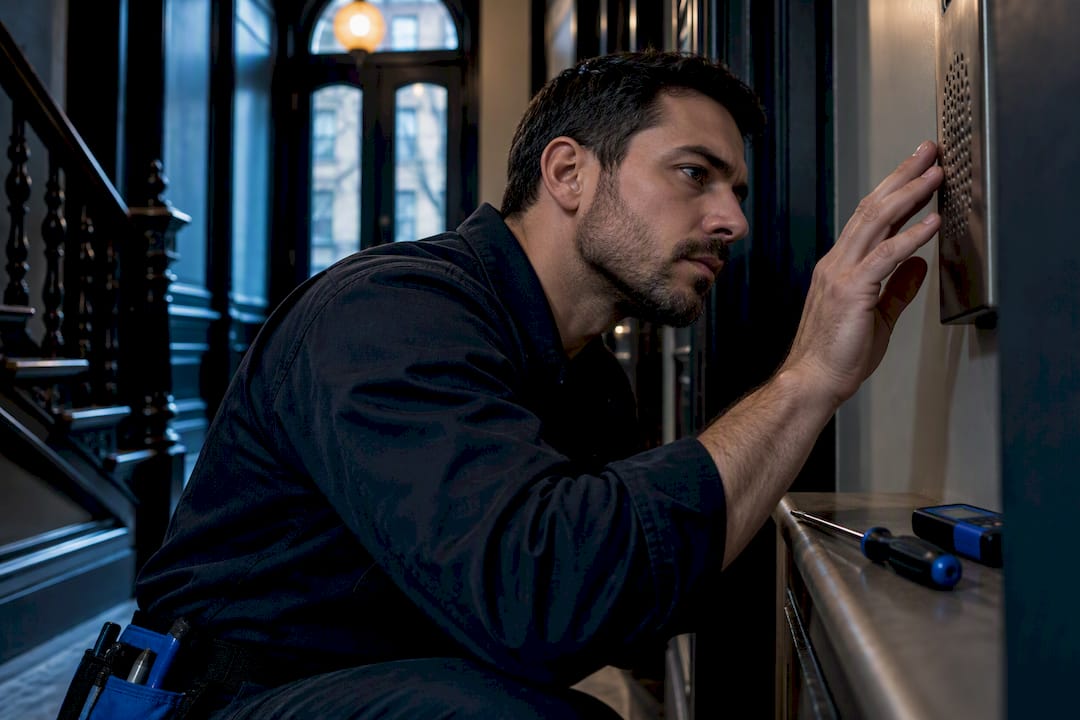
Welcome to a practical, no-nonsense guide designed to help property managers protect their buildings, tenants, and assets with confidence. Security is no longer just about locks and cameras; it is about prevention, planning, and understanding where real risks exist before they turn into costly incidents. Whether you manage a small residential building or a large multi-unit property, having a clear security checklist helps you stay organized, reduce liability, and meet tenant expectations. This guide breaks down essential building security measures, common mistakes, and real-world considerations, including challenges faced by property managers in high-density areas like New York City, so you can take action with clarity rather than guesswork.
A security checklist for property managers is a structured list of measures used to protect buildings, tenants, and property assets. It typically includes exterior lighting, access control systems, surveillance coverage, interior common area security, and emergency preparedness procedures. Using a building security checklist helps property managers identify vulnerabilities, reduce safety risks, and maintain consistent security standards across residential and commercial properties.
Why Security Matters for Property Managers (Beyond Compliance)
Security is often treated as a box to check rather than a responsibility to manage, but for property managers, the impact of security decisions extends far beyond meeting basic regulations. Real security affects how safe tenants feel in their homes or workplaces, how exposed owners are to risk, and how a property is perceived in the market. When security is approached thoughtfully instead of reactively, it becomes a core part of good property management rather than an afterthought.
Tenant Safety Expectations Are Higher Than Ever
Tenants today expect more than locked doors and posted rules. They want to feel safe moving through the building at any hour and confident that security concerns will be taken seriously.
- Personal safety: Tenants expect well-lit entrances, secure access points, and common areas that do not feel isolated or neglected.
- Consistency: Security measures must work reliably every day, not just during inspections or after an incident.
- Responsiveness: When tenants report concerns, they expect clear communication and timely action, not vague assurances.
When these expectations are not met, tenants do not just feel inconvenienced. They feel vulnerable, and that feeling quickly turns into complaints, distrust, and turnover.
Legal and Liability Exposure for Property Managers
Security gaps are not just operational problems; they can create serious legal consequences. Property managers have a duty to take reasonable steps to protect tenants and visitors from foreseeable risks.
- Negligence claims: Poor lighting, broken locks, or ignored access issues can be cited as failure to provide reasonable care.
- Incident documentation: Inadequate policies or missing records make it harder to defend decisions if a claim arises.
- Shared responsibility: Even when owners carry insurance, property managers are often named in lawsuits tied to security failures.
Many legal issues stem from small oversights that were never addressed because they were seen as low priority at the time.
Insurance Implications and Risk Management
Insurance providers look closely at how a property is secured, especially after an incident. Security practices can directly affect coverage, claims, and long-term costs.
- Premium impact: Properties with documented security measures and regular reviews are often viewed as lower risk.
- Claim scrutiny: After a loss, insurers may examine whether reasonable security steps were in place and maintained.
- Policy limitations: Some policies exclude or limit coverage if basic security standards are not met.
From a risk management standpoint, proactive security planning is often less expensive than dealing with increased premiums or denied claims later.
Reputation and Tenant Retention
A building’s reputation is shaped as much by how safe it feels as by how it looks. Word travels quickly when security issues are ignored or handled poorly.
- Tenant retention: People are far more likely to move out of a building where they feel unsafe, even if rent and location are appealing.
- Online reviews: Security complaints often appear in public reviews and can deter future tenants.
- Owner confidence: Property owners expect managers to protect the long-term value of their investment, not expose it to avoidable risk.
Strong security practices quietly build trust, while weak ones tend to damage credibility in visible and lasting ways.
Minimum Compliance Versus Real Security
Meeting minimum code requirements does not automatically mean a property is secure. Compliance sets a baseline, but real security addresses how people actually use and move through a building.
- Regulations: Codes often focus on safety standards, not day-to-day behavior or evolving threats.
- Practical gaps: Areas like side entrances, package rooms, and shared spaces are commonly overlooked.
- Active management: Real security requires regular review, adaptation, and follow-through, not one-time installations.
Property managers who focus only on compliance may technically meet requirements while still leaving tenants exposed to preventable risks.
Core Principles of Property Management Security
Before diving into any building security checklist, it is important to understand the foundational principles that guide effective property management security. Strong security is not about adding random measures or reacting to problems as they arise. It is about creating a structured, thoughtful system that reduces risk, protects people, and supports long-term property value. These core principles help property managers make smarter decisions and avoid costly gaps that are often overlooked until an incident occurs.
Layered Security Approach
A layered security approach recognizes that no single measure can protect a property on its own. Real-world security works best when multiple layers support each other, making it harder for threats to succeed and easier to detect issues early.
- Physical security: This refers to the tangible elements that deter or slow unauthorized access, such as doors, locks, lighting, fencing, and barriers. Well-maintained physical security sends a clear signal that a property is monitored and cared for, which alone can discourage opportunistic behavior.
- Access control: Access control determines who can enter the building and which areas they can reach. This includes keys, fobs, card systems, intercoms, and visitor management processes. Strong access control limits exposure by ensuring only authorized individuals can enter sensitive areas, reducing the chance of internal incidents.
- Surveillance: Cameras and monitoring systems provide visibility and accountability. Their value is not just in recording incidents, but in helping property managers identify patterns, respond faster, and support investigations when needed. Proper placement and maintenance matter more than simply having cameras installed.
- Operational procedures: Security depends heavily on how a property is managed day to day. Clear procedures for handling deliveries, maintenance access, emergencies, and incidents help ensure consistency and reduce human error. Even the best equipment can fail if procedures are unclear or ignored.
- Human behavior: Tenants, staff, and vendors all influence security outcomes. Educating people on basic safety practices, reporting concerns, and following access rules plays a critical role. Security improves significantly when everyone understands their role rather than assuming it is someone else’s responsibility.
Prevention vs Reaction
One of the most important principles in property management security is the difference between preventing issues and reacting after they happen. Proactive security focuses on reducing risk before incidents occur, while reactive security responds only after damage is done.
- Why proactive security saves money and risk: Preventative measures help avoid property damage, injuries, legal exposure, and insurance claims. Addressing vulnerabilities early is almost always less expensive than dealing with the aftermath of theft, vandalism, or safety incidents. Proactive security also builds tenant trust, which supports retention and reputation.
- Common reactive mistakes property managers make: Many property managers invest in security only after an incident, such as installing cameras following a break-in or tightening access after a complaint. Other common mistakes include ignoring small warning signs, failing to document incidents, or relying on temporary fixes instead of long-term solutions. These reactive patterns often lead to repeated problems and higher overall risk.
Understanding these core principles makes it easier to evaluate security decisions objectively and apply them consistently across a property. With this strategic foundation in place, the next step is translating these principles into a practical, actionable security checklist that property managers can use to assess and strengthen their buildings effectively.
Building Security Checklist for Property Managers
Building security is not a single system or one-time decision. It is a collection of small, practical choices that work together to reduce risk, protect people, and create a safer environment every day. For property managers, a clear building security checklist helps ensure nothing important is missed, especially as buildings age, tenants change, and usage patterns shift. The sections below break down the most critical areas to review, with real-world context on what matters and why.
Exterior Building Security Checklist
The exterior of a building sets the tone for security. It is the first thing tenants, visitors, and potential intruders interact with, and it is often where preventable issues begin.
- Perimeter Lighting: Adequate lighting in parking lots, walkways, and entrances reduces hiding spots and makes suspicious activity easier to spot. Lighting should be consistent, functional, and checked regularly for outages rather than installed and forgotten.
- Door and Gate Integrity: Exterior doors and gates should close fully, latch securely, and show no signs of warping or damage. A door that does not close properly can quietly undermine every other security measure in place.
- Fencing and Barriers: Fences, railings, and barriers help define property boundaries and control access points. Gaps, loose panels, or damaged sections signal neglect and create easy entry paths.
- Landscaping Visibility: Overgrown shrubs, tall hedges, and decorative features can unintentionally create blind spots. Landscaping should enhance curb appeal without blocking sightlines near entrances and windows.
- Signage and Visibility Cues: Clear signage indicating monitored areas, restricted access, or private property can act as a simple deterrent and guide legitimate visitors to appropriate entry points.
Small exterior details often get overlooked because they seem minor in isolation. In practice, these are the exact issues that create opportunities for unauthorized access when combined over time.
Entry Points and Access Control Checklist
Entry points are where most security breaches occur, making access control one of the most important responsibilities for property managers.
- Main Entrance Security: The primary entrance should be well-lit, clearly visible, and equipped with reliable locking mechanisms. In higher-traffic buildings, controlled entry systems help ensure only authorized individuals enter.
- Secondary and Emergency Exits: These exits are necessary for safety but often become weak points if not monitored. They should alarm or log access where appropriate without interfering with emergency use.
- Key, Fob, and Card Access Systems: Access credentials should be issued carefully, tracked consistently, and deactivated immediately when tenants or staff move out. Uncontrolled access credentials are a common and preventable risk.
- Visitor Access Procedures: Clear procedures for guests help prevent tailgating and confusion. Whether through intercoms, sign-in systems, or staff oversight, visitors should not have unrestricted access.
- Delivery and Vendor Access: Delivery drivers and vendors often need temporary access. Time-limited permissions and designated entry points help maintain control without disrupting operations.
Residential buildings tend to focus on tenant convenience and privacy, while mixed-use buildings require stricter access controls due to higher foot traffic and overlapping uses. Property managers should adjust procedures accordingly rather than relying on a one-size-fits-all approach.
Surveillance and Monitoring Checklist
Surveillance systems are most effective when they are planned with purpose, not just installed for appearances. The goal is coverage that supports prevention, documentation, and response.
- Camera Placement Best Practices: Cameras should cover entrances, exits, and high-traffic common areas rather than empty corners. Proper angles matter more than the number of cameras installed.
- Coverage Gaps to Avoid: Blind spots around stairwells, side entrances, or loading areas are common. Regular walkthroughs help identify areas that cameras miss as layouts or usage change.
- Recording Retention Policies: Footage should be retained long enough to support investigations or incident reviews. Retention periods should balance storage limits with practical needs.
- Monitoring Responsibilities: Someone must be responsible for reviewing footage when incidents occur. Cameras that no one checks provide a false sense of security.
- Privacy Considerations: Surveillance should never be placed in private areas. Clear communication about monitored spaces helps maintain trust and compliance.
What matters most is not technical complexity, but whether the system clearly captures the right areas and supports real decision-making when something goes wrong.
Interior Common Area Security Checklist
Interior common areas are shared spaces where security, comfort, and usability intersect. These areas deserve regular attention because they are used daily.
- Lobbies and Reception Areas: Lobbies should feel welcoming while still controlling access. Clear sightlines, functional entry systems, and attentive design all contribute to safety.
- Elevators and Stairwells: These areas benefit from good lighting, visible cameras where appropriate, and regular inspections to ensure nothing obstructs use or visibility.
- Hallways and Shared Spaces: Long or poorly lit hallways can feel unsafe. Consistent lighting and clear visibility help reduce tenant concerns and discourage loitering.
- Mailrooms and Package Areas: Package theft is a growing issue. Controlled access, visibility, and clear procedures reduce loss and tenant complaints.
- Storage and Utility Rooms: These spaces often contain valuable equipment and should remain locked and accessible only to authorized personnel.
Interior security is as much about perception as it is about prevention. When tenants feel unsafe in common areas, trust in management declines quickly.
Emergency Preparedness and Response Checklist
Security planning is incomplete without preparing for emergencies. Clear procedures help reduce confusion and protect lives when incidents occur.
- Emergency Lighting: Backup lighting ensures safe movement during power outages and supports evacuation when needed.
- Fire and Life Safety Coordination: Security measures should align with fire safety systems, alarms, and building codes to avoid conflicts during emergencies.
- Incident Reporting Procedures: Staff and tenants should know how and where to report security issues so problems are documented and addressed consistently.
- Evacuation Plans: Clear, accessible evacuation plans help occupants respond quickly and safely under stress.
- Coordination With Local Authorities: Maintaining relationships with local emergency services supports faster response and clearer communication during incidents.
Emergency readiness turns a reactive situation into a managed one, reducing risk and demonstrating responsible property management.
Property Manager Security in NYC: Special Considerations
Managing building security in New York City comes with challenges that go far beyond standard property management concerns. The city’s density, building diversity, and constant movement of people create a security environment that requires more planning, awareness, and coordination. Property manager security in NYC is not just about installing systems, but about understanding how people use buildings, how risks develop, and how local expectations shape what effective security looks like in practice.
Higher Population Density and Increased Risk Exposure
New York City’s population density is one of the most important factors influencing property security. Buildings experience significantly more daily foot traffic, deliveries, visitors, and passersby compared to properties in smaller cities or suburban areas.
- Increased foot traffic: High volumes of people entering and exiting buildings make it easier for unauthorized individuals to blend in without being noticed.
- Shared public spaces: Sidewalks, entryways, and lobbies are often heavily used, increasing the likelihood of tailgating or accidental access breaches.
- Higher incident potential: More people means more opportunities for disputes, theft, vandalism, or safety incidents to occur.
Property managers in NYC must account for constant movement and design security measures that remain effective even during peak activity times.
Security Challenges in Multi-Tenant Buildings
Many NYC properties house multiple tenants within a single building, often with different schedules, access needs, and security expectations. This complexity adds layers to property manager security planning.
- Multiple access levels: Residential tenants, commercial tenants, service providers, and guests often require different permissions.
- Shared responsibility: Security incidents in common areas can affect multiple tenants, increasing management accountability.
- Credential management: Lost keys, outdated access cards, or untracked fobs can quickly create vulnerabilities if not managed carefully.
Clear access policies and consistent enforcement are critical to maintaining security without disrupting tenant convenience.
Security Considerations by NYC Building Type
New York City’s building stock is uniquely diverse, and security strategies must adapt accordingly rather than rely on a one-size-fits-all approach.
- Walk-up buildings: These properties often lack doormen or centralized monitoring, making lighting, door integrity, and controlled entry especially important.
- High-rise buildings: Elevators, stairwells, and shared mechanical floors require layered security to prevent unauthorized movement between levels.
- Mixed-use buildings: Residential and commercial uses in the same structure increase complexity, as public-facing businesses can unintentionally create access points into private areas.
Understanding how each building type functions day to day allows property managers to address risks that are specific to the structure rather than generic.
Local Tenant Expectations and Safety Awareness
Tenants in New York City tend to have high expectations when it comes to safety, responsiveness, and communication. Many are familiar with urban risks and expect property management to take security seriously.
- Visible security measures: Well-lit entrances, functioning cameras, and controlled access provide reassurance and signal that security is actively managed.
- Clear communication: Tenants expect timely updates about security changes, incidents, or improvements.
- Consistency: Inconsistent enforcement of security policies can quickly erode trust and create tenant dissatisfaction.
Meeting these expectations helps reduce complaints, improve retention, and reinforce a sense of safety throughout the building.
Coordinating With City Services and Local Resources
Effective property manager security in NYC often involves coordination with city services, even at a basic level. While property managers are not expected to act as law enforcement, understanding how to work with local resources strengthens overall security readiness.
- Emergency response awareness: Knowing how to contact and communicate with emergency services during incidents improves response times and outcomes.
- Compliance coordination: Staying aligned with city safety standards and inspection requirements supports both security and operational continuity.
- Community familiarity: Being aware of neighborhood conditions and patterns can help anticipate risks and adjust security measures accordingly.
This coordination is about preparedness and communication, not legal interpretation or enforcement.
Adapting Security Strategies to an Urban Environment
Security approaches that work in smaller cities or low-density areas often fall short in New York City. The pace, density, and diversity of the city require property managers to think proactively and adjust strategies as conditions change.
- Dynamic risk assessment: Regularly reviewing security measures ensures they remain effective as tenant populations and building usage evolve.
- Operational awareness: Security procedures must account for daily realities such as deliveries, maintenance access, and peak movement hours.
- Balanced enforcement: Strong security should protect tenants without creating unnecessary friction or inconvenience.
Successful property manager security in NYC is rooted in adaptability, awareness, and consistency rather than rigid systems alone.
Bringing It All Together
Managing security in New York City demands a deeper understanding of how buildings, people, and environments interact. By recognizing the unique challenges of density, building types, tenant expectations, and city coordination, property managers can implement security strategies that are both practical and effective. With these considerations in place, the next step is identifying the most common security mistakes property managers make and how to avoid them before they lead to preventable incidents.
Common Security Mistakes Property Managers Make
Even well-managed properties can have security gaps, and in many cases, those gaps are not caused by a lack of effort or concern. They often stem from assumptions, outdated practices, or security measures that look effective on the surface but fall short in real-world situations. Understanding these common mistakes allows property managers to strengthen their approach, reduce risk, and build a safer environment for tenants without overcomplicating operations.
Relying Only on Cameras
Security cameras are one of the most visible security tools, which often leads property managers to overestimate what they can realistically do on their own. Cameras are useful for observation and investigation, but they do not actively prevent incidents.
- Limited deterrence value: Cameras may discourage some behavior, but they do not stop unauthorized access, tailgating, or on-the-spot incidents when no one is monitoring footage in real time.
- Delayed response: Reviewing footage after an incident helps with documentation, but it does not protect tenants in the moment or prevent damage from occurring.
- False sense of security: When cameras are treated as the primary solution, other critical measures like access control, lighting, and staff awareness are often neglected.
Effective property manager security requires cameras to support a broader security strategy, not replace it.
Ignoring Operational Procedures
Physical security measures are only as strong as the processes behind them. Many security failures happen because procedures are unclear, outdated, or inconsistently followed.
- Unclear responsibilities: When staff members do not know who is responsible for monitoring, reporting, or responding to security issues, small problems can escalate quickly.
- Lack of training: New staff, vendors, or temporary workers may unintentionally create security gaps if they are not trained on building protocols.
- Procedures not adapted to real use: Security plans that look good on paper but do not reflect daily building activity often get ignored over time.
Operational discipline is a key part of any building security checklist and is often where meaningful improvements can be made with minimal cost.
Poor Access Control Hygiene
Access control is one of the most critical areas of property management security, yet it is also one of the most commonly mishandled. Over time, small oversights can accumulate into serious vulnerabilities.
- Outdated access credentials: Fobs, keys, or codes that are not deactivated after tenant move-outs or staff changes create unnecessary risk.
- Shared or unsecured access tools: When credentials are shared casually or stored improperly, it becomes difficult to track who can enter the building.
- Failure to audit access regularly: Without routine reviews, property managers may not realize how many active credentials exist or who still has access.
Maintaining clean, well-documented access control practices helps protect both tenants and the property itself.
No Incident Documentation
Security incidents are often treated as isolated events rather than learning opportunities. When incidents are not documented, patterns go unnoticed and corrective action is delayed.
- Loss of institutional knowledge: Without records, important details are forgotten, especially when staff changes occur.
- Difficulty identifying trends: Repeated issues in the same area or at the same time of day may never be addressed if incidents are not tracked.
- Increased liability risk: Inconsistent or missing documentation can create challenges when dealing with insurance claims or legal inquiries.
Clear incident reporting should be a standard part of any security checklist for property managers, even for minor issues.
Inconsistent Enforcement
Security rules lose their effectiveness when they are applied selectively. Inconsistent enforcement sends mixed signals to tenants, staff, and visitors.
- Erosion of credibility: When policies are enforced one day and ignored the next, people stop taking them seriously.
- Increased rule-breaking: Gaps in enforcement often encourage behaviors like propped doors, unauthorized guests, or bypassed procedures.
- Strain on staff relationships: Uneven enforcement can create confusion or conflict among employees who are unsure how strictly rules should be applied.
Consistency helps reinforce expectations and ensures that security measures work as intended over time.
Why These Mistakes Are Common and Fixable
Most of these issues do not come from negligence. They develop gradually as buildings age, staff changes, or daily routines take priority over periodic security reviews. The good news is that each of these mistakes can be addressed through clearer procedures, regular audits, and a more intentional approach to building security.
Recognizing where these gaps tend to occur allows property managers to move from a reactive mindset to a proactive one. In the next section, we will look at how often security measures should be reviewed and what events should trigger a closer evaluation of your building’s security plan.
How Often Should Property Managers Review Their Security Checklist?
A security checklist is only effective if it reflects how a property is actually being used today. Buildings change, tenants come and go, and risks evolve over time. For property managers, reviewing a security checklist should be an ongoing process, not a one-time task completed during onboarding or inspections. Treating security as a living system helps reduce blind spots and keeps safety measures aligned with real-world conditions.
Quarterly vs Annual Reviews
There is no single review schedule that works for every property, but most property managers benefit from a combination of routine check-ins and deeper annual evaluations.
- Quarterly Reviews: These are best for high-traffic or multi-tenant properties where access patterns change frequently. Quarterly reviews allow property managers to confirm that lighting still works, access controls are functioning properly, and security procedures are being followed consistently.
- Annual Reviews: A yearly review provides an opportunity to step back and evaluate the overall effectiveness of the building security checklist. This is the time to assess whether existing measures still match the risk profile of the property and whether new security upgrades or policy changes are needed.
Using both review cycles helps ensure small issues are caught early while still allowing time for strategic improvements.
Trigger Events That Require Immediate Review
Certain events should prompt an immediate review of the security checklist, regardless of when the last audit took place. These moments often introduce new risks that cannot wait for a scheduled review.
- Security Incidents: Any theft, vandalism, or unauthorized access should trigger a full review of the affected areas to identify gaps and prevent repeat issues.
- Tenant Turnover: Changes in occupancy can affect access control, shared space usage, and overall building dynamics. Reviewing security procedures after tenant move-ins or move-outs helps ensure credentials and permissions are properly managed.
- Renovations or Layout Changes: Construction projects can temporarily weaken security by altering access points or creating blind spots. A checklist review ensures that security measures are updated alongside physical changes.
Responding quickly to these trigger events helps property managers stay proactive rather than reactive.
Why Documentation Matters
Reviewing a security checklist is only part of the process. Documenting each review is what turns security management into a reliable system rather than an informal habit.
- Consistency: Written records help ensure that inspections and updates are performed the same way each time, even when staff changes occur.
- Accountability: Documentation shows when reviews were completed, what issues were identified, and how they were addressed, which is valuable for internal tracking and external audits.
- Risk Management: Clear records can demonstrate due diligence in the event of an incident, helping property managers show that reasonable steps were taken to maintain building security.
Good documentation supports better decision-making and reinforces trust with owners, tenants, and stakeholders.
Security Is Not a Set It and Forget It Process
Security works best when it evolves alongside the property it protects. Buildings are dynamic environments, and a static checklist quickly becomes outdated. By reviewing security measures regularly, responding to trigger events, and maintaining clear documentation, property managers can keep their security checklist relevant and effective. This ongoing approach naturally leads into the next step, which is identifying when internal measures may no longer be enough and professional security support becomes necessary.
When to Bring in Professional Security Support
Even the most diligent property managers reach a point where internal security measures are no longer enough. This does not mean something has gone wrong, but rather that the property’s risk profile has evolved. Knowing when to bring in professional security support is part of responsible property management and often reflects a proactive approach to protecting tenants, assets, and operations.
Signs Internal Security Measures Are No Longer Enough
Internal security systems and procedures can handle many day to day needs, but certain warning signs indicate that additional expertise is required. These signals often appear gradually and are easy to overlook until an incident occurs.
- Repeated security incidents: Ongoing issues such as unauthorized access, theft, vandalism, or tenant complaints suggest that current controls are not effectively deterring risk.
- Limited on site oversight: Properties without consistent staffing, especially during evenings or weekends, are more vulnerable to security gaps that cameras or signage alone cannot address.
- Operational blind spots: If security responsibilities are spread across staff without clear ownership, critical tasks like incident response or access management can fall through the cracks.
- Increased liability concerns: Rising insurance questions, legal exposure, or compliance pressures often signal the need for a more structured security approach.
Recognizing these indicators early allows property managers to strengthen protection before problems escalate.
High Risk Properties That Benefit Most From Professional Support
Some properties face higher baseline risks due to their design, usage, or location. In these cases, professional security support is less of a reaction and more of a practical safeguard.
- High density residential buildings: Large tenant populations increase foot traffic and complexity, making it harder to monitor access and activity consistently.
- Mixed use properties: Buildings that combine residential, retail, or office spaces often experience overlapping access needs that require coordinated oversight.
- Urban and high traffic locations: Properties in busy areas, including those common in NYC, face greater exposure to unauthorized entry and after hours activity.
- Properties with valuable assets: Buildings with package rooms, shared amenities, or high value equipment require added protection beyond basic controls.
Understanding a property’s inherent risk profile helps determine whether professional security involvement is appropriate.
Temporary Versus Permanent Security Needs
Not every situation requires a long term security presence. One of the advantages of professional support is its flexibility, allowing property managers to address both short term and ongoing needs.
- Temporary coverage: Events, renovations, move in periods, or recent incidents may require short term security to stabilize conditions and reduce immediate risk.
- Seasonal adjustments: Properties with fluctuating occupancy or usage patterns may benefit from targeted security during higher risk periods.
- Permanent solutions: Buildings with ongoing access challenges or repeated incidents often see better results from consistent, professional oversight integrated into daily operations.
Evaluating whether security needs are temporary or permanent ensures resources are used efficiently and appropriately.
How Professional Security Complements Property Management
Professional security services are most effective when they work alongside property management rather than replacing existing processes. Their role is to support, reinforce, and enhance established procedures.
- Active monitoring and presence: Trained personnel provide real time awareness and deterrence that static systems cannot replicate.
- Improved incident response: Professionals are equipped to handle situations calmly, document incidents accurately, and escalate issues when necessary.
- Stronger access control: Security teams help enforce policies consistently, reducing unauthorized entry and credential misuse.
- Operational relief: By handling security focused tasks, professionals allow property managers to concentrate on tenant relations, maintenance, and overall operations.
When integrated thoughtfully, professional security becomes an extension of good property management rather than a separate function.
If you want to take the next step beyond theory and apply proven security practices to your specific property, explore our full security resources and solutions tailored for property managers. Visit our website to access expert insights, practical tools, and guidance designed to help you build safer properties, protect your tenants, and manage security with confidence.
FAQs: About Security Checklist for Property Managers
- What is a security checklist for property managers?
A security checklist for property managers is a structured list of security measures used to protect buildings, tenants, and assets. It helps identify risks, improve safety, and ensure consistent security standards across properties. - Why do property managers need a building security checklist?
A building security checklist helps property managers prevent incidents, reduce liability, meet tenant expectations, and maintain organized security procedures rather than reacting after problems occur. - How often should a property manager review their security checklist?
Property managers should review their security checklist at least once a year, and more frequently after incidents, tenant turnover, renovations, or changes in building use. - What are the most important areas to include in a building security checklist?
Key areas include exterior lighting, entry points, access control systems, surveillance cameras, common areas, emergency preparedness, and incident reporting procedures. - Does this security checklist apply to both residential and commercial properties?
Yes. While some details may differ, the core principles of access control, monitoring, and emergency readiness apply to both residential and commercial buildings. - How is property manager security in NYC different from other locations?
Property manager security in NYC often requires greater attention due to higher population density, mixed-use buildings, increased foot traffic, and higher tenant expectations for safety. - Are security cameras enough to protect a building?
No. Cameras are only one part of a layered security approach. Effective building security also includes lighting, access control, operational procedures, and regular inspections. - What are common security mistakes property managers make?
Common mistakes include relying solely on cameras, failing to control access credentials, ignoring common areas, and not documenting or reviewing security incidents. - When should a property manager consider professional security services?
Professional security support is recommended for high-risk properties, buildings with repeated incidents, large complexes, or situations where internal measures are no longer sufficient. - How does a strong security plan benefit tenants?
A strong security plan improves tenant safety, builds trust, increases satisfaction, and can lead to better retention and a stronger reputation for the property.
Conclusion
Security is not a separate task or a box to check but a core responsibility that reflects leadership, professionalism, and care for the people who live and work in a building. Effective property managers understand that proactive security planning reduces risk, protects assets, and creates an environment where tenants feel safe and confident, which in turn supports retention, reputation, and long term property value. By using a clear security checklist, reviewing it regularly, and addressing gaps before incidents occur, property managers move from reactive problem solving to intentional risk management. Strong security practices also bring peace of mind, knowing that reasonable steps have been taken to safeguard people and property while meeting operational and legal expectations. As you move forward, consider turning these insights into action by reviewing your current security measures, downloading a practical checklist to guide ongoing evaluations, or scheduling a professional security assessment to gain an outside perspective and ensure nothing critical has been overlooked.