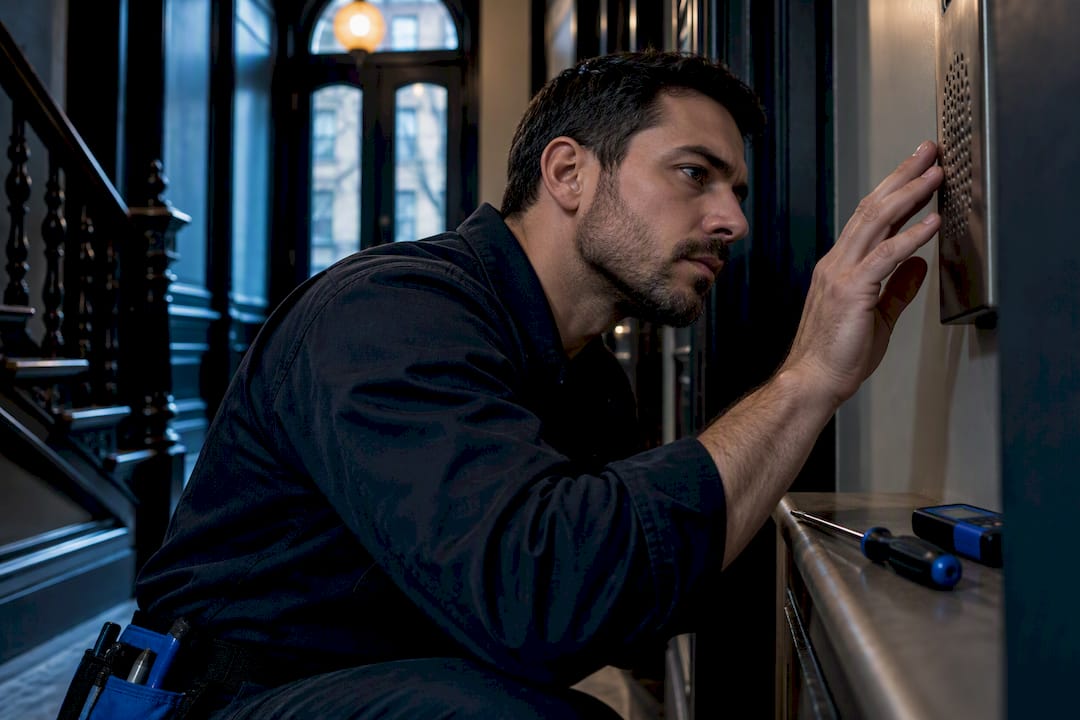
How CCTV supports employee safety in offices
CCTV systems serve as one of the most direct tools an office can deploy to protect employees, deter incidents, and document what actually happens on the premises. When placed correctly, cameras monitor common areas, entry points, and workspaces in real time, giving managers the visibility they need to respond quickly to safety breaches or emergencies. The role of CCTV in employee safety offices extends well beyond simple recording. It actively shapes behavior, supports compliance, and creates an evidentiary record that protects both staff and the organization.
The core functions of a well-designed office CCTV system include:
- Continuous monitoring of workspaces, corridors, and access points to detect unsafe conditions or unauthorized activity
- Deterrence of theft, workplace violence, and policy violations through visible camera presence
- Emergency response support by giving security personnel real-time visual access during incidents
- Incident documentation that provides reliable footage for internal investigations, insurance claims, or legal proceedings
- Integration with access control systems and alarm panels to create a layered, coordinated security posture
How CCTV improves safety compliance and workplace security
Surveillance cameras do more than record. They create accountability, and that accountability changes how people behave in shared spaces. Employees who know cameras are present tend to follow safety protocols more consistently, whether that means wearing required protective equipment in industrial office settings or adhering to visitor management procedures at reception desks.
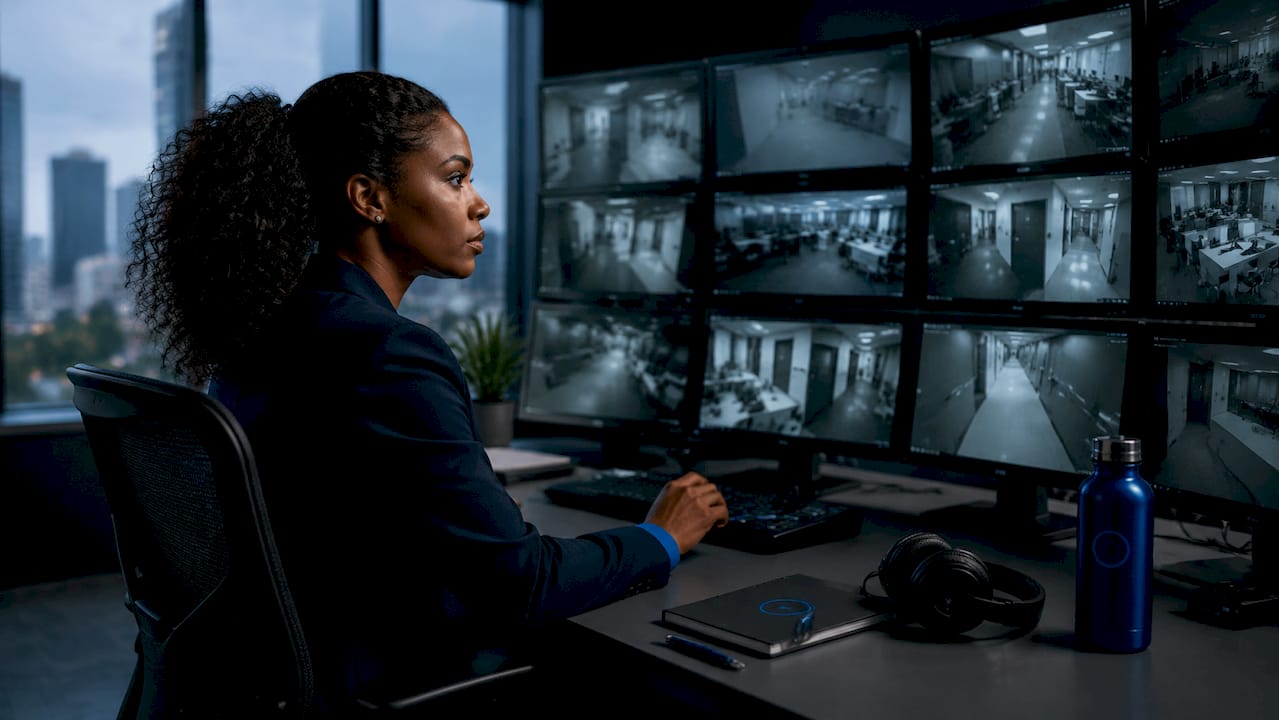
From a compliance standpoint, CCTV gives managers documented proof that safety procedures are being followed, or flagged when they are not. NIOSH emphasizes CCTV as a tool for data-driven occupational safety improvements, particularly for identifying trends in near misses and hazards before they escalate into recordable incidents. That proactive function is one most office managers overlook entirely.
Emergency response is another area where cameras deliver concrete value. When an incident occurs, security personnel can pull up live feeds immediately rather than relying on secondhand accounts. That speed can determine how quickly medical or law enforcement assistance is directed to the right location. For NYC offices managing multiple floors or large open-plan environments, that real-time visibility is especially practical.
Pro Tip: Position cameras at stairwell exits and elevator lobbies, not just main entrances. These secondary access points are where unauthorized individuals most often enter undetected in multi-floor office buildings.
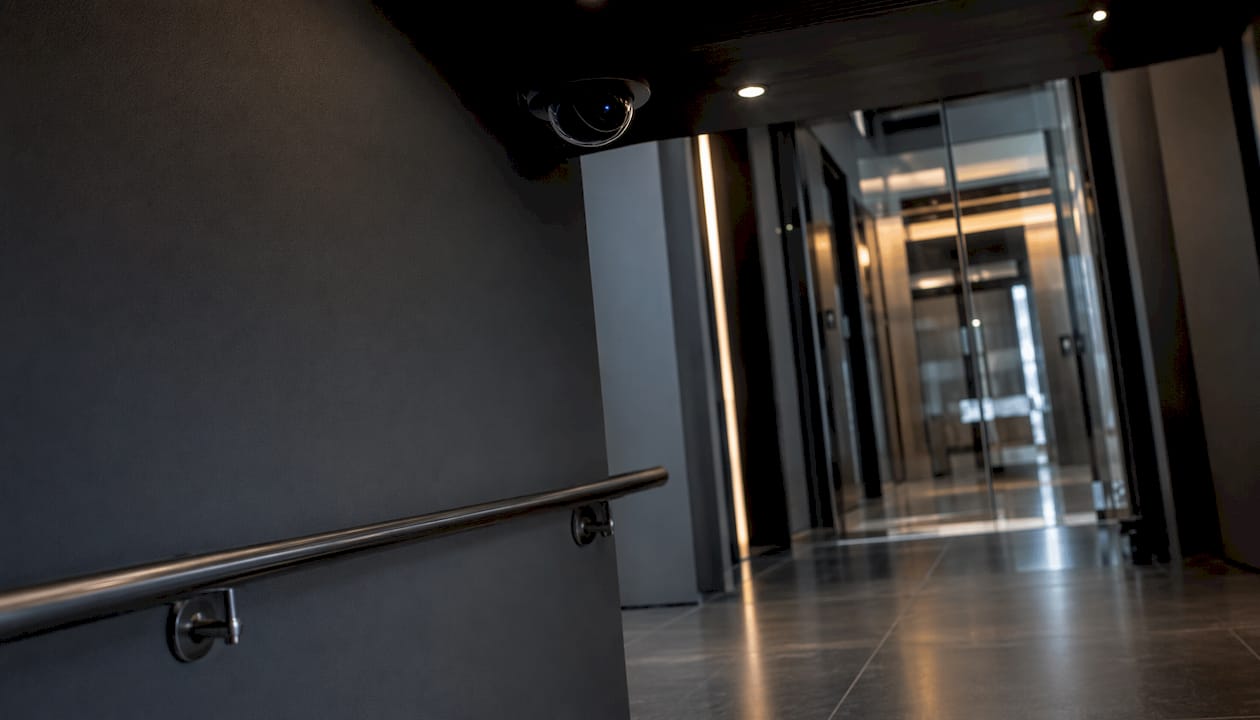
CCTV also supports regulatory compliance with OSHA recordkeeping requirements by providing visual corroboration for incident reports. When a workplace injury occurs, footage can confirm the sequence of events, which protects the employer during any subsequent investigation.
What are the legal and ethical limits of office CCTV use?
Legal compliance is where many office CCTV deployments go wrong, and the consequences can be significant. Federal law and New York Labor Law § 203-c explicitly prohibit video recording in private areas such as restrooms, locker rooms, and nursing rooms without a court order. Placing a camera in any of these locations, even unintentionally, exposes an employer to serious liability.
Notice requirements add another layer of obligation. Connecticut, Delaware, and New York all require employers to provide written notice to employees before video surveillance begins. Skipping that step does not just create legal risk; it also damages trust with staff in ways that are difficult to repair.
The National Labor Relations Act introduces a separate set of constraints. Under Section 7 of the NLRA, employees have protected rights to engage in concerted activities, and the NLRB evaluates employer recording restrictions on a case-by-case basis. Surveillance policies that appear to chill union organizing or protected group discussions can constitute an unfair labor practice, regardless of whether any footage was ever reviewed.
Audio recording carries even higher legal risk. Federal and state wiretap laws apply to audio capture, and many states require all-party consent. Video-only systems avoid the bulk of this exposure and are the standard recommendation for most office environments.
Employers must also respect the reasonable expectation of privacy standard. Courts consider the presence of clear signage and signed employee notices when assessing whether a privacy violation occurred. The best defense against a privacy claim combines posted signage with documented employee acknowledgments, reducing any argument that surveillance was covert or unexpected.
Best practices for installing and managing office CCTV systems
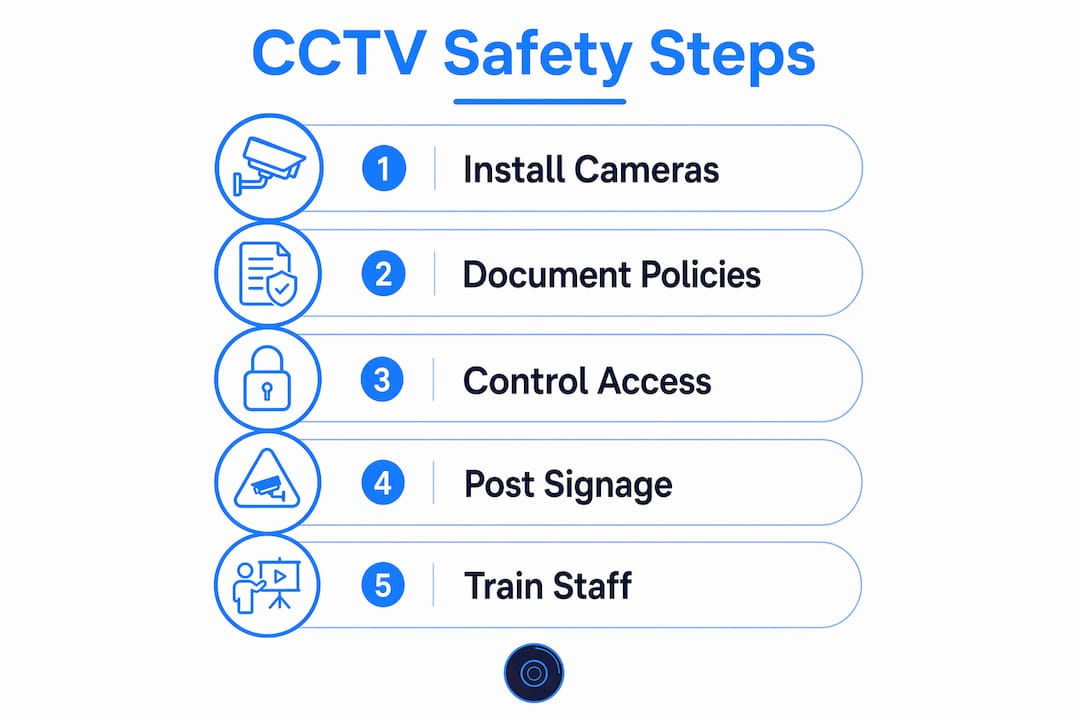
Effective CCTV implementation starts before a single camera is mounted. Every location requires a documented, legitimate business reason, and that documentation should be part of a written surveillance policy that employees sign before cameras go live. This is not a formality. Written policies and signed acknowledgments are among the most effective legal protections an employer can maintain.
Camera placement should be deliberate and moderate. Focus on entry and exit points, server rooms, cash handling areas, and shared workspaces. Avoid any area where employees have a reasonable expectation of privacy, including break rooms with changing facilities or private offices used for medical discussions.
Footage access must be tightly controlled. Allowing unrestricted access to recordings, even among management, is a common source of employer liability. Only designated, authorized personnel should be permitted to view, export, or share footage, and that access should be logged.
Signage is non-negotiable. Clearly posted notices at all camera locations reduce the reasonable privacy expectation of anyone entering the space and satisfy notice requirements in states like New York. Pair signage with a written policy that specifies what is recorded, where cameras are located, and how footage is stored and retained.
Employee training on CCTV policies reduces misunderstandings and builds the kind of transparency that supports trust rather than resentment. Staff should know the purpose of each camera, not just that cameras exist.
YDA Security Systems NYC on CCTV and office safety in New York
At YDA Security Systems NYC, we work with office managers and property owners across Manhattan, Brooklyn, Queens, and Staten Island to design CCTV systems that meet both their security objectives and New York’s specific legal requirements. The most common mistake we see is treating camera placement as an afterthought, positioning units for coverage without first establishing the documented business justification that New York law and NLRA compliance require.
NYC offices present unique challenges: high-density floor plans, shared building infrastructure, and multi-tenant environments where camera placement must account for both tenant privacy and common-area security. Our commercial security camera installations address these variables directly, with licensed technicians who understand low-voltage wiring requirements and building code considerations specific to New York City.
We consistently recommend integrating CCTV with access control systems and alarm panels rather than operating cameras as a standalone solution. That integration allows footage to be automatically triggered by access events, creating a correlated record that is far more useful during an investigation than passive continuous recording. For footage retention, most NYC office environments benefit from a 30-day minimum retention window, with restricted access protocols that limit viewing to HR and designated security personnel.
Avoiding common pitfalls matters as much as getting the installation right. Businesses that skip policy documentation, fail to post signage, or allow broad footage access are the ones that face litigation. We cover the most frequent errors in detail in our guide on security camera mistakes businesses make, which is worth reviewing before any new system goes live.
If you are ready to build a compliant, effective CCTV system for your NYC office, contact YDA Security Systems NYC. We offer a security camera installation service backed by a 1-year warranty and over 5,000 satisfied clients across the city.
Key Takeaways
CCTV systems protect employees most effectively when installation, policy documentation, and footage access controls are all treated as equally important as camera placement itself.
| Point | Details |
|---|---|
| Legal placement boundaries | New York Labor Law § 203-c bans cameras in restrooms, locker rooms, and nursing rooms without a court order. |
| Written notice required | New York, Connecticut, and Delaware require employers to provide written notice before surveillance begins. |
| Audio recording is high risk | Federal and state wiretap laws make audio capture legally complex; video-only systems avoid most exposure. |
| Footage access must be restricted | Only authorized personnel should view or export recordings; unrestricted access is a common source of employer liability. |
| NLRA compliance is mandatory | Surveillance policies that appear to chill protected concerted activity can constitute an unfair labor practice under Section 7. |
FAQ
Can employers use CCTV to monitor employees at work?
Yes, employers can use CCTV in common work areas, but cameras are prohibited in private spaces such as restrooms and locker rooms under laws like New York Labor Law § 203-c. Written notice to employees is also required in New York, Connecticut, and Delaware before surveillance begins.
Does CCTV actually keep employees and customers safer?
CCTV deters theft and workplace violence through visible presence and supports faster emergency response by giving security personnel real-time visual access. NIOSH also recognizes surveillance data as a tool for identifying injury trends and near misses before they become recordable incidents.
Can a manager watch employees on camera throughout the entire workday?
Continuous monitoring of common workspaces is generally lawful, provided cameras are not placed in private areas and employees have received written notice of the surveillance policy. However, surveillance that targets or appears to chill protected union or concerted activity may violate the NLRA.
Who should have access to CCTV footage in an office?
Access should be limited to designated, authorized personnel such as HR managers or a named security officer. Courts assess who viewed footage when evaluating the severity of a privacy violation, so unrestricted or peer-level access significantly increases employer liability.