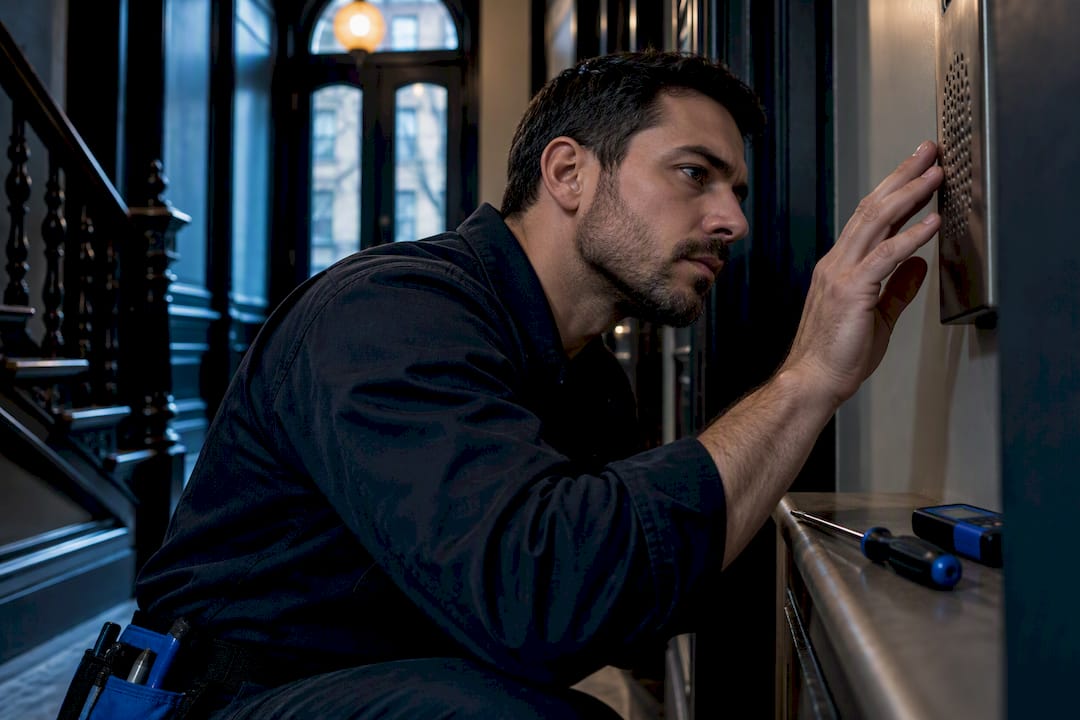
Welcome to a practical guide on security camera mistakes businesses make and how those mistakes quietly expose your people, property, and profits. Many businesses install cameras expecting instant protection, yet poor planning, weak equipment, and missed details leave gaps that criminals notice fast. You see this often in busy areas where commercial security camera NYC setups face higher risk and higher expectations. This guide breaks down real business CCTV mistakes, why they happen, and what you can do to avoid wasting money on systems that fail when you need them most.
Security camera mistakes businesses make include poor camera placement, low video quality, lack of maintenance, weak storage plans, and ignoring real security risks. These business CCTV mistakes reduce visibility, limit usable footage, and weaken protection, especially in high-traffic areas like commercial properties in NYC.
Why Cameras Matter for Businesses
Security cameras are no longer optional for modern businesses. They play a direct role in protecting property, people, and operations. When installed and managed correctly, business CCTV systems reduce risk, provide accountability, and support smarter decision-making. This is especially true in high-traffic environments where security issues are more frequent and more costly.
Protecting Assets and Reducing Loss
One of the clearest reasons cameras matter is asset protection. Theft, vandalism, and unauthorized access can cause losses that go far beyond stolen items.
- Theft prevention: Visible cameras discourage internal and external theft by increasing the perceived risk of being identified.
- Property protection: Cameras monitor vulnerable areas such as entrances, stockrooms, loading docks, and parking areas.
- Operational oversight: Footage helps owners spot unsafe behavior, process gaps, or after-hours access issues.
This is a core part of understanding business CCTV importance. Cameras act as both a deterrent and a safety net when incidents occur.
Deterring Crime Before It Happens
Cameras do more than record events. They change behavior.
- Crime deterrence: People are less likely to commit crimes when they know they are being recorded.
- Reduced repeat incidents: Businesses with cameras often see fewer repeat problems once surveillance is in place.
- Clear boundaries: Cameras signal that a business takes security seriously, which can shift criminal activity elsewhere.
These commercial security camera benefits are especially valuable for retail stores, offices, and warehouses that operate long hours or handle valuable inventory.
Supporting Employee Safety and Accountability
Security is not just about protecting property. It is also about protecting people.
- Staff safety: Cameras help monitor entrances, exits, and shared spaces where conflicts or accidents may occur.
- Incident review: Footage provides clarity during disputes, accidents, or customer complaints.
- Workplace accountability: Cameras encourage professional behavior and help resolve misunderstandings fairly.
Employees often feel safer knowing there is a system in place that can document what actually happened.
Helping With Investigations and Insurance Claims
When an incident occurs, clear footage can save time, money, and stress.
- Faster investigations: Video evidence helps identify suspects, timelines, and actions without relying on memory alone.
- Insurance support: Insurers often request footage to validate claims related to theft, damage, or liability.
- Legal protection: Accurate records can protect a business from false claims or disputes.
Without reliable footage, businesses may struggle to prove what occurred, which can delay or reduce insurance payouts.
Addressing Security Needs in Busy Cities Like NYC
In dense urban areas, security risks increase due to foot traffic, shared buildings, and constant activity.
- High-traffic exposure: Businesses in NYC face higher risks of theft, vandalism, and unauthorized access.
- Complex environments: Multiple entrances, shared spaces, and street-level access require careful camera planning.
- Higher expectations: Commercial security camera NYC systems must deliver clear footage day and night to be effective.
In these environments, cameras are not just helpful. They are critical infrastructure for daily operations and long-term protection.
Common Security Camera Mistakes Businesses Make
Many security failures do not come from crime itself but from preventable setup and planning errors. These security camera mistakes businesses make often stay hidden until an incident happens and footage is missing, unclear, or useless. Understanding where business CCTV mistakes usually occur helps you fix weak points before they turn into real losses.
Wrong Camera Placement
Camera placement is one of the most common and costly mistakes. Even high-end systems fail when cameras sit in the wrong position.
Walls Too High or Too Low
Mounting cameras too high or too low reduces their effectiveness.
- Too high placement: Faces become hard to identify, and cameras capture only the tops of heads or wide, unfocused areas.
- Too low placement: Cameras become easy targets for tampering, vandalism, or accidental damage.
The ideal height usually allows clear facial capture while keeping the camera out of reach.
Blind Spots in Entrances or Corners
Blind spots create opportunities for theft and misconduct.
- Missed entry angles: Cameras pointed straight instead of angled miss side movements.
- Corner gaps: Shelving, signage, or walls block views when placement is not tested in real conditions.
These blind spots are among the most overlooked business CCTV mistakes during installation.
Overlooking Loading Docks or Back Doors
Businesses often focus on customer-facing areas and forget service zones.
- Back entrances: These areas see less foot traffic but higher risk.
- Loading docks: Theft often happens during deliveries or after hours.
Ignoring these zones weakens overall coverage and invites problems.
Example From a Retail Shop Floor in NYC
A small retailer in NYC installed cameras above the ceiling line to cover more space. When a theft occurred, footage showed movement but no faces. Repositioning cameras lower and angling them toward checkout lanes solved the issue and provided usable evidence. This is a common example of security camera mistakes businesses make in dense urban environments.
Poor Camera Quality
Camera quality directly affects whether footage can be used after an incident. Many businesses underestimate this during purchase.
Buying Cheap Cameras With Low Resolution
Low-cost cameras often fail when clarity matters.
- Low resolution limits: Faces and license plates blur during motion.
- Compression issues: Details disappear when footage is zoomed.
These problems surface when footage is needed most.
Issues in Low Light or Bad Weather
Security incidents often happen at night or during poor conditions.
- Weak night vision: Cameras without infrared or proper sensors struggle after dark.
- Weather exposure: Rain, snow, or fog reduce visibility for poorly rated cameras.
This is a major concern for commercial security camera NYC installations exposed to varying weather.
Example of Grainy Footage in a Night Theft Case
A warehouse relied on entry-level cameras. During a nighttime break-in, footage showed movement but no identifiable details. Upgrading to high-resolution business CCTV cameras with strong low-light performance resolved the issue.
What Quality Specs to Aim For
Choosing the right specs prevents future regret.
- Resolution standard: At least 1080p, with 4K for large or high-risk areas.
- Low-light capability: Infrared or color night vision rated for real conditions.
- Durability rating: Weather and impact ratings for outdoor use.
Ignoring Camera Coverage Goals
Installing cameras without a clear plan leads to uneven protection and wasted resources.
Not Planning Coverage Zones
Many systems grow without structure.
- Random placement: Cameras added without considering overlap or gaps.
- Redundant views: Multiple cameras watching the same low-risk area.
This weakens overall security camera coverage.
Not Matching Coverage to Risk Areas
All areas do not carry the same risk.
- High-risk zones: Cash handling areas, entrances, storage rooms.
- Lower-risk zones: Offices or staff-only areas during business hours.
Business CCTV planning should prioritize risk, not convenience.
A Simple Coverage Planning Method
A basic approach keeps planning focused.
- Step one: List all entry points and asset areas.
- Step two: Rank them by risk level.
- Step three: Assign camera types and angles based on risk.
This method helps avoid uneven coverage and missed vulnerabilities.
Not Maintaining Systems
Even well-installed systems fail without regular upkeep.
Dust, Misalignment, and Outdated Firmware
Small issues add up over time.
- Dirty lenses: Reduce clarity without obvious warning.
- Shifted angles: Cameras move due to vibration or weather.
- Old firmware: Security gaps and performance issues appear.
Security camera maintenance is often ignored until failure occurs.
Failed Recording and Backup Issues
Recording failures often go unnoticed.
- Disconnected recorders: Systems stop saving footage silently.
- Corrupt drives: Storage devices fail without alerts.
These issues turn cameras into false security.
Seasonal Checks and Software Updates
Regular checks prevent surprises.
- Seasonal inspections: Adjust for lighting and weather changes.
- Update schedules: Keep firmware and software current.
Consistent business CCTV upkeep keeps systems reliable year-round.
Weak Storage and Backup Plans
Footage is only useful if it exists when needed.
Overwriting Old Footage Too Soon
Limited storage causes data loss.
- Short retention periods: Footage deletes before incidents are discovered.
- High overwrite rates: Busy locations lose footage faster.
This is a frequent security camera storage mistake.
No Offsite Backup
Onsite storage alone carries risk.
- Theft or damage: Recorders are stolen or destroyed.
- Single point of failure: One issue wipes all footage.
Without backups, recovery becomes impossible.
Benefits of Cloud vs Local Storage
Each option has strengths.
- Cloud storage: Remote access, automatic backups, protection from physical damage.
- Local storage: Faster access, no monthly fees, more control.
Many businesses use hybrid CCTV backup solutions to balance cost and security.
Fixing these common security camera mistakes businesses make requires planning, proper equipment, and consistent attention. When systems match real risks and receive regular care, they shift from passive tools into reliable protection.
How to Choose the Right System
Choosing the right security camera system starts with understanding what your business actually needs, not what a salesperson pushes. Many security camera mistakes businesses make come from buying systems that look good on paper but fail in real conditions. A smart approach focuses on your space, your risks, and how the system will be used day to day. This section acts as a practical guide for choosing business CCTV that fits your operation and avoids common setup errors.
Define Your Security Needs Clearly
Before looking at brands or prices, you need clarity on what you are protecting and why. This step shapes every other decision you make.
- Camera Count: Count entry points, high value areas, and blind spots rather than guessing. A small retail store may need six well placed cameras, while a warehouse may need twenty or more.
- Indoor vs Outdoor Use: Indoor cameras focus on clarity and angles, while outdoor cameras must handle weather, low light, and vandal resistance.
- Coverage Purpose: Decide whether cameras are for deterrence, monitoring staff activity, capturing incidents, or all three. Each purpose affects lens type, resolution, and placement.
When businesses skip this step, they often end up with cameras pointed at low risk areas while missing the places where incidents actually happen.
Match the System to Your Business Type
Not all businesses face the same risks. Choosing business CCTV works best when the system matches how the space operates.
- Storefronts: Retail spaces benefit from cameras at entrances, checkout counters, and high theft product zones to reduce shoplifting and disputes.
- Warehouses: Large facilities need wide angle coverage, strong night performance, and cameras focused on loading docks and inventory aisles.
- Offices: Offices prioritize entry control, common areas, and parking coverage while respecting employee privacy.
A system designed for a storefront will not perform well in a warehouse. Matching the system to your business type prevents wasted equipment and poor footage.
Consider Storage and Access Requirements
Footage is only useful if you can access it when needed. Many business CCTV mistakes involve storage that runs out too fast or systems that are hard to review.
- Retention Time: Decide how long footage must be stored based on risk level and insurance needs. High traffic businesses often need longer retention.
- Remote Access: Ensure managers can review footage securely from mobile devices or offsite locations.
- Backup Options: Cloud or hybrid storage protects footage if hardware fails or is damaged.
Reliable storage planning reduces stress during incidents and improves response times.
Work With Local Vendors When Possible
Local experience matters, especially in dense urban areas. A commercial security camera NYC guide should always consider local conditions.
- Building Layouts: NYC buildings often have unique layouts, older wiring, and shared spaces that require custom solutions.
- Regulatory Awareness: Local vendors understand signage, privacy expectations, and compliance requirements.
- Service Availability: Faster on site support reduces downtime when cameras fail or need adjustment.
Working with vendors familiar with commercial security camera NYC environments helps businesses avoid installation errors and compliance issues that out of town providers often miss.
Balance Budget With Long Term Value
Price matters, but cost cutting often leads to poor results. The goal is value, not the lowest upfront number.
- Video Quality: Clear footage saves time and money during investigations.
- System Scalability: Choose systems that allow adding cameras later without replacing everything.
- Maintenance Support: Ongoing support reduces system failure and protects your investment.
Businesses that focus only on initial cost often pay more later through replacements, missed incidents, or unusable footage.
Best Practices To Avoid Mistakes
Avoiding security camera problems is less about buying more equipment and more about using what you have correctly. Businesses that follow proven business CCTV best practices focus on planning, consistency, and people, not just hardware. The tips below come from real-world commercial installations and ongoing system audits where small changes made a big difference.
Map Your Risk Points Before Installing Cameras
Every business has different risk areas. A one-size setup rarely works.
- High-Traffic Entrances: Front doors, customer entrances, and employee access points should always be visible since most incidents start or end there.
- Secondary Access Areas: Back doors, loading docks, and side alleys are common targets because they receive less attention.
- Asset Locations: Cash registers, safes, inventory rooms, and equipment storage areas need direct coverage, not angled guesses.
A simple walk-through during business hours and after closing helps you spot areas that feel exposed.
Test Footage Regularly, Not Just the Live Feed
Many businesses assume cameras work because they can see a live image. That assumption causes problems later.
- Playback Checks: Review recorded footage weekly to confirm video clarity, frame rate, and audio if enabled.
- Incident Simulations: Walk through monitored areas and review footage to confirm faces, actions, and details are visible.
- System Alerts: Confirm motion alerts and notifications trigger correctly and reach the right staff members.
Testing prevents the surprise of unusable footage after an incident.
Use Quality Cameras for Night and Weather Conditions
Low light and bad weather expose weak systems fast. This is one of the most common security camera setup tips ignored during installation.
- Low-Light Performance: Choose cameras with strong night vision and real-world low-light testing, not just specs on paper.
- Weather Ratings: Outdoor cameras should be rated for rain, snow, heat, and cold based on your local climate.
- Lens Selection: Wider lenses help with coverage, but tighter lenses improve detail in critical zones like entrances.
A camera that works perfectly at noon but fails at night is not protecting your business.
Log Maintenance Dates and System Changes
Security systems fail quietly when no one tracks their condition.
- Maintenance Schedule: Record cleaning dates, firmware updates, and camera adjustments in a shared log.
- Change Tracking: Note when cameras are moved, replaced, or disabled, even temporarily.
- Issue History: Document recurring issues like dropped signals or blurry footage to identify patterns.
This practice builds accountability and reduces downtime.
Train Staff on Alerts and Monitoring Responsibilities
Even the best cameras fail if no one responds correctly.
- Alert Awareness: Staff should know what alerts look like and when to escalate them.
- Clear Roles: Assign who monitors footage during business hours and who reviews incidents after hours.
- Basic Troubleshooting: Teach staff how to recognize offline cameras and report issues quickly.
Training turns your system into an active security tool, not just a passive recorder.
Review and Adjust Your Setup Over Time
Business needs change, and your camera system should follow.
- Layout Changes: Renovations, new shelving, or furniture can block views and create blind spots.
- Operational Shifts: Extended hours or new workflows may require updated coverage.
- Annual Audits: A yearly review helps ensure your system still matches your risk profile.
By following these security camera setup tips, businesses reduce blind spots, improve response times, and get real value from their systems. Consistent attention, not expensive upgrades, is what keeps cameras effective.
Legal And Privacy Notes For Businesses
Security cameras protect your business, but they also come with legal and privacy responsibilities. Many business CCTV mistakes happen when owners focus only on security and overlook compliance. Understanding the basics of business CCTV legal requirements helps you avoid fines, disputes, and loss of trust, especially in regulated areas like New York City.
Understanding Public Vs Private Spaces
Where you place cameras matters just as much as why you install them. The law treats public and private areas very differently.
- Public-Facing Areas: You can generally record areas where people expect to be seen, such as storefronts, entrances, parking lots, and sales floors.
- Private Areas: Recording places like restrooms, locker rooms, or private offices used for changing is not allowed and can lead to serious legal consequences.
- Expectation of Privacy: Even inside your business, cameras should not capture areas where employees or visitors reasonably expect privacy.
A good rule is simple. If recording the space would feel invasive to a reasonable person, it likely crosses a legal line.
Signage And Disclosure Requirements
Transparency plays a big role in business CCTV legal compliance. Many regions require businesses to notify people when surveillance is in use.
- Clear Signage: Signs should be visible at entrances and inform customers and employees that video recording is active.
- Plain Language: Avoid vague wording. A simple notice that cameras are used for security purposes is usually enough.
- Employee Awareness: Staff should know where cameras are located and why they are used to prevent misunderstandings.
Clear disclosure reduces complaints and builds trust while keeping your business aligned with common security camera rules.
Audio Recording And Consent Rules
Video laws and audio laws are not the same. This is where many businesses make costly mistakes.
- Video Recording: Most business environments allow video recording in public-facing areas.
- Audio Recording: Recording sound often requires consent and is more strictly regulated.
- Best Practice: Disable audio recording unless you have confirmed it is legally permitted for your situation.
In NYC and many other locations, audio recording without proper consent can create legal exposure even if video recording is allowed.
NYC Security Camera Rules For Businesses
Businesses operating in New York City face additional scrutiny due to dense populations and privacy concerns. While rules can change, there are common principles most NYC security camera rules follow.
- No Recording Of Private Areas: This includes bathrooms, changing rooms, and any area designated for personal use.
- Purpose Limitation: Cameras should be used for security and safety, not employee micromanagement or personal monitoring.
- Data Protection: Recorded footage should be stored securely and accessed only by authorized personnel.
If your business operates in NYC, reviewing local guidance or consulting a professional helps ensure your setup meets current expectations.
Handling Footage Storage And Access
Legal compliance does not stop once cameras are installed. How you store and manage footage also matters.
- Limited Access: Only trusted individuals should access recordings.
- Retention Policies: Keep footage only as long as necessary for security or legal needs.
- Secure Storage: Protect recordings from unauthorized viewing or data breaches.
Poor storage practices can turn a helpful security system into a liability.
Why Legal Awareness Protects Your Business
Ignoring privacy and legal basics is one of the fastest ways to turn security cameras into a risk instead of protection. Following business CCTV legal guidelines helps you avoid disputes, protect your reputation, and maintain trust with customers and employees.
If you are unsure about your obligations, treating cameras as a safety tool rather than a surveillance weapon is a strong starting point. For NYC businesses in particular, staying informed about security camera rules keeps your protection strong and your risk low.
If you want a security camera system that actually protects your business, now is the time to act. Visit our website to see how the right planning, placement, and equipment can eliminate costly mistakes and give you clear, reliable footage when it matters. Your business deserves security that works every day, not just on paper.
FAQs: About Security Camera Mistakes Businesses
- What are the most common security camera mistakes businesses make?
Businesses often place cameras poorly, choose low-quality equipment, skip maintenance, and fail to plan proper coverage and storage. - Why is camera placement so important for business security?
Poor placement creates blind spots. Thieves target entrances, exits, and low-visibility areas that cameras fail to cover. - How does low camera quality affect security footage?
Low resolution and weak night vision lead to blurry footage that cannot identify faces or incidents clearly. - Are business CCTV mistakes more common in busy cities like NYC?
Yes. High foot traffic and dense buildings make planning commercial security camera NYC systems more complex and easier to get wrong. - How often should businesses maintain their security cameras?
You should check cameras monthly to clean lenses, confirm angles, test recording, and update software. - What storage mistakes do businesses make with CCTV footage?
Many systems overwrite footage too quickly or lack backups, leaving no evidence when incidents surface later. - Do businesses need different cameras for indoor and outdoor use?
Yes. Outdoor cameras need weather resistance and strong night performance, while indoor cameras focus on clarity and angles. - Can cheap security cameras still protect a business?
Cheap cameras often fail under low light or motion, which reduces their real-world value during incidents. - Are there legal concerns when installing business CCTV cameras?
Yes. Businesses must respect privacy laws and avoid recording private areas while informing people about surveillance when required. - How can a business fix existing security camera mistakes?
Start with a security audit, adjust placement, upgrade weak cameras, improve storage, and create a regular maintenance routine.
Conclusion
Fixing security camera mistakes matters because weak placement, poor image quality, and neglected maintenance quietly undermine your entire security plan and leave your business exposed when incidents happen. A quick audit of your current setup can reveal blind spots, outdated equipment, or storage gaps that put your people, assets, and operations at risk, especially in busy commercial environments where threats move fast. Take time to review camera angles, test footage quality, confirm recordings are saved correctly, and make sure the system still matches how your business operates today. If you have questions or want to share challenges you have faced with business CCTV mistakes, leave a comment or reach out. Most issues are easier to fix than you think. Check your cameras today and make sure they are actually doing the job you expect them to do.