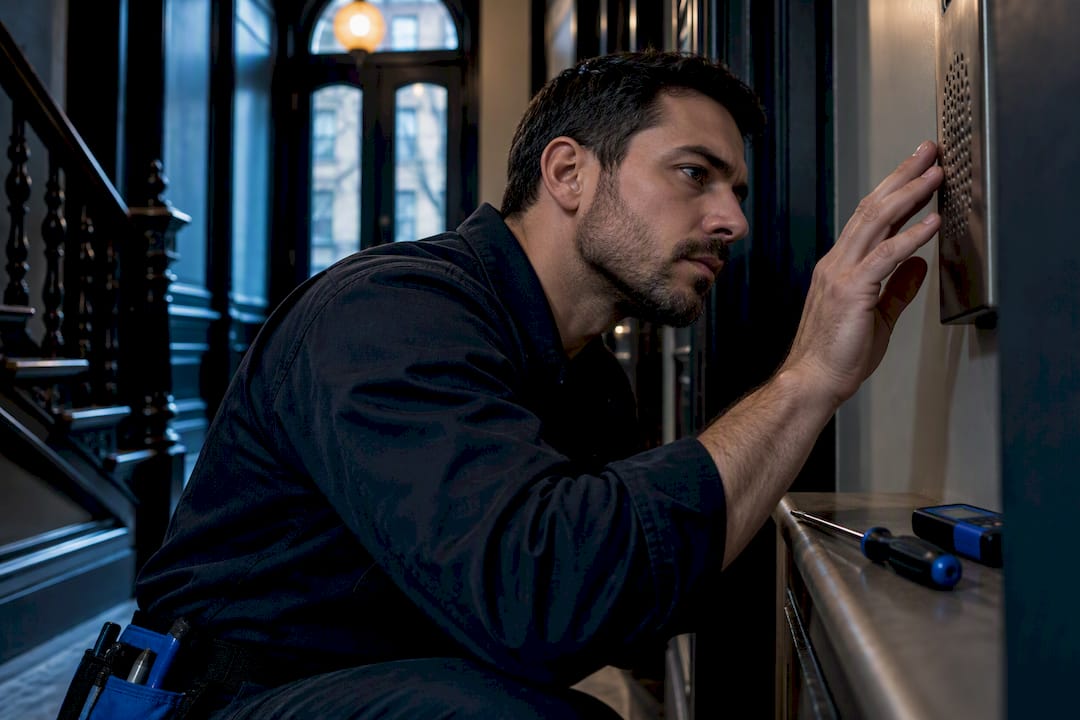
Home intercom systems are defined as two-way communication devices installed at entry points to screen visitors before granting access. 34% of burglaries occur through the front door, making it the single most vulnerable point in any residence. That statistic alone explains why home intercom systems improve security more directly than almost any other measure a homeowner can take. An intercom system for security shifts your defense from reactive to proactive. Rather than discovering a break-in after the fact, you control who enters before the door ever opens.
Why home intercom systems improve security at every entry point
The front door is not just a convenience. It is the primary target for unauthorized entry, and an intercom system addresses that vulnerability head-on. When a visitor approaches, you see and hear them before making any decision. That single capability changes the entire security dynamic of a home.
Nearly 60% of convicted burglars evaluate a property for visible security measures before attempting a break-in. More than 40% choose a different target when they spot cameras or intercoms. These numbers reveal something important: the presence of an intercom system does not just help you respond to threats. It prevents many threats from materializing at all.
Two-way communication is the core mechanism behind this deterrence. When a potential intruder rings a doorbell and hears a confident voice respond immediately, the psychological effect is significant. The visitor now knows someone is present, attentive, and watching. That uncertainty alone is enough to redirect most opportunistic criminals to an easier target.
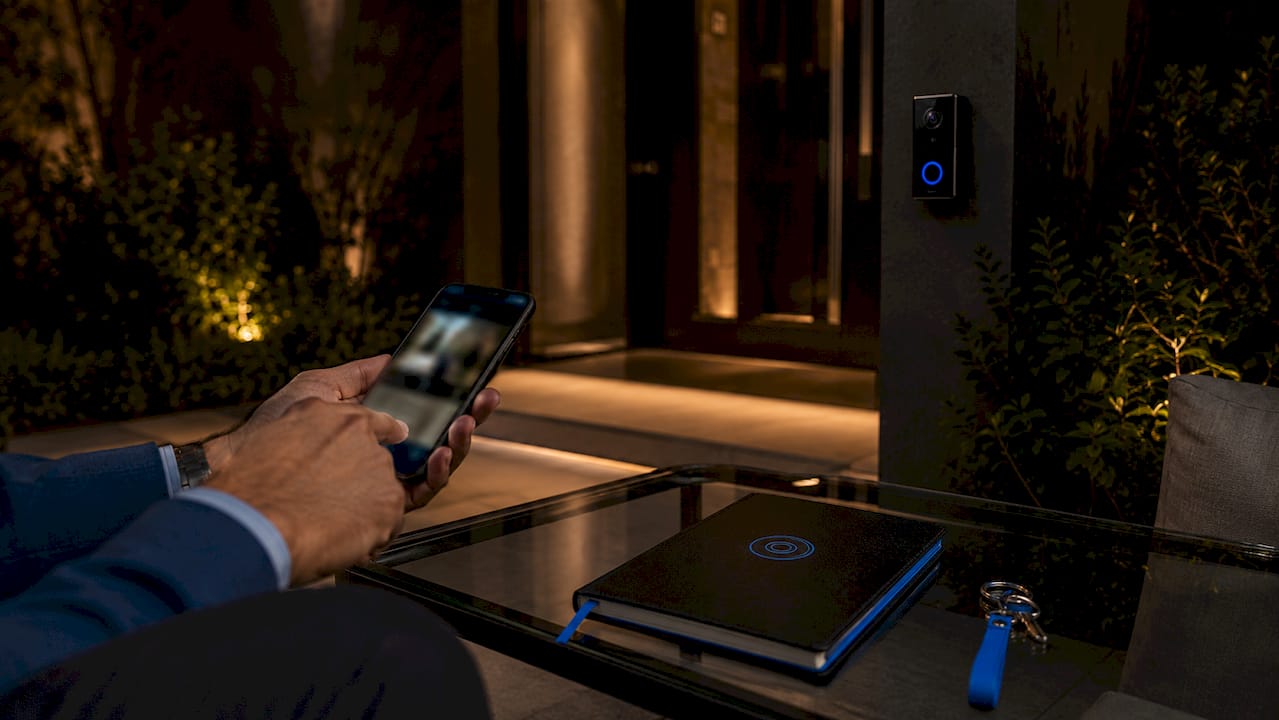
Pro Tip: Mount your outdoor intercom unit at eye level and in a well-lit area. Visibility is a deterrent in itself. A unit that is easy to see signals to anyone approaching that the property is actively monitored.
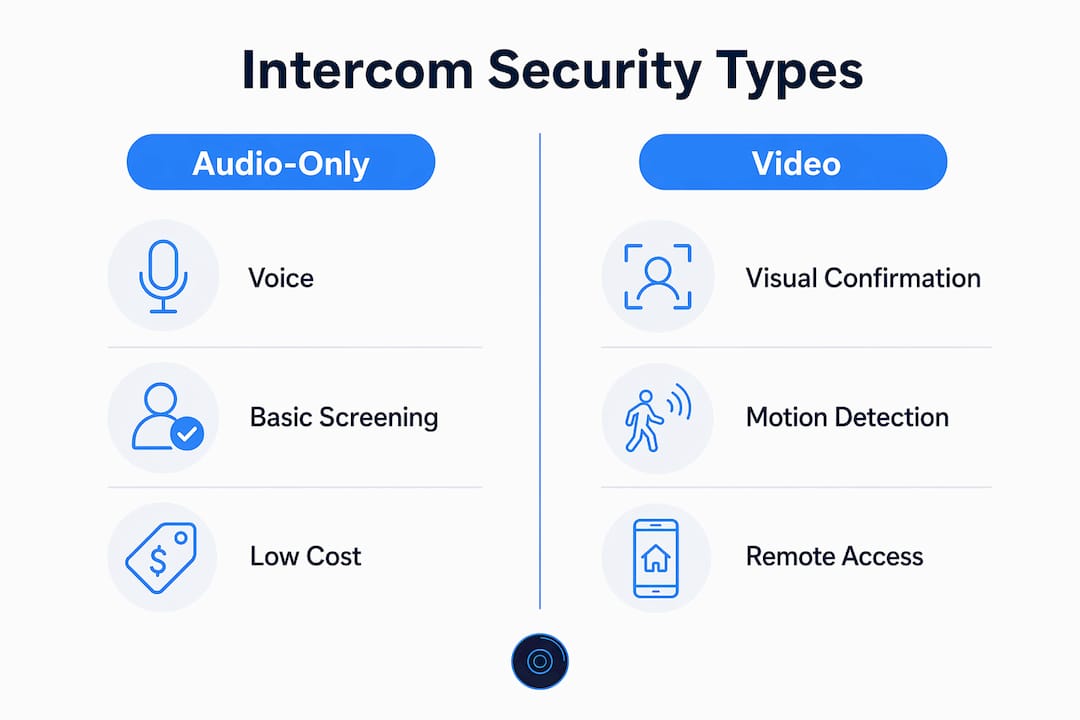
The security advantages of intercom systems extend beyond deterrence. Video intercoms capture footage of every visitor, creating a record that supports law enforcement investigations when incidents do occur. Audio-only systems provide communication without visual confirmation, which limits their value in identifying unknown visitors. Video-enabled units close that gap entirely.
How intercoms integrate with smart locks, alarms, and mobile apps
Modern intercom systems do not operate in isolation. They connect directly with smart locks, alarm panels, lighting systems, and mobile applications to create a unified access control environment. Intercom systems today integrate with smart locks, lighting, alarms, and mobile apps to provide remote unlocking, real-time monitoring, and instant alerts from anywhere.
This integration matters most when you are away from home. A delivery arrives, a contractor needs access, or an unfamiliar vehicle parks outside. With a connected intercom system, you receive a notification on your smartphone, view the live video feed, speak with the visitor, and unlock the door remotely if appropriate. All of this happens without you being physically present.
The technical foundation for this integration relies on open communication protocols. Intercoms supporting open protocols like SIP (Session Initiation Protocol) and ONVIF (Open Network Video Interface Forum) connect reliably to video management systems and emergency security products. Choosing a system built on these standards protects your investment as technology evolves.
Here is how a fully integrated intercom setup functions in practice:
-
A visitor approaches and activates the outdoor intercom unit.
-
The system sends an instant alert to your smartphone app with live video.
-
You speak with the visitor through two-way audio from your phone.
-
You grant access by remotely triggering the connected smart lock.
-
The alarm panel logs the entry event with a timestamp and video clip.
-
Motion-activated lighting turns on automatically to support the camera feed.
Approximately 30% of residents in surveyed regions already use video-enabled entry security to reduce package theft and unauthorized access. Adoption is growing as homeowners recognize that a standalone video doorbell cannot replicate this level of control. Standalone devices lack the integration capabilities that modern intercoms offer, which limits remote smart lock control and alarm coordination.
Pro Tip: When selecting a system, confirm that it supports SIP or ONVIF protocols. These open integration standards ensure your intercom can connect to future security upgrades without replacing the entire system.
What types of intercom systems offer the best security features?
Not all intercom systems deliver the same level of protection. The right choice depends on your property layout, existing security infrastructure, and how much remote access control you need.
| System type | Key security features | Best use case |
|---|---|---|
| Audio-only intercom | Two-way voice communication, visitor screening | Apartments, budget-conscious installations |
| Video intercom (analog) | Live video feed, visitor identification, recording | Single-family homes with existing wiring |
| Video intercom (IP/network) | HD video, remote access via app, smart lock integration | Modern homes, multi-entry properties |
| Video intercom with motion detection | Proactive alerts, night vision, full-duplex audio | High-security residential properties |
Audio-only systems provide basic visitor screening and are better than no intercom at all. They fall short when visual identification is needed, particularly for verifying delivery personnel or identifying unfamiliar visitors at night.
IP-based video intercoms represent the current standard for home safety with intercoms. They transmit high-definition video over your home network, support remote access through smartphone apps, and connect to smart home platforms. Night vision capability extends their effectiveness beyond daylight hours, which matters because many property crimes occur after dark.
Motion detection adds a proactive layer. Instead of waiting for a visitor to press a button, the system alerts you the moment someone approaches the entry point. That early warning gives you more time to assess the situation and respond appropriately.
Full-duplex audio intercoms allow both parties to speak and hear simultaneously, unlike half-duplex systems where only one side can transmit at a time. In a stressful security encounter, that difference is meaningful. Half-duplex communication creates gaps and confusion. Full-duplex keeps the conversation clear and controlled.
Best practices for maximizing home safety with intercoms
Installing an intercom system is the first step. Getting the most security value from it requires deliberate choices about placement, configuration, and how the system connects to your broader security setup.
The installation method matters significantly. Hardwired outdoor intercom units are preferred by security professionals over fully wireless systems because Wi-Fi latency and signal disruptions can compromise the system during critical moments. A hardwired unit at your front door will respond instantly every time, regardless of network congestion or router issues.
Strategic placement of indoor stations improves your response capability. A single indoor monitor near the front door is a starting point, but placing additional stations in the bedroom and kitchen means you can respond to a visitor from anywhere in the home without rushing to one location. That speed matters when you need to make a quick access decision.
Combining your intercom with exterior lighting creates a layered security effect. Motion-activated lights illuminate the camera’s field of view, improve video quality at night, and add another visible deterrent for anyone approaching the property. Physical security best practices consistently recommend layered measures at entry points rather than relying on any single device.
Avoid the common mistake of treating a standalone video doorbell as a full intercom solution. These devices provide notification and basic video, but they do not integrate with alarm systems or smart locks in the same way a dedicated intercom system does. The security gap between a doorbell camera and a properly installed intercom system is substantial.
Pro Tip: Pair your intercom with a timed exterior light on a separate circuit. If your network or power experiences an issue, the light continues to function as a passive deterrent while you address the technical problem.
The shift from passive security to interactive defense is the defining advantage of modern intercom systems. Homeowners who install these systems stop waiting for incidents to happen and start screening threats at the source.
Key Takeaways
Home intercom systems improve security by giving homeowners direct control over who enters their property, combining visitor screening, deterrence, and smart home integration into one system.
| Point | Details |
|---|---|
| Front door vulnerability | 34% of burglaries occur through the front door, making entry-point security the highest priority. |
| Deterrence through visibility | Over 40% of burglars avoid properties with visible security measures like intercoms and cameras. |
| Smart integration | IP intercoms connect with smart locks, alarms, and apps using open protocols like SIP and ONVIF. |
| Full-duplex audio | Full-duplex systems allow simultaneous two-way communication, reducing errors in security encounters. |
| Hardwired reliability | Hardwired outdoor units outperform wireless systems in response speed and uptime during critical moments. |
YDA Security Systems NYC: professional intercom installation for your home
Choosing the right intercom system is only part of the equation. Professional installation ensures the system performs exactly as designed, with correct placement, proper wiring, and full integration with your existing security setup.
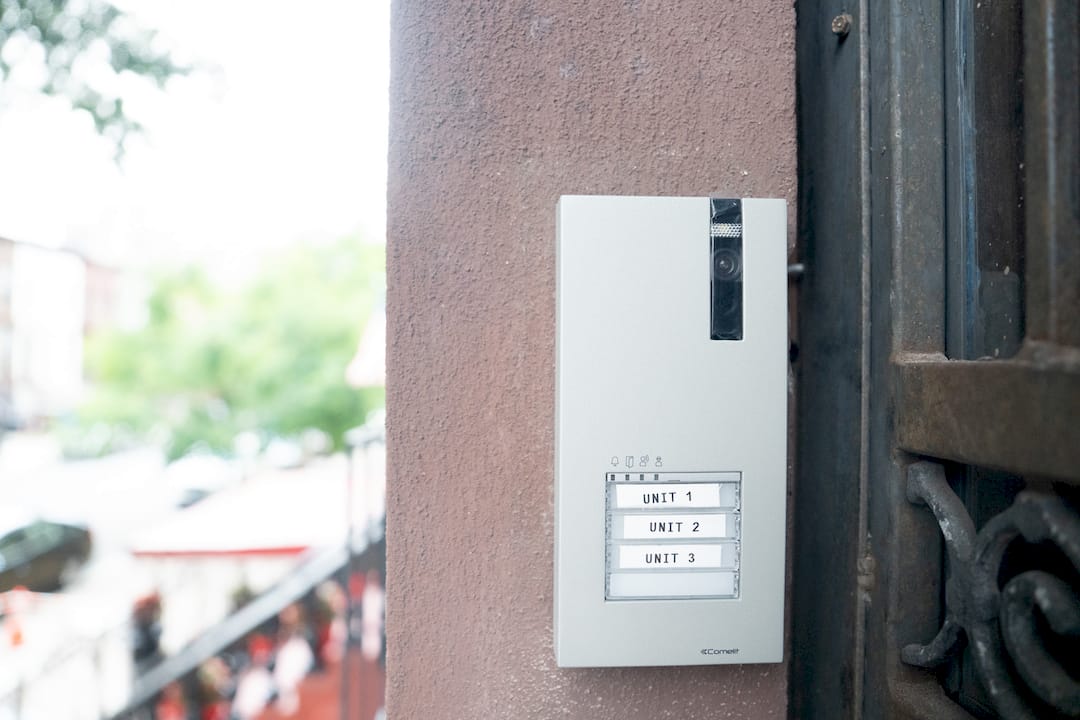
YDA Security Systems NYC has completed installations for over 5,000 satisfied clients across New York City, covering residential and commercial properties with equal expertise. Their licensed and insured technicians handle everything from single-entry video intercoms to multi-point IP systems connected to smart locks and alarm panels. Every installation comes with a 1-year warranty, and the team is known for fast response times when clients need support. If you are ready to upgrade your home security system with a professionally installed intercom, YDA Security Systems NYC delivers the reliability and technical knowledge your property deserves.
FAQ
Why do home intercom systems deter burglars?
Visible intercoms signal active monitoring, and over 40% of burglars avoid properties with visible security measures. The combination of a camera, two-way audio, and a visible unit at the entry point makes most opportunistic criminals choose a different target.
What is the difference between audio and video intercoms for security?
Audio intercoms allow voice communication with visitors but provide no visual confirmation of identity. Video intercoms add a live camera feed, which is critical for identifying unknown visitors and recording entry events for later review.
Do intercoms enhance security when you are away from home?
IP-based intercom systems connect to smartphone apps, allowing you to see, speak with, and grant or deny access to visitors remotely. This capability makes them effective for managing deliveries, contractors, and unexpected visitors regardless of your location.
Should I choose a hardwired or wireless intercom system?
Security professionals favor hardwired outdoor units because they avoid Wi-Fi latency and signal disruptions that can affect wireless systems at critical moments. For outdoor entry stations specifically, a wired connection provides more consistent performance.
What protocols should I look for in a home intercom system?
Look for systems that support SIP or ONVIF protocols. These open standards allow your intercom to integrate with video management systems, smart locks, and alarm panels, and they protect your investment as you add new security devices over time.