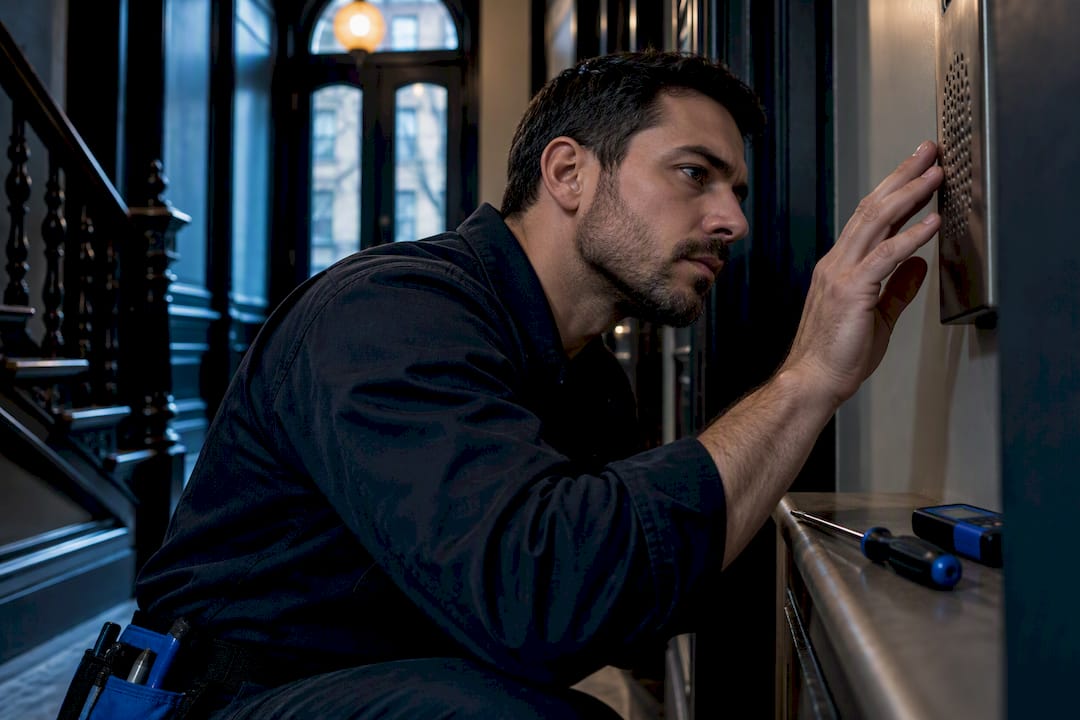
Welcome to a closer look at how video intercom systems change the way people manage access, security, and daily convenience. Many homes and buildings still rely on audio buzzers that force you to guess who is at the door. A video intercom removes that guesswork by letting you see and speak with visitors before granting access. This guide breaks down the real video intercom benefits, explains when an upgrade makes sense, and shows how modern systems fit into both residential and building environments.
Video intercom benefits include improved security, visual visitor verification, remote access through mobile devices, and greater convenience for residents and property managers. Unlike audio-only systems, video intercoms allow users to see who is requesting entry, reduce unauthorized access, manage deliveries remotely, and support modern building intercom upgrades for homes and multi-unit properties.
What Is a Video Intercom System
A video intercom system lets you see and talk to someone at your door or building entrance before you let them in. Think of it as a modern upgrade to the old buzzer. Instead of guessing who is outside based on audio alone, you get a live video view and two-way communication. Many systems also let you answer from your phone, which is why video intercom benefits often show up in security and convenience discussions for both homes and multi-unit buildings.
Core Components Of A Video Intercom System
A reliable setup usually includes four main parts. Each one plays a specific role in making the system secure and easy to use.
- Camera: Captures a live view of the person at the entrance, often with wide-angle coverage so you can see faces and packages near the door. Many cameras handle low light, which matters for nighttime deliveries and evening visitors.
- Screen Or Mobile App: Displays the video feed and gives you controls to speak, unlock the door, or ignore the call. In apartments, this might be an indoor monitor. In newer systems, it is often a mobile app that sends a push notification.
- Door Station: The outdoor unit at the entry point. It usually includes the camera, call button or directory, microphone, speaker, and sometimes an access method like a keypad, key fob reader, or QR code scanner.
- Network Connection: Connects the door station to the building and, if enabled, to the internet. This can run through wired ethernet, building wiring, or Wi-Fi, depending on the system and the property.
How A Video Intercom Works Step By Step
Most video intercom systems follow a simple flow. What changes is how the call reaches you and how the door unlocks, especially in buildings with multiple units.
- Step 1: Visitor Initiates Contact: A visitor presses a call button, selects a resident from a directory, or enters a unit number.
- Step 2: The System Sends A Call: The system rings an indoor monitor, a front desk station, a mobile app, or all of them, depending on your settings.
- Step 3: You Verify The Visitor: You see a live video feed and hear the visitor through two-way audio. This is the moment where video intercom benefits stand out because you can confirm identity instead of relying on voice alone.
- Step 4: You Decide What To Do: You can speak to the visitor, deny entry, or unlock the door remotely. In many setups, unlocking triggers an electric strike or magnetic lock for a set number of seconds.
- Step 5: The System Logs The Event: Many modern systems record call activity. Some store snapshots or short clips. This helps property managers resolve issues like missed deliveries or unauthorized entry attempts.
Audio Intercom Vs Video Intercom
People often ask if video is worth it when audio intercoms still work. In real buildings, the difference is not minor. It changes the way people make access decisions.
- Verification: Audio-only systems force you to trust a voice. Video adds a quick identity check, which helps reduce accidental access for strangers.
- Security Outcomes: Video can deter suspicious behavior because visitors know they are on camera. Audio does not create the same deterrent effect.
- Delivery Handling: With audio, you often end up letting someone in without knowing if they are holding a package, a clipboard, or nothing at all. With video, you can confirm the delivery person and direct them properly.
- User Experience: Video intercoms often come with better sound quality, clearer controls, and mobile access features that older audio systems usually lack.
If your building is considering a building intercom upgrade, this comparison matters because it ties directly to resident safety, staff workload, and how smoothly access works day to day.
Where Video Intercoms Are Commonly Used
Video intercom systems work in a wide range of properties. The right system depends on how many doors you need to control, how many users need access, and how much remote management you want.
Homes
Homeowners choose video intercoms for front-door visibility and control. The biggest wins usually come from answering the door from anywhere in the house or from a phone when you are away. It also helps with everyday moments like confirming a service visit, checking on a delivery, or avoiding opening the door to a stranger.
Apartments
Apartment buildings often use video intercoms to reduce unauthorized entry and improve the resident experience. Systems can support unit directories, mobile calling, and controlled access to shared entrances. In cities like New York, video intercom installation NYC projects often focus on replacing aging buzzer panels and adding smartphone access without making the lobby setup confusing for tenants.
Offices
Offices use video intercoms to control who enters reception areas, shared floors, or restricted spaces. They are useful for managing vendors, deliveries, and after-hours access. Many systems can integrate with access control tools so staff can manage visitors without leaving their desks.
Mixed-Use Buildings
Mixed-use buildings add complexity because they serve different groups. Residents, retail staff, office tenants, and delivery drivers all use the same entry points in different ways. A good video intercom setup supports multiple permission levels, clear directories, and separate access rules for each group. This is also where a building intercom upgrade can reduce confusion, since older systems often cannot handle mixed tenant needs cleanly.
Video Intercom Benefits at a Glance
Video intercom systems offer practical advantages that go beyond answering the door. They change how people control access, manage visitors, and protect property. Below is a quick overview of the most important video intercom benefits before diving deeper into each one.
- Visual Verification: You can see who is requesting access before unlocking the door, which removes guesswork and reduces the risk of letting in the wrong person.
- Better Security: Video footage and live viewing help deter unwanted entry and support safer access control for homes and multi-unit buildings.
- Everyday Convenience: Residents and staff can respond to visitors quickly without needing to be physically near the entry point.
- Remote Access: Many systems allow you to manage entry from a smartphone, making it easier to handle deliveries, guests, or service providers when you are away.
- Property Value Impact: Modern access systems make buildings more appealing to renters and buyers by signaling updated infrastructure and a focus on safety.
Each of these benefits plays a role in why video intercom systems have become a common upgrade for residential and commercial properties.
Improved Security and Visitor Verification
Security is the main reason most people consider a video intercom system in the first place. Being able to see who is at the door before allowing entry changes how access decisions are made. Instead of guessing or relying on audio alone, you get clear visual confirmation that helps prevent mistakes and reduce risk.
Seeing Before Granting Access
A video intercom gives you visual context that an audio-only system cannot provide. You can confirm identity, body language, and surroundings before unlocking a door.
- Visual confirmation: You see the person requesting access in real time, not just hear a voice.
- Better decision-making: Faces, uniforms, and delivery labels help you decide faster and with more confidence.
- Reduced pressure: You are not rushed into granting access based on sound alone.
This simple shift removes guesswork and gives you control over who enters your space.
Reducing Unauthorized Entry
Unauthorized access often happens because someone sounds convincing or gains entry by mistake. Video intercoms lower that risk by adding an extra layer of verification.
- Clear identity checks: You can verify whether the person matches who they claim to be.
- Fewer false entries: Visual review helps prevent accidental access for the wrong visitor.
- Stronger access control: Only verified individuals are allowed through secured doors.
Over time, this leads to fewer access errors and fewer security incidents.
Deterring Package Theft and Tailgating
Visible security tools discourage unwanted behavior. Video intercom systems act as both a control point and a deterrent.
- Package protection: Delivery drivers know they are being seen and recorded, which reduces mishandling and theft.
- Tailgating prevention: Visitors are less likely to slip in behind others when access is clearly monitored.
- Recorded activity: Some systems keep logs or footage that help resolve disputes or incidents.
This added visibility often changes behavior before a problem occurs.
Real-World Visitor Scenarios
Video intercom benefits become clear in everyday situations where access decisions matter most.
- Unknown visitors: You can assess unfamiliar individuals without opening the door.
- Delivery drivers: You confirm the delivery and provide access only when appropriate.
- After-hours access: Late visits stand out more clearly when you can see the person requesting entry.
These moments are where mistakes usually happen, and where video verification makes the biggest difference.
Peace of Mind Through Fewer Security Incidents
When access decisions are clearer, stress drops. Residents, homeowners, and property managers feel more confident knowing entry points are controlled.
- Greater confidence: You know exactly who you are letting in.
- Reduced incidents: Fewer unauthorized entries lead to fewer problems to resolve later.
- Consistent control: Security does not depend on memory or assumptions.
That sense of control is what turns a video intercom from a convenience into a core security tool.
Convenience for Residents and Property Managers
A video intercom changes how people handle daily access. It removes friction from simple moments like answering the door or letting someone in. For residents, it saves time and effort. For property managers, it reduces interruptions and manual tasks. This convenience becomes more noticeable in busy households and multi-tenant buildings where access requests happen all day.
Answering the Door From Your Phone
Modern video intercom systems connect directly to a mobile app. When someone rings the door, your phone becomes the intercom.
This matters because people are rarely standing near the entry when a visitor arrives.
- Mobile notifications: You receive a real-time alert with live video and audio so you can respond from anywhere in the unit or off-site.
- Visual confirmation: You see who is at the door instead of relying on voice alone, which helps avoid mistakes.
- Daily flexibility: Residents can answer the door while working, cooking, or stepping out briefly.
For property managers, this reduces complaints about missed deliveries and unanswered entry calls.
Letting Guests In Remotely
Remote access is one of the most practical video intercom benefits. It allows users to unlock doors without being physically present.
This is useful in many everyday situations.
- Guest access: Let friends or family in while you are away or occupied.
- Service access: Grant entry to cleaners, dog walkers, or maintenance staff without sharing keys.
- Delivery management: Accept packages securely instead of missing them or leaving them outside.
In multi-tenant buildings, remote access cuts down on front desk workload and constant entry requests.
No Need to Rush to the Door
Audio-only systems force quick reactions. Video intercoms remove that pressure.
You can take a moment to check who is there and decide what to do.
- Less disruption: No need to stop meetings or rush across the space to answer a buzzer.
- Better decisions: Visual context helps you choose whether to grant access or ignore the call.
- Safer interaction: You avoid opening doors blindly, which matters for both homes and shared buildings.
This small shift improves daily comfort, especially in larger properties.
Efficiency Gains for Property Staff
Convenience is not limited to residents. Property teams also benefit from video intercom upgrades.
- Fewer manual tasks: Staff spend less time managing entry requests and more time on core duties.
- Centralized control: Access can be handled from a single dashboard instead of multiple entry points.
- Reduced interruptions: Clear visitor verification lowers unnecessary calls and follow-ups.
For busy buildings, these gains add up over time.
Remote Access and Mobile Integration
Remote access is one of the most practical reasons people choose a video intercom system. It changes how you interact with visitors by removing the need to be physically near the door. With mobile integration, access control becomes flexible, responsive, and easier to manage in real situations.
Smartphone App Control
Modern video intercom systems connect directly to a mobile app. This app becomes your control panel for managing entry from anywhere.
- Live visitor view: You can see who is at the door in real time before deciding whether to grant access.
- Remote door unlock: Doors can be opened through the app without touching a physical panel.
- Multi-user access: Property managers and residents can each have controlled access based on role or permission level.
This setup works well for homes, apartments, and buildings where access decisions happen throughout the day.
Real-Time Notifications
Mobile integration keeps you informed the moment someone requests entry. Notifications arrive instantly on your phone or tablet.
- Visitor alerts: You receive a notification as soon as the intercom is used.
- Missed call history: The system logs unanswered calls so you can review them later.
- Activity awareness: Some systems show timestamps or images tied to access events.
This reduces missed deliveries and helps you stay aware of entry activity even when you are busy.
Two-Way Audio and Video Communication
Two-way communication allows full interaction with visitors before making any access decision. This feature supports clear conversations and visual confirmation.
- Face-to-face interaction: You can speak directly with visitors while seeing them on screen.
- Clear verification: Visual confirmation reduces mistakes and unwanted entry.
- Hands-free use: Many systems support speaker mode for easier conversations.
This adds a layer of confidence that audio-only intercoms cannot provide.
Everyday Use Cases That Matter
Remote access becomes valuable when it supports real daily needs rather than rare situations.
- Letting in cleaners: You can confirm arrival and unlock the door without being present.
- Accepting deliveries: Couriers can be let inside securely while you are away.
- Managing access while traveling: Entry control continues even when you are out of town.
These scenarios highlight how video intercom benefits extend beyond security into daily convenience.
Internet Connection Requirements
Remote features depend on a stable internet connection. Without connectivity, mobile access will not function as intended.
- Reliable network: A consistent connection supports live video and instant notifications.
- Backup planning: Some buildings keep local access methods for outages.
- Bandwidth needs: Video quality improves with stronger upload and download speeds.
Planning for connectivity early helps avoid performance issues later.
Cloud-Based vs Local Systems
Understanding how systems handle data helps you choose the right setup for your needs.
- Cloud-based systems: These store data online and allow access from anywhere with an internet connection.
- Local systems: These operate within the building and may limit remote access options.
- Maintenance differences: Cloud systems receive updates more easily, while local systems rely on manual service.
Choosing between these options depends on how much flexibility, access, and ongoing support you expect from the system.
Video Intercom Benefits for Multi-Unit Buildings
Video intercom systems solve problems that are common in shared buildings where many people rely on a single or limited number of entry points. In apartment buildings, condos, and office properties, access control needs to be secure, easy to manage, and simple for everyday users. A modern video intercom brings structure and visibility to building entry while reducing friction for residents, tenants, and staff.
Centralized Access Control
One of the most practical video intercom benefits for multi-unit buildings is centralized access control. Instead of managing entry through multiple disconnected systems, a video intercom creates a single point of control for the entire property.
- Unified entry management: Property managers can control who has access, when they have it, and how entry is granted from one system.
- Controlled visitor access: Residents and tenants can verify visitors visually before unlocking doors, which helps prevent unauthorized entry.
- Consistent security standards: Every unit uses the same access process, reducing gaps caused by outdated or inconsistent entry methods.
For buildings with frequent visitors, deliveries, or shared entrances, centralized control reduces confusion and improves accountability.
Tenant Directories and Visitor Flow
Tenant directories play a major role in improving how people move through a building. Video intercom systems replace printed or static directories with digital ones that are easier to update and more accurate.
- Clear unit identification: Visitors can quickly find the correct resident or business without guessing or calling the wrong unit.
- Simple updates: Changes to tenants or unit numbers can be made digitally without replacing physical signage.
- Better visitor experience: Guests spend less time waiting at the door and fewer calls go unanswered.
In apartment buildings and condos, this improves resident satisfaction. In office properties, it creates a more professional first impression for clients and partners.
Reduced Front Desk and Staff Workload
Many buildings rely on front desk staff or security personnel to manage entry throughout the day. A video intercom system shifts much of that responsibility back to residents and tenants without sacrificing control.
- Fewer manual interruptions: Staff spend less time buzzing people in or answering entry-related questions.
- Resident-controlled access: Tenants handle their own visitors, deliveries, and guests through the intercom or mobile app.
- Better use of staff time: Front desk teams can focus on safety, tenant support, and building operations instead of door management.
This benefit is especially noticeable in larger apartment buildings and office properties with steady foot traffic.
Built for Apartments, Condos, and Office Properties
Video intercom systems adapt well to different building types because the core need is the same across all of them. Control access without slowing people down.
- Apartment buildings: Support for multiple units, package deliveries, and remote access for residents who are not home.
- Condominiums: Added security for owners while maintaining ease of entry for guests and service providers.
- Office properties: Professional access management for employees, clients, and vendors without relying on reception staff.
The flexibility of these systems makes them suitable for both small buildings and large multi-tenant properties.
Why These Benefits Lead to Building Intercom Upgrades
As buildings grow or age, older intercom systems struggle to keep up with modern expectations. Poor audio quality, lack of visual verification, and limited control create security and usability issues.
Video intercom benefits often become clear once a building experiences:
- Increased security concerns
- Higher delivery volume
- Reduced on-site staffing
- Resident demand for mobile access
At that point, a building intercom upgrade is less about adding features and more about restoring control, safety, and efficiency across the property.
When a Building Intercom Upgrade Makes Sense
Many buildings keep their intercom systems far longer than they should. The system still buzzes, doors still unlock, and problems feel manageable. Over time, small issues turn into daily friction and real security gaps. A building intercom upgrade makes sense when the system no longer supports how people live, work, and manage access today.
Old Buzzer Systems No Longer Meet Modern Needs
Audio-only buzzers were built for a different era. They rely on guesswork and trust instead of confirmation.
- Limited visitor verification: Residents cannot see who is requesting access, which increases the risk of unauthorized entry.
- Outdated tenant experience: New tenants expect modern access tools, not decades-old hardware.
- Maintenance challenges: Replacement parts for older systems are often hard to find and costly to maintain.
At a certain point, repairing an old buzzer costs more than improving the system.
Broken or Unreliable Audio Creates Daily Friction
Audio issues often appear gradually, then become constant.
- Missed visitors: Static, low volume, or dropped connections cause residents to ignore calls.
- Security risks: Poor audio makes it easier for strangers to gain access by rushing conversations.
- Frequent complaints: Property managers spend time addressing the same issue over and over.
A video intercom upgrade removes reliance on audio alone and restores clear communication.
No Mobile Access Limits Flexibility
Modern buildings operate around mobile access. Intercom systems should do the same.
- Missed deliveries: Residents who are away cannot verify or grant access.
- Limited access control: Managers must be on site to manage entry.
- Reduced convenience: Residents feel tied to their unit just to answer the door.
Video intercom benefits include mobile notifications and remote access, which match how people already manage their day.
Poor Visitor Tracking Weakens Security
Knowing who entered a building and when matters more than ever.
- No access history: Older systems offer no records of visitor activity.
- Difficult incident review: When issues arise, there is no data to reference.
- Limited accountability: Buildings cannot confirm entry patterns or misuse.
Modern intercom systems improve oversight without adding complexity for users.
How Upgrading Improves Safety and Daily Operations
A building intercom upgrade improves more than entry control. It changes how the building functions.
- Stronger access decisions: Visual confirmation reduces unwanted entry.
- Lower management workload: Fewer complaints, fewer manual access tasks.
- Better resident confidence: People feel safer when they know who is entering the building.
These operational gains add up over time.
Cost Versus Long Term Value
Upgrades require planning, but value comes from reduced friction and better retention.
- Fewer service calls: New systems fail less often.
- Higher tenant satisfaction: Convenience influences renewal decisions.
- Property positioning: Modern access systems help buildings compete in crowded markets.
The initial cost often balances out through operational savings and stronger occupancy.
Upgrades Do Not Always Mean Full Replacement
Many building owners assume an upgrade means starting from scratch. That is not always the case.
- Partial system updates: Existing wiring or door hardware can sometimes stay in place.
- Phased upgrades: Buildings can modernize entry points without disrupting tenants.
- Targeted improvements: Adding video or mobile access may solve most issues without full replacement.
An experienced installer can assess what should stay and what should change, especially during video intercom installation in NYC where older infrastructure is common.
Video Intercom Installation NYC Considerations
Installing a video intercom in New York City comes with challenges that do not always exist in other markets. Buildings vary widely in age, layout, and compliance requirements. A thoughtful approach helps avoid delays, added costs, and tenant frustration. Understanding these local factors makes planning smoother and leads to better long-term results.
Building Codes and Compliance
NYC has strict building and electrical codes that affect how video intercom systems are installed. These rules exist to protect residents, visitors, and service providers.
Key compliance factors include:
- Electrical standards: Systems must meet local electrical codes, especially in older buildings where panels and grounding may not meet modern requirements.
- Fire and safety rules: Entry systems cannot interfere with fire exits, alarm systems, or emergency access.
- Accessibility requirements: Many buildings must ensure intercom controls are usable for people with mobility or visual limitations.
Ignoring these requirements can lead to failed inspections or forced rework. Early code review prevents problems later in the project.
Old Wiring and Infrastructure Challenges
Many NYC buildings were constructed decades ago, long before video intercom systems existed. This creates unique technical considerations.
Common infrastructure issues include:
- Aging wiring: Old copper lines may not support modern video signals without upgrades.
- Limited conduit space: Crowded walls and shafts can restrict new cabling.
- Inconsistent unit layouts: Renovations over time can leave wiring paths unclear or undocumented.
In some cases, a hybrid approach works best, combining existing wiring with newer network connections. Careful testing helps determine what can be reused safely.
High-Rise vs Walk-Up Buildings
Building height and layout play a major role in system design and installation planning.
Differences to account for:
- High-rise buildings: These often require centralized control panels, stronger network infrastructure, and coordination with building management.
- Walk-up buildings: Smaller properties may need simpler systems but still face tight wall space and limited access points.
- Signal reliability: Taller buildings may need additional equipment to maintain clear video and audio across floors.
Each building type benefits from a tailored setup rather than a one-size approach.
Working With Experienced Installers
Local experience matters when dealing with NYC buildings. Installers familiar with city requirements can anticipate issues before they become costly.
Experienced teams help by:
- Navigating permits: Knowing which approvals are needed and when to apply.
- Assessing building conditions: Spotting wiring or layout challenges early.
- Coordinating with management: Aligning installation steps with building rules and schedules.
This reduces surprises and keeps projects on track.
Minimizing Tenant Disruption During Installation
Occupied buildings require extra care during installation. Residents value clear communication and minimal downtime.
Steps that help reduce disruption include:
- Phased installation: Completing work in stages rather than all at once.
- Clear scheduling: Notifying tenants in advance of access needs or temporary outages.
- Efficient testing: Verifying systems quickly to restore full access as soon as possible.
Planning around daily routines builds trust and avoids unnecessary complaints.
Understanding these NYC-specific considerations leads to smoother video intercom installation and better outcomes for both property owners and residents.
Wired vs Wireless Video Intercom Systems
Choosing between a wired and wireless video intercom system often depends on your building’s structure, age, and daily needs. Both options support the core video intercom benefits, yet they differ in how they are installed, maintained, and used over time. Understanding these differences helps you avoid costly mistakes and choose a system that fits your property, not just your budget.
Pros of Wired Video Intercom Systems
Wired systems connect through physical cabling installed inside walls and conduits. They are common in large buildings and long-term installations.
- Stable performance: Wired connections are not affected by WiFi dropouts or network congestion, which keeps video and audio consistent.
- High reliability: These systems work well in high-traffic buildings where multiple users access the intercom daily.
- Lower long-term disruption: Once installed, wired systems rarely need reconfiguration or troubleshooting.
- Security control: Physical connections reduce exposure to network-based access risks.
Wired systems suit buildings that want a permanent solution with minimal day-to-day oversight.
Pros of Wireless Video Intercom Systems
Wireless systems rely on internet or local network connections instead of physical wiring. They appeal to properties that want faster setup and flexibility.
- Simpler installation: Wireless systems avoid extensive wall work, which reduces labor time and disruption.
- Flexible placement: Devices can be repositioned without rewiring, which helps in changing layouts.
- Mobile access: Many wireless systems integrate easily with smartphones and cloud platforms.
- Lower upfront impact: Installation often costs less when wiring upgrades are not required.
Wireless systems work well for smaller properties or buildings where speed and adaptability matter more than permanence.
Which Option Works Best for Older Buildings
Older buildings present unique challenges such as outdated wiring, thick walls, and limited conduit space. The right choice depends on the condition of existing infrastructure.
- Existing wiring condition: Buildings with usable low-voltage wiring may support a wired upgrade without major construction.
- Structural limits: Properties with concrete or brick walls often struggle with wireless signal strength.
- Preservation concerns: Wireless systems reduce wall damage in historically sensitive buildings.
- Scale of use: Large multi-unit buildings often benefit from the stability of wired systems.
For many older properties, a hybrid approach combines wired door stations with wireless user access.
Simple Comparison: Installation, Reliability, and Maintenance
This high-level comparison helps clarify tradeoffs between both systems.
- Installation effort: Wired systems require more planning and labor, while wireless systems install faster with fewer building changes.
- Reliability: Wired systems deliver consistent performance, while wireless systems depend on network quality.
- Maintenance: Wired systems need less routine attention, while wireless systems may require software updates and network monitoring.
The best choice balances building conditions, user expectations, and long-term plans. A professional assessment often reveals which system supports your goals without forcing unnecessary upgrades.
Cost Factors To Expect
When planning a video intercom system, cost is one of the first questions that comes up. The reality is that pricing varies widely based on a few key variables. Understanding what drives those costs helps you plan better, avoid surprises, and choose a system that fits your building instead of overpaying for features you do not need.
System Type
The type of video intercom system you choose plays a major role in overall cost. Different systems offer different levels of control, flexibility, and long-term upkeep.
- Wired systems: Often used in new construction or full building intercom upgrades. They tend to offer strong reliability but require more labor during installation.
- Wireless or IP-based systems: These rely on existing networks and are common in retrofit projects. They can reduce installation time but may involve software subscriptions.
- Standalone vs cloud-based platforms: Standalone systems usually have higher upfront costs but fewer ongoing fees. Cloud-based systems spread costs over time through monthly or annual plans.
Choosing the right system depends on how modern your building infrastructure is and how much flexibility you want long term.
Number Of Units
The size of the property directly affects cost. A single-family home and a 50-unit apartment building have very different requirements.
- Single or few units: Smaller systems need fewer indoor stations and simpler access control.
- Multi-unit buildings: Larger properties require tenant directories, multiple access points, and system configuration for many users.
- Future growth: Planning for additional units or access points later can reduce the need for another building intercom upgrade down the line.
Scaling the system correctly from the start helps balance cost and usability.
Installation Complexity
Installation is often the most underestimated factor, especially in older buildings.
- Existing wiring condition: Older or damaged wiring can increase labor time during video intercom installation in NYC buildings.
- Building layout: High-rise buildings, multiple entrances, and long cable runs add complexity.
- Code and compliance needs: Local regulations and building rules may require permits or specific installation methods.
A professional site assessment is the best way to identify these challenges early and avoid delays or unexpected work.
Ongoing Software Fees
Some video intercom systems come with recurring costs that owners should plan for.
- Mobile app access: Many systems charge for remote access features through smartphones.
- Cloud storage: Video logs and access history may require paid storage plans.
- System updates and support: Ongoing updates and technical support are often bundled into subscription plans.
These fees can be worth it for convenience and security, but they should be factored into long-term budgeting.
Understanding Tradeoffs Before You Decide
Lower upfront costs may lead to higher ongoing expenses, while higher initial investment can reduce long-term fees. The key is matching the system to how the building is used every day.
A clear understanding of these cost factors helps you make informed decisions, avoid unnecessary upgrades, and choose a video intercom solution that delivers value over time.
How Video Intercoms Improve Property Value
Upgrading to a video intercom system does more than improve daily access control. It adds long-term value to a property by shaping how residents, renters, and buyers perceive safety, convenience, and overall quality. When access systems feel current and reliable, people place a higher value on the space itself.
Higher Tenant Satisfaction and Retention
Tenants care about ease of use and peace of mind. A video intercom system directly affects both, which often leads to longer stays and fewer complaints.
- Stronger sense of security: Tenants can see who is at the door before allowing entry, which reduces anxiety and builds trust in the building’s safety.
- Daily convenience: Mobile access allows residents to manage visitors, deliveries, and guests even when they are not home.
- Fewer access issues: Clear audio and video reduce missed calls, confusion, and maintenance requests tied to older buzzer systems.
In rental markets, tenants often compare buildings quickly. Properties with smart access systems feel easier to live in, which can influence renewal decisions.
Stronger Appeal as a Modern Building
A video intercom system signals that a building keeps pace with current expectations. This perception matters to both renters and buyers.
- Updated first impression: The entry system is one of the first things people interact with. A modern interface sets a positive tone.
- Alignment with smart living trends: Many renters now expect mobile access, app-based controls, and visual verification as part of everyday living.
- Reduced reliance on outdated hardware: Replacing aging intercom panels and wiring shows ongoing investment in the property.
For many renters, especially in urban areas, buildings with smart access stand out during tours. A video intercom can quietly influence their final choice.
Competitive Advantage in Crowded Markets
In areas with many similar properties, small differences shape demand. Video intercoms help buildings stand apart without requiring major renovations.
- Differentiation during listings: Properties with video intercom upgrades often appear more attractive in online listings and walkthroughs.
- Higher perceived value: Buyers and investors tend to value visible security upgrades that reduce future update needs.
- Support for premium positioning: Buildings with modern access systems can justify higher rents or sale prices more easily.
Renters frequently choose buildings that feel safer and more convenient, even when the floor plans are similar. Buyers often view security upgrades as a sign of responsible ownership, which can influence offers and negotiations.
Common Myths About Video Intercom Systems
Many people delay upgrading their intercom because of assumptions that are no longer true. These myths often come from outdated systems or early technology that does not reflect how modern video intercoms work today. Clearing up these misconceptions helps you make a decision based on facts, not fear or guesswork.
They Are Too Expensive
Cost is the most common concern, and it is also the most misunderstood.
Modern video intercom systems are available at different price points, depending on building size, features, and installation needs. Many upgrades do not require a full rip-and-replace of existing infrastructure.
- Upfront cost vs long-term value: While a video intercom may cost more initially than an audio buzzer, it often reduces security incidents, staff workload, and maintenance issues over time.
- Scalable options: Systems can be selected based on actual needs, whether for a single home, a small walk-up, or a large multi-unit building.
- Reduced ongoing issues: Fewer lockouts, clearer communication, and remote access can lower operational friction for both residents and managers.
For many properties, the real question is not whether they can afford the upgrade, but whether they can afford to keep dealing with outdated access problems.
They Are Hard to Use
Another common belief is that video intercom systems are complicated or confusing.
In practice, modern systems are designed for everyday users, not technical experts. Most interfaces are built around simple actions that mirror how people already use phones and tablets.
- Simple user interfaces: Touchscreens and mobile apps focus on clear prompts like answer, view, and unlock.
- Minimal learning curve: Residents usually understand how to use the system within minutes, without training.
- Accessible for all ages: Clear video, audio, and large on-screen buttons make systems usable for a wide range of users.
If someone can answer a video call on a smartphone, they can use a video intercom.
They Only Work for Luxury Buildings
Many people associate video intercoms with high-end properties, but that perception is outdated.
Video intercom systems are now common in a wide range of buildings, including older apartments, small residential properties, offices, and mixed-use spaces.
- Adaptable to older buildings: Many systems are designed to work with existing wiring or minimal upgrades, making them practical for legacy properties.
- Practical benefits, not luxury features: Seeing who is at the door, managing deliveries, and improving security are basic needs, not luxury extras.
- Competitive necessity: In many markets, especially dense cities, modern access control is becoming an expectation rather than a premium feature.
What was once considered a luxury is now a practical upgrade that supports safety, convenience, and daily operations across many property types.
How to Choose the Right Video Intercom System
Choosing a video intercom system is not about picking the newest model or the longest feature list. It is about finding a system that fits how your building works today and how it will function in the years ahead. The right choice balances security, usability, cost, and long term support, while matching the real needs of the people who will use it every day.
Consider Building Size and Layout
The size and structure of your building play a major role in system selection. A single family home has very different needs than a multi unit property or office building.
- Number of entry points: More doors often require a system that supports multiple panels and centralized control.
- Total units or users: Larger buildings need scalable systems that can handle growth without performance issues.
- Existing wiring and infrastructure: Older buildings may benefit from systems that work with current wiring to reduce installation complexity.
A system that works well for a small property may struggle in a large building with high daily traffic.
Understand User Needs and Daily Use
A video intercom should feel simple for the people using it. Complex systems often lead to misuse or frustration, which reduces their value.
- Resident or staff experience: Look for clear video quality, simple controls, and easy navigation.
- Remote access needs: Many users want mobile access to manage visitors when they are not on site.
- Accessibility considerations: Systems should support users with visual or hearing limitations when possible.
Ask yourself how often the system will be used and by whom. That answer should guide every feature decision.
Set a Realistic Budget
Cost matters, but it should be viewed as part of a long term investment rather than a one time expense.
- Upfront equipment costs: Screens, door stations, cameras, and control units all factor into pricing.
- Installation expenses: Labor, wiring adjustments, and building specific challenges can affect total cost.
- Ongoing fees: Some systems require software subscriptions or cloud services for full functionality.
A lower priced system may cost more over time if it lacks durability or support.
Evaluate Support and Maintenance
Even the best system needs upkeep. Reliable support protects your investment and reduces downtime.
- Technical support access: Quick response times matter when access control is affected.
- Warranty coverage: Clear warranty terms help avoid unexpected repair costs.
- Software updates: Regular updates help keep systems secure and compatible with new devices.
Strong post installation support often separates dependable systems from short lived ones.
Plan Before You Buy
Rushing into a purchase often leads to mismatched systems or avoidable upgrades later. Planning helps align expectations with reality.
- Professional assessment: A site review can identify wiring limits, placement needs, and security gaps.
- Future expansion plans: Choose systems that allow added units or features without replacement.
- Compliance requirements: Local codes and building rules should be considered early in the process.
A well planned video intercom upgrade saves time, reduces risk, and leads to better long term results.
If you are considering a smarter and safer way to manage access, now is the time to take the next step. Visit our website to explore video intercom solutions, learn about professional video intercom installation in NYC, and see how a building intercom upgrade can fit your property. Your entry system should work for you, not against you. Start improving it today.
FAQs: About Video Intercom Benefits
- What are the main video intercom benefits?
Video intercom systems let you see and speak with visitors before granting access. This helps improve security, reduce unwanted entry, and make daily access easier. - How is a video intercom different from a traditional intercom?
Traditional intercoms rely on audio only. Video intercoms add a camera and screen or mobile access so you can visually confirm who is at the door. - Are video intercom systems hard to use?
Most modern systems are simple to operate. Users answer calls through a wall unit or smartphone with clear prompts and basic controls. - Who should consider a building intercom upgrade?
Buildings with outdated buzzers, poor audio quality, or no mobile access benefit most from upgrading to a video intercom system. - Do video intercoms work for apartment buildings?
Yes. Video intercoms are common in multi-unit buildings and support tenant directories, remote access, and centralized entry control. - What should I know about video intercom installation in NYC?
NYC installations often involve older wiring, building codes, and shared entry points. Working with experienced installers helps avoid issues and delays. - Can I answer a video intercom when I am not home?
Many systems offer mobile apps that allow remote access. You can see visitors and unlock doors from your phone if the system supports it. - Are video intercom systems expensive?
Costs vary based on building size, system type, and installation needs. Many owners see long-term value through improved security and tenant satisfaction. - Do video intercoms increase property value?
Modern access systems make properties more attractive to renters and buyers. They signal better security and updated infrastructure. - How do I choose the right video intercom system?
Start by assessing your building size, user needs, and budget. A professional evaluation helps match the system to your specific requirements.
Conclusion
Video intercom benefits reach far beyond basic security because they change how people interact with their space, manage access, and feel confident about who enters their property. Clear video, remote access, and modern controls add daily convenience while supporting better decision making for residents, owners, and managers. This is why intercom upgrades are becoming standard across homes and buildings, especially as expectations shift toward smarter and more flexible systems. Choosing the right solution requires understanding how these systems work, where they add value, and what fits your environment best. When you look at your current setup, is your intercom helping or holding you back?