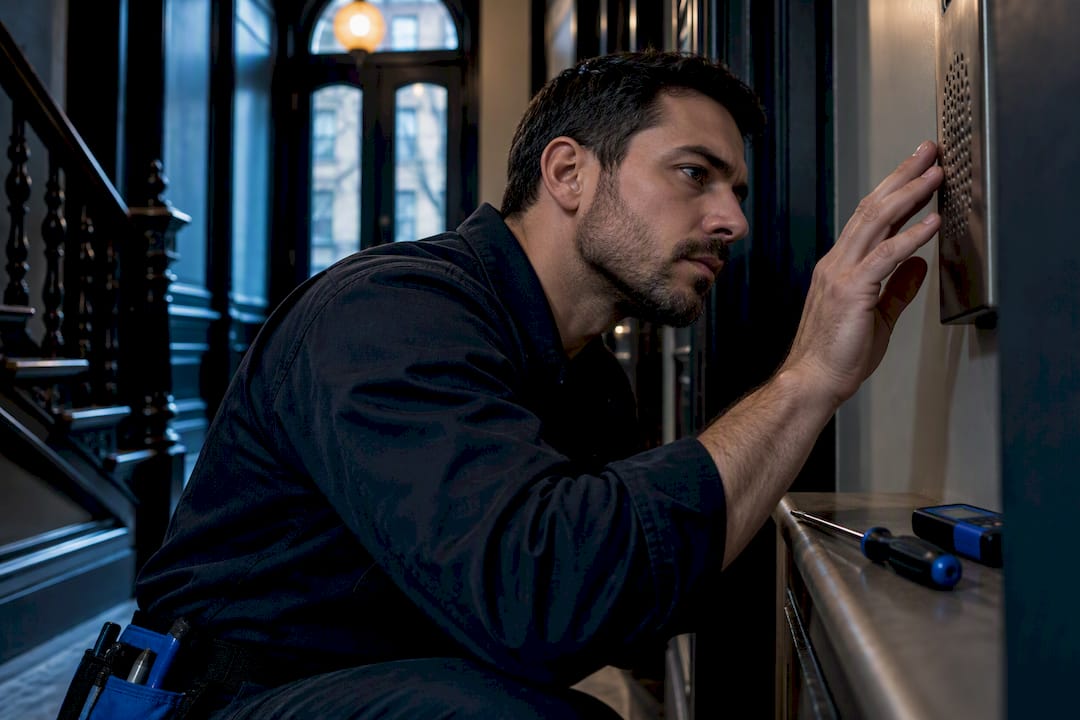
A school security system is defined as an integrated platform combining access control, AI-powered surveillance, intrusion detection, perimeter protection, fire and life safety, and environmental monitoring to protect students and staff. The types of school security systems available in 2026 span six primary domains, each serving a distinct protective function within a coordinated campus safety ecosystem. Security Industry Association guidelines and the CISA K-12 School Security Guide both confirm that no single technology provides adequate protection on its own. Effective campus security requires layered systems that communicate with each other in real time, enabling faster threat detection and coordinated response across every zone of a school building.
1. What are the main types of school security systems?
Modern school security integrates six primary domains for effective, multi-layered protection. Each domain addresses a specific vulnerability and contributes a distinct layer to the overall defense. Understanding each category helps administrators allocate budget and prioritize upgrades based on actual risk.
The six core categories are access control, video surveillance, intrusion detection, perimeter protection, fire and life safety, and environmental monitoring. Together, they form the foundation of any well-designed campus security program. The table below summarizes each category and its primary function.
| System Type | Primary Function |
|---|---|
| Access control | Restricts and verifies entry at doors, gates, and secure zones |
| Video surveillance | Monitors activity, records footage, and enables AI-driven threat detection |
| Intrusion detection | Detects unauthorized entry through sensors, motion detectors, and alarms |
| Perimeter protection | Secures campus boundaries with fencing, lighting, and physical barriers |
| Fire and life safety | Detects smoke, heat, and fire; triggers alarms and sprinkler systems |
| Environmental monitoring | Tracks air quality, gas levels, and flood conditions |
Each system type addresses a gap that the others cannot fill. A school with strong access control but no intrusion detection, for example, remains exposed once an unauthorized person bypasses a door.
2. Access control systems
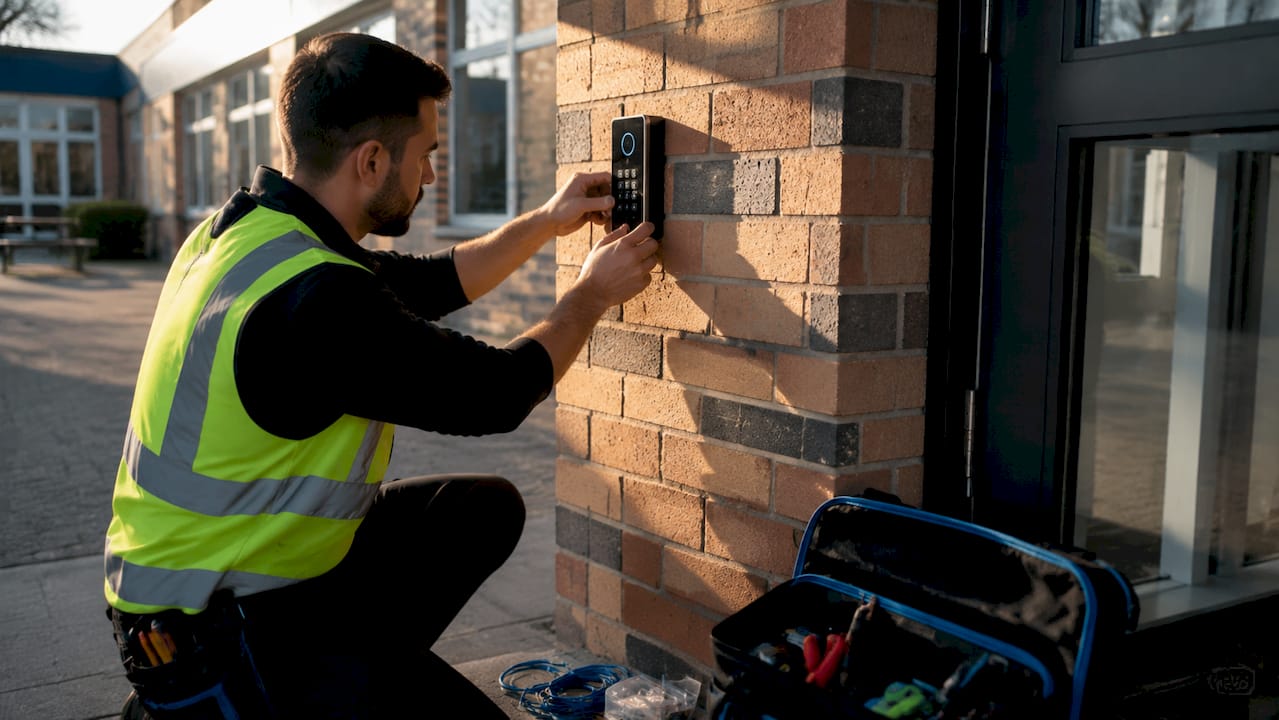
Access control is the first line of defense in any school security architecture. These systems use credential readers, electronic locks, key fob or card access, PIN codes, and biometric verification to confirm identity before granting entry. Real-time verification means staff can lock down a specific door or an entire building within seconds from a central console.
Modern access control platforms log every entry and exit event with a timestamp and user identity. That audit trail is critical during incident investigations and compliance reviews. Schools that integrate access control with their video surveillance platform can automatically pull footage tied to any specific access event, reducing investigation time significantly.
Pro Tip: Specify door controllers with open API support when purchasing access control hardware. This allows you to add biometric readers or connect to a new video management system later without replacing the entire infrastructure.
3. Video surveillance and AI-powered cameras
Video surveillance has moved well beyond passive recording. AI-powered cameras now analyze live feeds for behavioral anomalies, unusual crowd patterns, and specific threat indicators such as weapons. This shift from passive recording to active threat detection is the most significant change in school surveillance options over the past three years.
Firearm detection and behavioral analytics are now key differentiators among top school security solutions, with cloud analytics and modular AI video modules enabling real-time alerts. That capability reduces the window between a threat appearing and a staff member receiving an alert. Video management systems (VMS) centralize all camera feeds, allowing security coordinators to monitor every zone from a single screen.
Exterior cameras covering parking lots, entry points, and perimeter fencing are equally important. Exterior school surveillance cameras document incidents before they enter the building, providing evidence and deterrence simultaneously.
4. Intrusion detection systems
Intrusion detection systems identify unauthorized entry through a network of door and window contact sensors, passive infrared motion detectors, glass-break sensors, and alarm panels. When a sensor triggers, the system generates an alert and, in integrated setups, automatically locks adjacent doors and notifies local authorities. Speed of notification is the defining performance metric for intrusion detection.
Motion detectors placed in hallways, gymnasiums, and stairwells extend coverage beyond door sensors. Glass-break sensors are particularly effective in classrooms with large windows that face exterior grounds. Alarm panels with cellular backup maintain communication with monitoring centers even when internet or phone lines are cut.
5. Perimeter protection
Perimeter protection establishes a physical and visual boundary around campus before a threat reaches any building entrance. Fencing, vehicle barriers, controlled entry lanes, and adequate exterior lighting are the core components. The goal is to slow unauthorized access and create observable chokepoints where cameras and staff can identify threats early.
Lighting is one of the most cost-effective perimeter security measures available. Well-lit parking lots and pathways reduce concealment opportunities and deter opportunistic threats. Combining lighting with exterior cameras and a single controlled vehicle entry point creates a layered perimeter that forces any intruder into a monitored zone.
6. Fire and life safety systems
Fire and life safety systems are legally required in every school building and must comply with NFPA 72, the National Fire Alarm and Signaling Code. These systems include smoke detectors, heat detectors, manual pull stations, audible and visual alarms, and sprinkler supervision. Compliance with NFPA 72 is not optional. It is a baseline requirement that also affects insurance coverage and facility certification.
Modern fire alarm panels integrate with access control and video systems, automatically unlocking exit doors and directing cameras to the alarm zone when a fire event triggers. That integration accelerates evacuation and helps first responders identify the exact location of the incident. Schools that treat fire safety as a standalone system miss the coordination benefits that integration provides.
7. Environmental and hazard monitoring
Environmental monitoring covers threats that cameras and motion sensors cannot detect: carbon monoxide, natural gas leaks, poor air quality, and flooding. Integrated environmental monitoring in campus safety platforms connects these sensors to the same alert infrastructure used for intrusion and fire events. A gas leak detected at 2 a.m. triggers the same notification workflow as a door forced open after hours.
Air quality sensors are increasingly common in schools following post-pandemic attention to indoor ventilation standards. Carbon monoxide detectors are required by law in most states. Flood sensors in basements and mechanical rooms protect critical infrastructure and prevent costly damage that disrupts school operations.
8. How AI and integrated technologies enhance school security
The shift from perimeter-focused to connected-ecosystem security improves real-time alerting and coordinated response across all system types. Unified platforms link access control, video, environmental sensors, and visitor management into a single operational view. That integration means a single event, such as a door forced open, can simultaneously trigger a camera to record, lock adjacent doors, and send an alert to the security coordinator’s phone.
AI reduces false alarms by adding a verification layer before an alert reaches staff. Behavioral analytics flag unusual patterns, such as a person moving against evacuation flow or loitering near a restricted entrance, and route those flags to a human reviewer rather than triggering an automatic lockdown. That human-in-the-loop model is the current best practice for minimizing unnecessary disruptions.
Key AI-enabled capabilities now available in school security platforms include:
-
Weapon and firearm detection from live camera feeds
-
Unusual crowd behavior recognition
-
Visitor identity verification against watchlists
-
Automatic door locking triggered by threat classification
-
Real-time alert routing to specific staff roles based on threat type
Pro Tip: When evaluating AI video analytics, ask vendors for documented false-positive rates from school deployments specifically. Rates from retail or warehouse environments do not translate to school settings.
9. Operational and architectural considerations for school security
K-12 and higher education campuses require distinct architectural security models adapted to their operational patterns. K-12 schools benefit from centralized monitoring with strict visitor control and a single point of command. Colleges and universities, by contrast, need multi-site solutions that balance open access with targeted restriction in sensitive areas such as laboratories and administrative offices.
Selecting the right architecture starts with a formal risk assessment, not a product catalog. Administrators should map their highest-risk entry points, identify gaps in current coverage, and define response protocols before evaluating any technology. Successful security investments incorporate risk assessment, operational goals, and staff training rather than simply purchasing the latest available technology.
The following considerations shape system selection for most campuses:
-
Campus size and number of buildings requiring coverage
-
Existing infrastructure that new systems must integrate with
-
Staff capacity to monitor and respond to alerts
-
Budget split between upfront capital and ongoing subscription costs
-
Regulatory requirements specific to the state and district
Open API and modular architectures future-proof school security investments by allowing new AI analytics or additional sensors to connect without replacing existing hardware. Proprietary closed systems lock schools into a single vendor and create expensive upgrade cycles. Specifying open API compatibility at the procurement stage is one of the highest-leverage decisions a security coordinator can make.
Pro Tip: Request a 5-year total cost of ownership projection from every vendor. Cloud-based security systems carry lower upfront costs but higher ongoing subscription fees. On-premise systems invert that ratio. The 5-year view reveals the true financial commitment.
10. How to build a comprehensive school security system
Building a comprehensive school security system starts with layering the six core categories in order of risk priority. Access control and video surveillance address the highest-frequency threats and deliver the broadest coverage per dollar spent. Intrusion detection and fire safety are non-negotiable baselines. Perimeter protection and environmental monitoring round out the system for schools with the budget and risk profile to justify them.
Phased implementation allows schools with limited budgets to build toward a complete system over two to three years. Starting with access control at primary entry points and IP cameras covering those same zones creates an immediate, measurable improvement in security posture. Each subsequent phase adds a new layer without requiring the previous investment to be replaced.
The comparison below illustrates how system depth affects capability:
| Capability | Basic setup | Integrated setup |
|---|---|---|
| Entry verification | Key fob readers at main entrance | Biometric readers at all access points with real-time logging |
| Threat detection | Motion alarms triggered after entry | AI camera flags threat before building entry |
| Alert routing | Single alarm panel notification | Role-based alerts sent to coordinator, principal, and police |
| Incident review | Manual footage search | Automatic footage retrieval linked to access event |
| Environmental coverage | Smoke detectors only | Gas, CO, air quality, and flood sensors on unified platform |
Continuous monitoring by a professional central station adds a layer of human oversight that automated systems alone cannot replicate. Schools that rely solely on self-monitoring face response delays when staff are unavailable or when an incident occurs outside school hours.
Key takeaways
Effective school security requires six integrated system types working together, not a collection of standalone devices purchased without a coordinated architecture.
| Point | Details |
|---|---|
| Six core system types | Access control, video surveillance, intrusion detection, perimeter protection, fire safety, and environmental monitoring form the complete framework. |
| AI adds detection speed | AI-powered cameras detect weapons and behavioral anomalies before a threat reaches staff, reducing response time. |
| Architecture must match campus type | K-12 and higher education require different system designs; mismatched architecture creates security gaps. |
| Open API protects investment | Systems with open API support allow future upgrades without full replacement, lowering long-term costs. |
| Training determines real-world impact | Technology without rehearsed response protocols fails when it matters most. |
YDA Security Systems NYC: professional school security installation
School security decisions carry real consequences, and the installation quality behind every system determines whether it performs under pressure. YDA Security Systems NYC designs and installs integrated security systems for schools and commercial properties across New York City, with licensed and insured technicians handling access control, IP camera networks, intercom systems, and environmental monitoring from a single point of accountability.
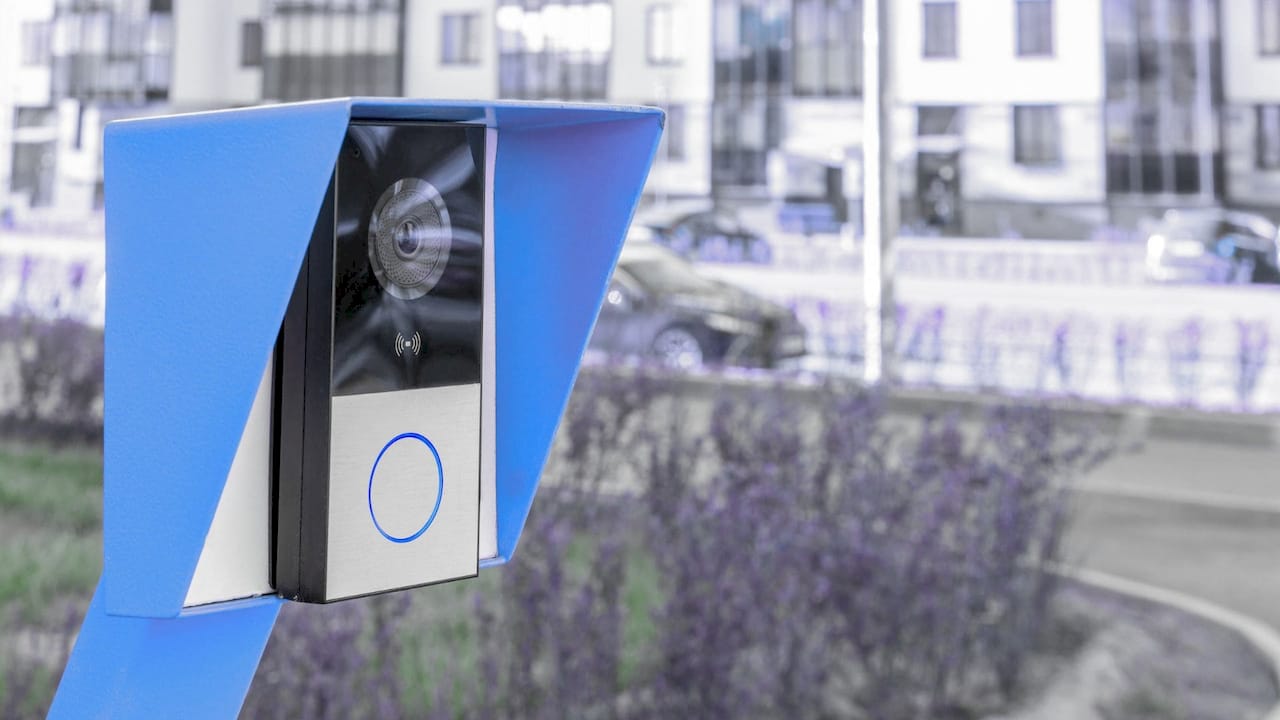
With over 5,000 satisfied clients and a 1-year warranty on all installations, YDA Security Systems NYC delivers systems built to perform from day one. Every project begins with a site assessment that maps your specific vulnerabilities and aligns the system design to your operational goals. Contact YDA Security Systems NYC through security-systems.nyc to schedule a custom security assessment for your campus.
FAQ
What are the six types of school security systems?
The six primary types are access control, video surveillance, intrusion detection, perimeter protection, fire and life safety, and environmental monitoring. Each addresses a distinct threat category and contributes a separate layer to campus protection.
How does AI improve school security camera systems?
AI-powered cameras detect weapons, behavioral anomalies, and unusual crowd patterns in real time, routing alerts to human reviewers before triggering a lockdown. This reduces false alarms and speeds up verified threat response.
What is the difference between K-12 and college security system design?
K-12 schools use centralized monitoring with strict visitor control, while colleges require multi-site architectures that balance open campus access with restricted zones. Mismatching the model to the campus type creates coverage gaps.
Should schools choose cloud-based or on-premise security systems?
Cloud-based systems carry lower upfront costs but higher ongoing subscription fees. On-premise systems require larger capital investment but lower recurring costs. A 5-year total cost of ownership projection clarifies which model fits the school’s budget.
Why is staff training as important as the security technology itself?
Advanced detection technology only works when staff know how to respond to its alerts. Rehearsed response protocols and regular drills determine whether a system’s real-time alerts translate into effective action during an actual incident.