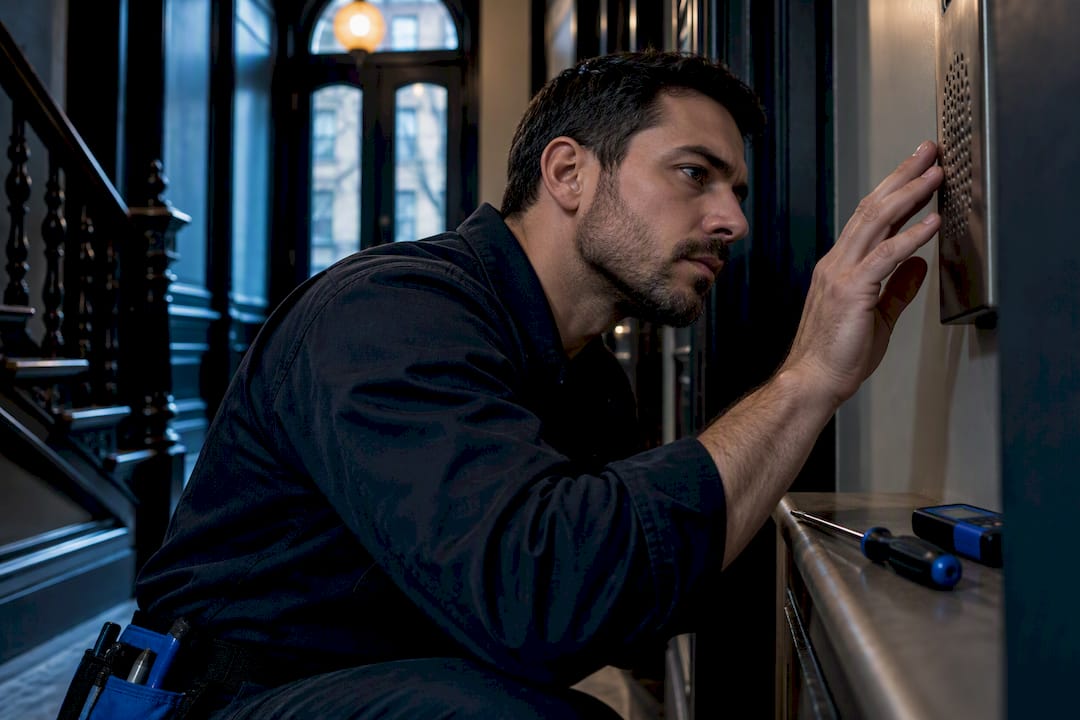
Welcome to your complete guide to the security system installation process, where we walk you step by step through what to expect during CCTV installation and professional security setup, whether for a home, apartment, or commercial property in NYC. Understanding how security installation works helps you avoid costly mistakes, choose the right equipment, and ensure your cameras and alarm systems are positioned for maximum protection. From initial site assessment and system design to wiring, configuration, and final testing, this guide explains the full process in clear, practical terms so you can make informed decisions, feel confident during installation day, and invest in a system that truly safeguards your property.
The security system installation process typically includes a site assessment, system design, equipment selection, camera and sensor installation, system configuration, and final testing. Professional installers evaluate entry points, mount CCTV cameras, connect wiring or wireless networks, configure monitoring software, and ensure the system functions properly before providing user training and activation.
What Is The Security System Installation Process? Overview
Understanding the security system installation process helps you make smarter decisions before any equipment is mounted or wired. Whether you are installing CCTV cameras in a private residence or planning a full commercial security installation, the process follows a structured path designed to ensure proper coverage, reliability, and long-term performance. From the initial consultation to final system activation, each step plays a critical role in protecting your property effectively.
At a high level, the installation process includes evaluating the property, designing the system layout, selecting the right equipment, installing hardware, configuring the system, testing performance, and training the user. While that sounds straightforward, the complexity varies significantly depending on the property type, system design, and whether the installation is handled professionally or as a DIY project.
The Full Installation Journey From Consultation To Activation
A professional security system installation typically unfolds in stages that ensure nothing is overlooked.
- Initial consultation: The installer evaluates the property, discusses security concerns, and identifies high-risk areas such as entry points, blind spots, and low-visibility zones.
- System design and planning: Based on the assessment, a customized layout is created, determining camera placement, sensor positioning, wiring paths, and equipment selection.
- Equipment selection: Cameras, recorders, alarm panels, and sensors are chosen based on coverage needs, budget, and environmental conditions.
- Installation and mounting: Hardware is mounted securely, wiring is routed cleanly if applicable, and devices are positioned for optimal performance.
- System configuration: The network connection, mobile access, recording schedules, and alert settings are programmed and calibrated.
- Testing and activation: Each component is tested for reliability, and the system is fully activated after confirming proper functionality.
- User walkthrough: The property owner receives hands-on training to ensure they understand monitoring, playback, and system management.
Skipping or rushing any of these stages often leads to performance gaps, which is why a structured approach is critical.
Residential Vs Commercial Security Installation
While the core installation process remains similar, residential and commercial security installation projects differ in scope, scale, and technical requirements.
- Residential systems: Typically focus on perimeter protection, front and rear entrances, driveways, and basic interior monitoring. They are often simpler in design and may integrate smart home features.
- Commercial systems: Require broader coverage, including employee areas, inventory storage, cash handling zones, parking lots, and sometimes multi-floor layouts. These systems often involve access control, advanced recording solutions, and compliance considerations.
- Scalability requirements: Commercial properties must account for future expansion, higher storage demands, and greater network load.
- Regulatory factors: Businesses may need to follow specific industry regulations related to surveillance and data storage.
A commercial security installation generally demands more planning and system redundancy to ensure continuous operation.
Wired Vs Wireless Security Systems
Choosing between wired and wireless systems significantly impacts the installation process, cost, and long-term reliability.
- Wired systems: Offer stable connections and consistent performance because they rely on physical cabling. They are ideal for larger properties and environments where signal interference may be an issue.
- Wireless systems: Use WiFi connectivity, making them easier and faster to install with minimal structural disruption. They are popular for apartments and smaller homes.
- Installation complexity: Wired installations require cable routing through walls or ceilings, which increases labor but often improves reliability.
- Maintenance considerations: Wireless systems depend on strong internet connectivity and may require periodic battery replacement for certain components.
An experienced installer evaluates building structure, network capacity, and long-term needs before recommending one option over the other.
DIY Vs Professional Security Installation
Many property owners consider DIY security systems, but there are important differences between self-installation and professional setup.
- DIY installation: Typically involves plug-and-play equipment, pre-configured devices, and limited system customization. While cost-effective upfront, coverage gaps and improper placement are common.
- Professional installation: Involves strategic camera positioning, calibrated viewing angles, optimized storage configuration, and clean wiring management.
- System optimization: Professionals test lighting conditions, adjust motion detection zones, and minimize blind spots.
- Long-term reliability: Professionally installed systems are generally more stable and easier to maintain.
For properties with complex layouts, multiple entry points, or business operations, professional installation significantly reduces risk.
Key Components Of A Security System
Understanding the core components of a security system helps clarify how the entire installation process comes together.
CCTV Cameras
CCTV cameras are the visual backbone of the system. They capture real-time footage and store recordings for later review. Camera selection depends on placement and purpose.
- Indoor cameras: Designed for interior monitoring with wide-angle coverage.
- Outdoor cameras: Built with weather resistance and night vision capabilities.
- Resolution considerations: Higher resolution provides clearer detail but requires more storage capacity.
- Field of view: Determines how much area a single camera can cover effectively.
Proper positioning is critical. A poorly angled camera can reduce effectiveness regardless of resolution.
NVR And DVR Systems
NVR and DVR systems manage video storage and playback.
- DVR systems: Typically used with analog cameras and rely on direct cabling.
- NVR systems: Used with IP cameras and offer more flexibility, often supporting higher resolution footage.
- Storage capacity: Determined by hard drive size and recording settings.
- Remote access: Enables viewing footage from a mobile device or desktop application.
The recording system is the central hub of a CCTV install, and proper configuration ensures smooth retrieval and secure storage.
Alarm Panels
Alarm panels serve as the control center for intrusion detection.
- System control: Allows arming and disarming of the security system.
- Integration capability: Can connect with cameras, sensors, and monitoring services.
- User access management: Supports multiple user codes for family members or employees.
A properly installed alarm panel improves both security and ease of use.
Sensors
Sensors detect unauthorized entry and movement.
- Motion sensors: Trigger alerts when movement is detected within a defined area.
- Door and window sensors: Activate alarms when entry points are opened unexpectedly.
- Glass break detectors: Identify the sound frequency of breaking glass.
- Environmental sensors: Monitor smoke, carbon monoxide, or flooding if integrated.
Accurate placement and sensitivity calibration are essential to avoid false alarms.
Access Control Systems
For commercial properties or high-security environments, access control adds another layer of protection.
- Keycard systems: Restrict entry to authorized personnel.
- Biometric readers: Use fingerprint or facial recognition for secure authentication.
- Audit trails: Track who enters and exits specific areas.
- Integration options: Connect access control with surveillance and alarm systems for centralized management.
Access control systems are often incorporated during commercial security installation projects to enhance accountability and oversight.
Step-By-Step Breakdown Of The Security System Installation Process
Installing a security system is not just about mounting cameras and plugging in equipment. A properly executed security system installation process follows a structured approach that ensures full coverage, reliable performance, and long-term durability. From the first walkthrough to final testing, each stage plays a critical role in eliminating blind spots, preventing technical issues, and making sure the system actually delivers the protection you expect.
1. Site Assessment & Security Planning
Every successful installation begins with a detailed site assessment. This step determines how effective the entire system will be. Skipping or rushing this stage often leads to poor camera placement, weak signal coverage, and missed vulnerabilities.
Professional installers carefully evaluate:
- Entry Points: Front and back doors, side entrances, garage access, fire escapes, basement entries, and delivery zones. These are primary targets and must be clearly covered without obstruction.
- Lighting Conditions: Daylight exposure, shadows, nighttime visibility, glare from windows, and street lighting. Cameras must be positioned to avoid backlighting or washed-out footage.
- Internet And Network Setup: Router placement, bandwidth capacity, wired access points, and signal strength throughout the property. Weak connectivity can compromise remote viewing and alerts.
- Vulnerable Areas: Blind corners, alley access, storage rooms, cash handling areas, or secluded exterior spaces that may not be visible from the street.
For security installation NYC, additional planning is often required:
- Apartment Building Restrictions: Many high-rise buildings have rules about drilling, wiring routes, and exterior mounting.
- Landlord Approvals: Tenants may need written permission before installing equipment.
- Local Building Compliance Considerations: Certain commercial properties may require adherence to fire codes, landmark preservation rules, or electrical standards.
A professional assessment reduces blind spots because it views the property from a security perspective rather than a convenience perspective. Homeowners often focus on obvious areas, while experienced installers identify subtle vulnerabilities that are not immediately visible.
2. System Design & Equipment Selection
Once the site evaluation is complete, the next step is designing a system that fits the property’s layout and security goals. This is where expertise makes a major difference.
Choosing the right CCTV cameras requires understanding:
- Indoor Vs Outdoor Models: Outdoor cameras need weather resistance and temperature durability.
- Dome Vs Bullet Cameras: Dome cameras are discreet and harder to tamper with, while bullet cameras are more visible and act as deterrents.
- Night Vision And Low Light Capability: Infrared range and sensor quality matter more than marketing claims.
Storage is another key decision:
- Cloud Storage: Offers remote access and off-site backup but may require subscription fees.
- Local NVR Storage: Provides full control and no recurring costs, but storage capacity must be carefully calculated.
Wired vs wireless systems each have advantages:
- Wired Systems: More stable connection and ideal for larger properties.
- Wireless Systems: Easier installation and flexible placement, but dependent on network strength.
One of the most common mistakes is overbuying equipment. Higher resolution cameras are not always better if storage cannot support them or if the viewing distance does not require ultra high definition. Matching camera resolution to real monitoring needs ensures clear identification without unnecessary expense.
3. Pre-Installation Preparation
Preparation prevents delays and unexpected complications on installation day. Proper coordination ensures the process runs smoothly.
Installers focus on:
- Scheduling And Access Planning: Confirming property access, tenant coordination, and installation timing.
- Power And Network Setup: Verifying available outlets, surge protection, and stable internet connectivity.
- Marking Camera Placement: Identifying precise mounting positions before drilling begins.
Property owners should prepare by:
- Clearing Installation Areas: Removing obstacles near entry points or ceiling corners.
- Confirming Network Credentials: Providing router access details for configuration.
- Understanding Timeline Expectations: Planning around short disruptions to power or internet if necessary.
Most residential installations involve minimal disruption. However, some drilling noise and brief connectivity interruptions may occur.
4. CCTV Install & Hardware Setup
This stage is where the physical system is installed and secured. Precision during installation directly impacts image quality and long-term reliability.
Installers complete the following:
- Mounting Cameras Properly: Ensuring correct height and angle to capture faces and activity rather than just the tops of heads.
- Running Cables For Wired Systems: Routing cables cleanly through walls or conduits to protect them from damage.
- Concealing Wiring Cleanly: Minimizing visible cables for aesthetic and security reasons.
- Installing the Control Panel Or NVR: Placing recording equipment in a secure and ventilated area.
- Setting Up Alarm Sensors: Installing motion detectors, door sensors, and glass break detectors in optimal positions.
What to expect during CCTV install typically includes light drilling, ladder work, cable routing, and device mounting. A small home system may take half a day, while a multi-camera commercial property can take one to two days depending on complexity.
5. System Configuration & Testing
Installation is not complete until the system is properly configured and thoroughly tested. This phase ensures the equipment performs reliably in real-world conditions.
Key configuration steps include:
- Connecting To Wi Fi Or Network: Ensuring secure and stable communication between devices.
- Adjusting Camera Angles: Fine-tuning views after live footage is visible.
- Configuring Mobile App Access: Setting up secure login and remote viewing.
- Setting Motion Detection Zones: Reducing false alerts by excluding irrelevant areas.
- Testing Alarm Triggers And Notifications: Verifying that alerts are sent instantly and accurately.
Testing is critical before final approval because minor misalignments or sensitivity errors can significantly impact performance. A camera that is off by just a few inches may miss critical identification details. Proper testing ensures every component functions exactly as intended.
6. Final Walkthrough & User Training
The final walkthrough is one of the most overlooked yet essential parts of the security system installation process. Even the most advanced system is ineffective if the user does not understand how to operate it.
During this phase, installers explain:
- How To Use The Monitoring App: Viewing live footage, receiving alerts, and adjusting settings.
- Playback Footage Retrieval: Accessing recorded clips and exporting video if needed.
- Arming And Disarming Alarms: Proper daily use to avoid false triggers.
- Maintenance Basics: Cleaning lenses, checking storage space, and updating firmware.
- Warranty And Service Support Overview: Understanding coverage terms and service options.
A professional walkthrough prevents common user errors such as misconfigured motion zones, forgotten password access, or disabled notifications. It reinforces trust, demonstrates expertise, and ensures the system delivers long term protection rather than short-term functionality.
What To Expect During CCTV Installation (Home Or Business)
Understanding what happens on installation day helps you prepare your space, minimize disruption, and feel confident about the results. Whether you are installing cameras in a single-family home or upgrading security in a commercial property, the CCTV installation process follows a structured approach. While every property is different, most professional security installations follow predictable steps, timelines, and finishing standards. Knowing what to expect reduces stress and prevents miscommunication with your installer.
Timeline Expectations: Same Day Vs Multi Day Install
The length of a CCTV installation depends on property size, number of cameras, wiring complexity, and whether the system is wired or wireless.
- Small Residential Installations: A typical home with four to six cameras can often be completed in one day, usually within four to eight hours. This includes mounting cameras, routing cables, configuring the recorder, and testing the system.
- Larger Homes Or Complex Layouts: Multi-story homes or properties with detached garages may require a full day or extend into a second day if cable runs are extensive or attic access is limited.
- Small Commercial Spaces: Retail shops or small offices often take one full day, especially if cable concealment and network integration are required.
- Larger Commercial Installations: Multi-camera systems with access control, alarm integration, or structured cabling can take two to three days depending on scope.
An experienced installer will provide a realistic timeline after a site assessment. If someone promises a very large system in just a few hours, that is often a red flag.
How Intrusive The Process Is
Most homeowners are pleasantly surprised that CCTV installation is less disruptive than they expected. That said, there is some unavoidable physical work involved.
- Drilling: Small holes are drilled to mount cameras and route cables through walls or ceilings. In finished homes, installers aim to use attic or crawl space access to minimize wall damage.
- Cable Routing: Wired systems require cables to be run neatly along structural pathways. Skilled technicians conceal wiring inside walls or use discreet conduit where necessary.
- Temporary Noise: Expect moderate drilling noise during mounting and cable routing. This typically occurs in short intervals rather than continuously.
- Access Needs: Installers may need access to utility areas, networking equipment, or ceilings. Clearing those spaces in advance speeds up the process.
Wireless systems reduce cabling but still require power access and strategic placement. Even in wireless setups, careful mounting and positioning are critical for reliable coverage.
Clean Up And Finishing Standards
Professional security installation should not leave your property looking like a construction zone. Finishing quality is a strong indicator of installer experience.
- Cable Management: Wires should be hidden or neatly secured. Visible cable runs should be straight, clipped securely, and aligned with edges.
- Sealed Entry Points: Any drilled exterior holes must be sealed properly to prevent moisture intrusion.
- Device Alignment: Cameras should be level and positioned precisely, not tilted or loosely mounted.
- Debris Removal: All dust, drywall residue, and packaging materials should be cleaned before the installer leaves.
Before signing off, walk through the property and visually inspect the work. A reputable installer will welcome this step and make final adjustments if needed.
Internet Bandwidth Impact
Modern CCTV systems often rely on internet connectivity for remote viewing, cloud storage, and motion alerts. Many people underestimate the role bandwidth plays in performance.
- Upload Speed Matters Most: Remote viewing and cloud recording depend primarily on upload speed. If your upload speed is limited, video feeds may appear delayed or lower in quality.
- Resolution Affects Data Use: Higher resolution cameras such as 4K systems consume more bandwidth than standard 1080p systems.
- Network Stability: Older routers may struggle to handle multiple cameras streaming simultaneously. In some cases, upgrading networking equipment improves performance significantly.
- Local Recording Option: If bandwidth is limited, a local NVR or DVR system reduces reliance on constant internet streaming.
A professional installer should evaluate your network before installation and advise whether upgrades are necessary. This prevents frustration after the system is activated.
Common Surprises People Are Not Prepared For
Even when homeowners research the security system installation process, a few things tend to catch people off guard.
- Camera Angle Limitations: Cameras cannot see through glare, direct sunlight, or obstructions. Placement must account for environmental conditions.
- Storage Limits: Recording at high resolution continuously can fill storage faster than expected. Motion-based recording often extends retention time.
- App Configuration Complexity: Mobile app setup may require account verification, firmware updates, and network configuration steps.
- Power Source Placement: Some camera locations may require nearby outlets or electrical adjustments.
Clear communication before installation reduces these surprises. An experienced installer explains tradeoffs and confirms expectations during the planning stage.
Real World Insight: Small Retail Shop Vs Single Family Home
In a small retail shop, the focus is often on entry points, cash register areas, and inventory storage. Cameras are positioned to monitor customer flow and reduce shrinkage. Wiring may be more exposed in commercial ceilings, making installation faster but requiring careful alignment for a professional look. Network integration is often critical because business owners want remote access and cloud backups.
In a single-family home, priority areas usually include front doors, driveways, backyards, and interior entry points. Installers typically work harder to conceal wiring inside walls or attic spaces to preserve aesthetics. Homeowners are often more sensitive to visible equipment and disruption, so clean finishing and minimal wall damage become top priorities.
Security Installation In NYC – What Makes It Different?
Installing a security system in New York City is very different from installing one in a suburban home or standalone commercial building. Between strict building management policies, landmark preservation rules, high-rise infrastructure, and local compliance standards, security installation NYC projects require careful planning and local expertise. Whether you are installing CCTV cameras in a co op apartment, upgrading a retail store in Manhattan, or adding access control to a commercial property in Brooklyn, understanding these differences helps avoid delays, rework, and unnecessary costs.
Building Management Approvals
In NYC, especially in co-ops, condos, and multi-tenant commercial buildings, you rarely have full autonomy over modifications. Building management often has strict requirements before any security installation can begin.
- Board approval requirements: Many co-ops require written approval before drilling, running cables, or installing exterior cameras. This can take days or even weeks depending on the board schedule.
- Certificate of insurance: Installers are typically required to provide proof of insurance that meets the building’s minimum coverage limits.
- Work hour restrictions: Most buildings limit installation to specific weekday hours to minimize disruption to residents or tenants.
- Approved contractor lists: Some properties require contractors to be pre-approved or registered before work begins.
An experienced local installer understands these processes and prepares documentation in advance, preventing project delays that often surprise first-time property owners.
Landmark Properties And Drilling Restrictions
New York City has thousands of landmark-designated buildings, particularly in areas like Manhattan and Brooklyn. If your property falls under landmark protection, exterior modifications are highly regulated.
- Facade drilling limitations: You may not be allowed to drill into certain exterior surfaces without approval from the Landmarks Preservation Commission.
- Camera placement visibility rules: Cameras mounted on visible building facades may require review to ensure they do not alter the historic character.
- Alternative mounting solutions: In landmark properties, installers often use non-invasive mounting methods or interior placements to remain compliant.
This is where experience becomes critical. A technician unfamiliar with NYC landmark rules may recommend placements that later require removal or revision. A knowledgeable professional anticipates these restrictions and designs a compliant solution from the start.
Permit Considerations
Permit requirements vary depending on the scope of the project, building type, and whether structural or electrical modifications are involved. While many small residential CCTV installs do not require city permits, more complex systems often do.
- Electrical work permits: If new circuits are added or significant electrical changes are made, a licensed electrician may be required.
- Commercial property requirements: Larger commercial installations, especially those involving access control systems, may require additional documentation or inspections.
- Fire code integration: Systems that connect to fire alarms or life safety equipment must comply with NYC fire code regulations.
A reputable security installation NYC provider evaluates permit requirements before beginning work and communicates clearly about any compliance steps. This protects property owners from violations or fines.
High Rise Wiring Challenges
High-rise buildings present unique technical challenges that do not exist in smaller properties. Cable routing, signal strength, and infrastructure limitations can complicate even a straightforward CCTV installation.
- Concrete construction: Many NYC buildings use reinforced concrete, which makes drilling more complex and can affect wireless signal strength.
- Limited riser access: Running cables between floors often requires coordination with building management and access to shared utility spaces.
- Network bandwidth constraints: Older buildings may have outdated wiring that impacts video transmission quality.
- Elevator and common area integration: Commercial high rises often require coordinated installation in shared spaces, adding logistical complexity.
An experienced installer plans cable paths carefully, evaluates network capacity in advance, and ensures camera placement delivers clear coverage despite structural obstacles.
Increased Demand For Integrated Access Control Systems
In NYC, security expectations tend to be higher than in many other regions due to population density and building traffic. Many property owners are moving beyond basic CCTV systems and integrating access control and monitoring solutions.
- Key card and fob systems: Frequently installed in residential and commercial properties to manage tenant or employee access.
- Video intercom integration: Common in apartment buildings and mixed-use properties.
- Remote monitoring capabilities: Property managers often require centralized access to multiple camera feeds and entry logs.
- Cloud-based management platforms: Increasingly popular for multi-property owners who need scalable control.
Security installation NYC projects often involve combining surveillance cameras with access control and remote management tools. Designing these systems requires technical expertise and an understanding of how different technologies integrate smoothly.
Why Local Experience Matters
While security systems follow universal principles, NYC adds layers of complexity that make local experience extremely valuable. Working with a company that understands the city’s building structures, approval processes, and regulatory landscape reduces risk and ensures a smoother installation.
- Familiarity with building types: From brownstones to modern high rises, each structure presents unique installation considerations.
- Established relationships: Experienced providers often have prior experience working with building managers and property boards.
- Regulatory awareness: Knowledge of local codes and compliance standards prevents costly mistakes.
- Efficient troubleshooting: When challenges arise, seasoned NYC installers know how to adapt quickly without compromising coverage.
Ultimately, security installation in NYC is not just about mounting cameras. It requires thoughtful planning, regulatory awareness, and technical precision. Choosing a provider with proven local expertise helps ensure your system is not only installed correctly but designed to function reliably in one of the most complex property environments in the country.
Common Mistakes To Avoid During Security System Installation
Even the most advanced security equipment can underperform if it is installed incorrectly. Over the years, I have seen high-quality CCTV cameras and alarm systems fail simply because of poor planning or rushed installation. Understanding the most common security system installation mistakes can save you time, money, and frustration while ensuring your system delivers reliable protection when it matters most. Below are the critical errors to avoid and practical steps you can take to prevent them.
Poor Camera Placement
Camera placement is one of the most common and costly mistakes in the security system installation process. A poorly positioned camera can create blind spots, overexposed footage, or unusable recordings.
- Mounted Too High: Cameras installed excessively high may capture the tops of heads instead of faces. For identification purposes, cameras should typically be installed at a height that captures clear facial detail at entry points.
- Mounted Too Low: Cameras placed too low are vulnerable to tampering or vandalism. They should be high enough to deter interference while still maintaining proper viewing angles.
- Facing Direct Sunlight: Direct exposure to sunlight can cause glare, washed-out images, and reduced image clarity during key hours of the day. Always position cameras at an angle that minimizes direct sun exposure.
Actionable advice: Before final mounting, temporarily position the camera and review live footage at different times of day. This simple step helps confirm that lighting, angle, and coverage are optimized before permanent installation.
Ignoring Network Strength
Modern CCTV systems often rely on stable internet or local network connectivity for remote access, cloud storage, and mobile alerts. Weak signal strength can cause lag, recording gaps, or connection failures.
- Weak WiFi Coverage: Wireless cameras installed far from routers may experience intermittent disconnections.
- Network Congestion: Security cameras share bandwidth with other devices, and overloaded networks can reduce video quality.
- Poor Router Placement: Routers placed in enclosed spaces or behind thick walls can weaken signal transmission.
Actionable advice: Test network speed and signal strength in every camera location before installation. For larger properties, consider mesh WiFi systems or wired Ethernet connections to ensure stable performance. Reliable connectivity is essential for a properly functioning security system.
Choosing Resolution Without Considering Storage Capacity
Higher resolution cameras deliver sharper images, but they also consume significantly more storage space. Many property owners choose 4K cameras without understanding the long-term storage implications.
- Insufficient Hard Drive Space: High-resolution footage fills DVR or NVR storage quickly, reducing how long recordings are retained.
- Cloud Storage Costs: Higher resolution video increases ongoing subscription expenses.
- Unnecessary Overkill: Not every area requires ultra-high definition footage, especially low-traffic storage rooms.
Actionable advice: Match camera resolution to purpose. Use higher resolution cameras at entry points and high-risk areas, and standard HD cameras where identification needs are lower. Calculate expected storage retention based on camera count and recording settings before finalizing equipment.
Skipping Professional Calibration
Installation does not end when cameras are mounted. Proper calibration ensures the system performs at its highest potential.
- Improper Motion Detection Zones: Without adjustment, motion sensors may trigger false alerts from passing cars or moving trees.
- Incorrect Field Of View Settings: Slight angle adjustments can significantly improve coverage.
- Unoptimized Night Vision: Infrared settings may need fine-tuning to prevent overexposure in low-light environments.
Actionable advice: Always conduct a full system test after installation. Walk through detection zones, test alerts, and review recorded footage. If possible, have a professional installer fine-tune the system settings to ensure accurate motion detection and consistent recording quality.
DIY Installs Without Proper Coverage Planning
While DIY security installation may seem cost-effective, many systems fail due to inadequate coverage planning. Cameras are often installed reactively rather than strategically.
- Missed Entry Points: Side doors, basement entrances, and rear access areas are commonly overlooked.
- Overlapping Blind Spots: Poor positioning can leave gaps between camera coverage areas.
- Lack Of Layered Security: Effective systems combine cameras, motion sensors, alarms, and proper lighting.
Actionable advice: Begin with a complete site assessment before purchasing equipment. Identify all access points, high-value areas, and vulnerable zones. Create a simple coverage map showing each camera’s field of view to ensure there are no gaps. When in doubt, consult a professional for a security evaluation to avoid costly repositioning later.
Wired Vs Wireless Security Systems – Which Is Better?
Choosing between a wired and wireless security system is one of the most important decisions in the security system installation process. The right option depends on your property type, long-term goals, and how much flexibility you need. Both systems can provide strong protection when installed correctly, but they differ in reliability, installation requirements, maintenance needs, and overall cost. Understanding these differences helps you avoid overspending or choosing a system that does not fit your environment.
Reliability Comparison
Reliability is often the first concern for homeowners and business owners considering CCTV installation or alarm systems.
- Wired Systems: These systems connect cameras and sensors directly to a central recorder or control panel using physical cables. Because they are hardwired, they are generally more stable and less vulnerable to signal interference. They do not rely on WiFi strength, which makes them ideal for larger properties or areas with inconsistent internet connectivity.
- Wireless Systems: Wireless systems transmit data over WiFi or cellular networks. While modern systems are highly dependable, they can be affected by weak signals, router placement, or bandwidth congestion. A strong and stable internet connection is essential for consistent performance.
From a professional standpoint, wired systems are typically preferred in commercial environments where uninterrupted surveillance is critical. Wireless systems perform very well in smaller properties when properly configured and supported by strong network infrastructure.
Cost Differences
Budget plays a major role in selecting a security system, and the total cost includes more than just equipment.
- Wired Systems: Equipment costs can be comparable to wireless systems, but labor expenses are usually higher due to cable routing, drilling, and wall access. In multi-story buildings or large commercial properties, installation labor can significantly increase total cost.
- Wireless Systems: Installation is generally faster and less labor-intensive, which can reduce upfront costs. However, some wireless devices rely on batteries or subscription-based cloud storage, which may add recurring expenses over time.
In many cases, wireless systems appear less expensive initially, but long-term storage subscriptions and battery replacements should be factored into the overall investment.
Installation Complexity
Installation complexity directly impacts disruption, project timelines, and required expertise.
- Wired Systems: Installing a wired security system requires running cables through walls, ceilings, or conduit pathways. This may involve drilling, patchwork, and careful planning to conceal wiring. In commercial spaces or new construction projects, this is often manageable and even preferred.
- Wireless Systems: Wireless systems are typically easier to install and cause minimal structural disruption. Cameras can often be mounted and connected to a network without extensive construction work. This makes wireless security installation a popular choice for apartments, rental properties, and retrofits.
For properties in dense urban environments such as NYC, building restrictions may influence which system is more practical. High-rise buildings with concrete walls can make wireless signal strength a challenge, while historic or landmark properties may limit drilling required for wired systems.
Long Term Maintenance
Maintenance is an often overlooked part of security system planning, but it directly affects performance and reliability over time.
- Wired Systems: Once installed, wired systems require minimal ongoing hardware maintenance. There are no batteries to replace, and connections tend to remain stable. Periodic inspections and firmware updates are still necessary to ensure continued performance.
- Wireless Systems: Wireless cameras and sensors may require battery replacements, firmware updates, and occasional network troubleshooting. As properties expand or WiFi networks change, adjustments may be necessary to maintain coverage and signal strength.
In commercial settings where downtime is costly, wired systems generally offer lower long term maintenance risk. In residential environments, wireless systems remain manageable when regularly maintained.
Best For Homes Vs Commercial Properties
The choice between wired and wireless security systems often depends on the property type and level of security required.
- Homes: Wireless systems are often ideal for small to mid-sized homes because they are easier to install, scalable, and flexible. They are especially suitable for renters or homeowners who may relocate in the future.
- Large Homes Or New Construction: Wired systems are a strong option when walls are accessible during construction. They provide clean cable management and long-term reliability.
- Small Businesses: Both options can work effectively, but wired systems may offer greater consistency for retail stores, offices, and warehouses that require continuous surveillance.
- Commercial Properties and High-Traffic Facilities: Wired systems are typically preferred due to their stability, ability to handle multiple cameras, and lower risk of signal interruption.
Ultimately, the best security system installation process starts with evaluating the specific risks, layout, and operational needs of the property rather than defaulting to one technology.
Simple Comparison Table
| Feature | Wired Security System | Wireless Security System |
| Reliability | Highly stable and not dependent on WiFi | Dependent on strong WiFi or cellular signal |
| Installation | Requires cable routing and drilling | Minimal wiring, easier installation |
| Upfront Cost | Higher labor costs | Lower labor costs |
| Ongoing Maintenance | Minimal hardware upkeep | Battery replacement and network monitoring |
| Best For | Commercial properties and large spaces | Homes, apartments, and retrofits |
Both wired and wireless systems can deliver effective protection when professionally installed. The key is selecting the option that aligns with your property structure, risk level, and long-term security goals.
How Long Does Security System Installation Take?
One of the most common questions homeowners and business owners ask about the security system installation process is how long it will take. The answer depends on several factors, including property size, system complexity, and whether the setup is wired or wireless. While some installations can be completed in a single day, larger or more complex systems may require additional time for proper wiring, configuration, and testing. Below is a realistic breakdown based on typical residential and commercial projects.
Small Apartment
For a small apartment with two to four cameras and basic door or window sensors, installation is usually completed within four to six hours. Wireless systems are especially efficient in this setting because there is less need for extensive cable routing.
In apartments, installers typically focus on entry doors, hallways, and shared access points. Internet setup is often straightforward, but coordination with building management may be required before drilling or mounting equipment. A well-planned apartment CCTV install is generally the fastest type of professional security installation.
Single Family Home
A single-family home typically requires six to ten hours for a standard security system installation. If the home includes multiple entry points, a garage, backyard coverage, and indoor monitoring, the project may extend into a full day.
Homes often require more careful cable routing to conceal wiring and protect exterior camera connections from weather exposure. In larger homes with multiple floors, installers may need to access attic or crawl spaces to ensure clean and secure wiring. The time investment ensures better coverage and long-term reliability.
Small Business
For a small business such as a retail shop, office, or restaurant, installation usually takes one full business day and occasionally up to two days. Commercial environments require careful camera positioning to monitor cash registers, inventory storage areas, entrances, and employee access points.
In addition to CCTV cameras, small businesses often include alarm systems, motion detectors, and sometimes access control systems. Because business security is tied to liability and compliance, installers typically spend additional time testing and calibrating equipment before activation.
Multi-Camera Commercial System
Large commercial properties with multiple cameras, network video recorders, and integrated access control systems can take several days to complete. These installations are more complex due to structured cabling, centralized monitoring rooms, and higher data storage demands.
Multi-camera commercial systems often involve:
- Extensive coverage zones: Warehouses, parking lots, loading docks, and interior departments
- Network integration: Dedicated switches, structured Ethernet cabling, and secure remote access setup
- Access control coordination: Keycard readers, intercom systems, and controlled entry points
These projects require detailed planning and staged implementation to avoid disrupting daily operations.
Key Variables That Affect Installation Time
While property size is important, the overall timeline depends on several technical and structural factors. Understanding these variables helps set realistic expectations for your security installation.
Wiring Complexity
The complexity of wiring plays a major role in determining installation time.
- Wired systems: Require drilling, cable routing through walls or ceilings, and connection to centralized recorders
- Concealed cabling: Takes longer when installers must hide wires for aesthetic or safety reasons
- Outdoor routing: Adds time due to weatherproofing and protective conduit installation
Wireless systems reduce cabling time, but they still require careful mounting and network configuration.
Building Type
The structure of the building significantly affects installation efficiency.
- Concrete or brick construction: Requires specialized drilling equipment and more time
- High-rise buildings: May require coordination with property management and restricted installation windows
- Older properties: Often present hidden obstacles such as outdated wiring or limited power access
In cities like NYC, security installation projects sometimes require compliance checks or landlord approval, which can extend the overall timeline even if the physical installation is straightforward.
Internet Infrastructure
Modern CCTV systems rely heavily on network connectivity for remote viewing and mobile alerts.
- Strong existing network: Speeds up configuration and testing
- Weak signal areas: May require range extenders or network upgrades
- Dedicated network setup: Commercial installations often require separate VLANs or secure configurations
If internet upgrades are needed, installation time can increase while technicians ensure stable performance.
Number Of Access Points
The number of doors, windows, gates, and restricted entry points directly impacts installation duration.
- More entry points: Require additional sensors and testing
- Multiple camera angles: Increase mounting and calibration time
- Integrated systems: Access control and alarm integration add configuration steps
Every added component must be individually tested to ensure it triggers alerts correctly and records accurately.
Cost Factors In Security System Installation
Understanding the cost factors in security system installation helps you make informed decisions and avoid unnecessary expenses. Pricing can vary significantly depending on the type of system, the complexity of the installation, and the features you choose. Whether you are planning a basic CCTV install for a small apartment or a full-scale commercial security setup, knowing what drives cost allows you to prioritize protection without overspending.
Equipment Type
The type and quality of equipment you select play a major role in overall installation costs. Not all security systems are built the same, and price differences often reflect performance, durability, and long-term reliability.
- Camera Resolution: Higher resolution cameras such as 4MP or 4K provide clearer footage but require more storage and higher upfront investment compared to standard HD cameras.
- Indoor vs Outdoor Cameras: Outdoor cameras typically cost more due to weatherproof housing, infrared night vision, and vandal-resistant designs.
- Recording System: NVR systems for IP cameras generally offer better image quality and scalability than traditional DVR systems, but they may increase equipment costs.
- Wired vs Wireless Systems: Wired systems often require more hardware and installation time, while wireless systems may reduce cabling but sometimes involve higher device costs.
- Brand Quality: Established security brands with proven reliability tend to cost more but usually provide stronger warranties and better long-term support.
Choosing equipment should be based on your security needs rather than just price. For example, a retail store handling cash transactions may benefit from higher resolution cameras, while a small residential property may not require ultra high definition coverage in every area.
Labor Complexity
Labor is another key component of the security system installation process. The more complex the installation, the more time and expertise are required.
- Wiring Requirements: Running cables through walls, ceilings, or across multiple floors increases labor time compared to simple surface-mounted installations.
- Electrical Work: If additional outlets, power supplies, or circuit adjustments are needed, this adds to installation effort.
- Network Configuration: Integrating cameras with existing internet infrastructure and ensuring secure remote access requires technical expertise.
- Mounting Challenges: High ceilings, concrete walls, or limited attic access can make installation more demanding.
- System Integration: Combining CCTV with alarm systems, access control, or intercoms increases setup complexity.
In cities like NYC, labor complexity can increase due to building regulations, restricted drilling policies, or limited access hours in commercial properties. These factors influence pricing because they extend installation time and planning requirements.
Property Size
Property size directly impacts both equipment needs and labor costs. Larger properties require more coverage, which means additional devices and longer installation times.
- Number of Entry Points: More doors and access areas require more cameras and sensors.
- Square Footage: Larger spaces need broader coverage and sometimes multiple recording zones.
- Multi-Level Layouts: Homes or businesses with multiple floors require additional cabling and possibly extra network hardware.
- Outdoor Areas: Driveways, parking lots, and perimeter fencing increase the scope of coverage.
For smaller apartments or compact offices, installation may be straightforward and completed in a single day. In contrast, larger commercial properties often require detailed planning to ensure complete coverage without blind spots.
Monitoring Subscriptions
Many modern security systems offer professional monitoring or cloud storage services. These recurring costs should be considered alongside installation expenses.
- Professional Monitoring: 24-hour monitoring services provide emergency response coordination but typically involve monthly fees.
- Cloud Storage: Storing video footage in the cloud allows remote access and backup protection, often billed on a subscription basis.
- Self-Monitoring Options: Some systems allow app-based monitoring without monthly contracts, though they may limit advanced features.
Monitoring subscriptions are optional for some systems but essential for others, especially in commercial environments where rapid response is critical. Understanding these ongoing costs helps prevent surprises after installation.
Upgrades Such As Remote Access And AI Detection
Advanced features can increase the total investment but may offer meaningful security benefits depending on your needs.
- Remote Mobile Access: Allows live viewing and alerts through a smartphone app. While common in modern systems, setup and configuration can affect pricing.
- AI Motion Detection: Intelligent analytics can distinguish between people, vehicles, and general motion, reducing false alerts.
- Facial Recognition Or License Plate Capture: Specialized cameras with advanced capabilities come at a higher equipment cost.
- Access Control Integration: Adding keycard entry or biometric systems increases both hardware and installation requirements.
- Smart Home Integration: Connecting security systems to automation platforms may require additional configuration and compatible devices.
Upgrades should align with realistic security goals rather than trends. For example, AI detection can be valuable in busy commercial environments where traditional motion alerts would trigger constantly. In quieter residential settings, simpler systems may be sufficient.
If you are considering upgrading your home or business security, the right installation makes all the difference in long term performance and reliability. Our experienced team specializes in professional security installation in NYC, delivering tailored solutions that eliminate blind spots and maximize protection. Visit our website today to schedule a personalized consultation and discover how a properly designed security system can give you lasting peace of mind.
FAQ: About Security System Installation Process
- What is included in the security system installation process?
The security system installation process typically includes a site assessment, system design, equipment selection, camera and sensor installation, system configuration, testing, and user training. Professional installers evaluate your property layout, identify vulnerable areas, and ensure all devices are properly connected and functioning before activation. - How long does a CCTV installation usually take?
A standard residential CCTV install can take anywhere from four to eight hours depending on the number of cameras and wiring complexity. Larger homes or commercial properties may require one to two days. Factors such as network setup, wall construction, and access limitations can affect installation time. - Do I need internet for a security camera system to work?
Internet is not required for cameras to record locally to a DVR or NVR, but it is necessary for remote viewing, mobile alerts, and cloud storage. Without internet access, you can still review footage on-site through the recording device. Reliable bandwidth improves system performance and real-time monitoring. - Is professional security installation worth it compared to DIY?
Professional installation ensures proper camera placement, optimized viewing angles, secure wiring, and correct system configuration. DIY setups may miss blind spots or suffer from poor calibration, reducing overall effectiveness. For long-term reliability and full coverage, professional setup often provides better value. - What should I expect during CCTV installation day?
Expect minor drilling for mounting cameras and routing cables, along with temporary access to power outlets and internet connections. Installers typically test each device, adjust angles, and walk you through system features before completion. Most professional teams clean the work area after finishing. - How many cameras do I need for my home or business?
The number of cameras depends on your property size, layout, and security goals. Most homes require coverage at entry points, driveways, and main interior access areas. Businesses often need additional cameras for inventory areas, cash registers, and high-traffic zones. - Are permits required for security installation in NYC?
Permit requirements vary depending on the building type and scope of installation. Some residential setups do not require permits, while commercial properties or landmark buildings may need approval. Working with an experienced local installer helps ensure compliance with NYC regulations and building management rules. - What is the difference between wired and wireless security systems?
Wired systems are generally more stable and less prone to signal interference, making them ideal for larger properties. Wireless systems offer easier installation and flexibility, especially in apartments or smaller homes. The right choice depends on your building structure and long-term reliability needs. - How much does security system installation cost?
Costs vary based on equipment quality, number of cameras, property size, and labor complexity. Basic home systems may cost significantly less than multi-camera commercial installations with access control integration. Ongoing monitoring subscriptions and storage options can also influence total expenses. - How often should a security system be maintained?
Security systems should be inspected at least once per year to ensure cameras are clean, firmware is updated, and storage devices are functioning properly. Regular maintenance helps prevent recording gaps and performance issues. Periodic testing of motion sensors and alerts ensures continued reliability.
Conclusion
When evaluating whether professional security system installation is worth the investment, the answer ultimately comes down to performance, reliability, and peace of mind. A properly installed system delivers meaningful safety benefits because it is designed around your property’s actual vulnerabilities rather than a generic layout. Experienced installers understand how to position cameras for optimal field of view, how to secure entry points with the right sensors, and how to configure alerts so they are responsive without becoming overwhelming. Proper coverage ensures that high-risk areas such as doorways, driveways, hallways, and access control points are monitored strategically instead of leaving critical gaps. One of the most common issues with poorly planned systems is blind spots created by incorrect mounting height, narrow angles, or obstructions, and professional installation significantly reduces these risks by combining technical knowledge with real-world assessment. Long term reliability is another key factor, as trained technicians secure wiring, stabilize network connections, configure storage correctly, and thoroughly test the system before activation, which minimizes false alarms, recording failures, and connectivity problems down the line. While a DIY setup may seem cost-effective upfront, a professionally installed security system is built to function consistently under daily use, power fluctuations, and evolving security needs, making it a smart investment for homeowners and business owners who want dependable protection rather than temporary coverage.