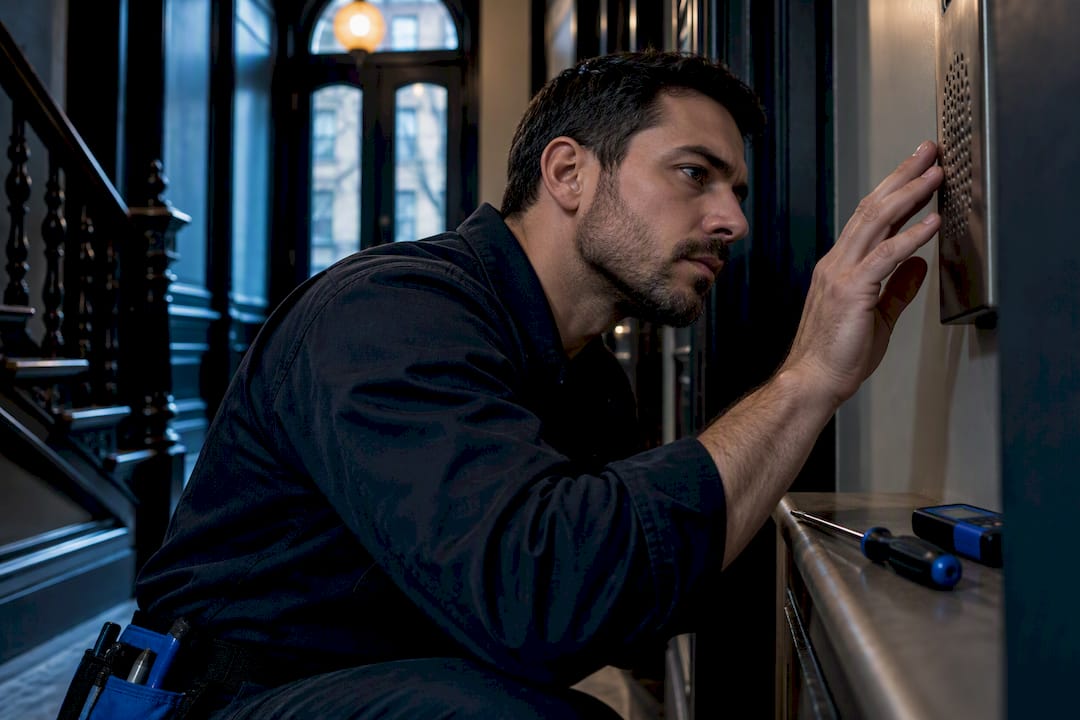
Welcome to a practical, easy-to-understand guide for anyone dealing with security cameras offline and wondering what went wrong. Whether you’re a homeowner worried about safety or a business owner relying on surveillance for protection, a camera offline issue can feel frustrating and risky. In this article, we’ll break down the most common causes—such as network issues, power loss, and lack of maintenance—walk you through simple troubleshooting steps, and explain when professional CCTV troubleshooting or security camera repair in NYC is the smarter solution. No technical jargon, no guesswork—just clear answers to help you get your cameras back online and your peace of mind restored.
Security cameras go offline due to network issues, power loss, outdated firmware, or lack of regular maintenance. Common fixes include checking the internet connection, restoring power, restarting the camera, updating software, and performing basic CCTV troubleshooting. If problems persist, professional security camera repair may be required.
What Does “Security Camera Offline” Actually Mean?
When a security camera shows an “offline” status, it means the camera is no longer communicating with the network, app, or monitoring system it relies on. For homeowners and business owners, this message can feel concerning, but in many cases, the issue is temporary and easily resolved. Understanding what “offline” actually means helps you respond correctly instead of assuming the camera has failed completely.
Simple Explanation for Non-Technical Readers
A security camera is considered offline when it cannot send video, alerts, or system data to the app or recording device. This usually happens when the camera loses its internet connection, power source, or software connection. Even though the camera may still be mounted and powered, it cannot be accessed remotely until the issue is fixed.
In most situations, an offline camera is experiencing a connection or power-related problem rather than a hardware defect.
Difference Between Offline and Disconnected
Although the terms sound similar, they describe different situations and require different solutions.
- Offline: The camera is powered on but cannot communicate with the network or app. This is often caused by Wi-Fi problems, router issues, or temporary service outages.
- Disconnected: The camera has lost its physical or wireless connection entirely. This may happen due to unplugged cables, drained batteries, damaged wiring, or incorrect setup.
Recognizing the difference helps determine whether the issue can be fixed through network troubleshooting or requires physical inspection.
Offline vs Recording but Not Viewable
Another common concern is whether an offline camera is still capturing footage.
- Offline but recording: Some cameras continue recording locally to an SD card or DVR even when they are offline. Live viewing and remote access are unavailable, but footage is still being saved.
- Offline and not recording: Cloud-based or internet-dependent cameras may stop recording entirely when they lose connectivity.
Knowing which type of system you have helps you assess whether your security coverage is interrupted or simply inaccessible.
Why “Offline” Doesn’t Always Mean Permanent Failure
An offline message does not automatically mean your camera is broken or needs replacement. In many cases, the cause is temporary, such as network instability, brief power loss, outdated firmware, or missed maintenance. Once these issues are corrected, the camera typically reconnects without further problems.
However, if a camera frequently goes offline, it may point to ongoing issues like unreliable internet, aging equipment, or neglected system upkeep. Addressing these early can prevent larger failures and keep your security system dependable.
Why Are My Security Cameras Offline? Common Causes Explained
When security cameras go offline, it is rarely random. In most cases, the issue can be traced back to a small number of common causes related to connectivity, power, hardware, or software. Understanding why security cameras offline problems happen makes it easier to troubleshoot the issue quickly and decide whether a simple fix or professional help is needed.
Network Issues (Most Common Cause)
Network-related problems are the leading reason security cameras go offline, especially for modern systems that rely on Wi-Fi or internet connectivity to function properly.
- Weak or unstable Wi-Fi: If the camera is too far from the router or blocked by walls, furniture, or floors, the signal may drop intermittently, causing the camera to disconnect.
- Router or modem issues: Routers that are outdated, overheating, or improperly configured can struggle to maintain stable connections for security devices.
- ISP outages: Even temporary service interruptions from your internet provider can make cameras appear offline until the connection is restored.
- Network congestion from multiple devices: Streaming, video calls, smart TVs, and other connected devices can overload the network and push security cameras offline.
- Interference in apartments, offices, and multi-unit buildings: In dense environments, overlapping Wi-Fi signals from nearby units often interfere with camera connections.
Network issues are especially common in urban areas like NYC, where buildings are close together, Wi-Fi networks overlap, and internet infrastructure varies by property. These factors make stable connectivity a frequent challenge for both homes and businesses.
Power Loss or Power Supply Problems
Power-related issues are another major reason security cameras offline alerts occur, and they are often overlooked during initial troubleshooting.
- Power outages or surges: Even brief outages or voltage fluctuations can disrupt cameras and force them offline until they fully reboot.
- Loose or damaged power cables: A slightly unplugged cable or worn wiring can cause intermittent power loss that appears as random disconnections.
- Dead or failing batteries (wireless cameras): Battery-powered cameras may go offline suddenly when battery levels drop faster than expected.
- Faulty power adapters: Defective adapters may supply inconsistent power, leading to repeated offline issues.
It is important to note that cameras do not need to lose power for long to appear offline. Even a momentary interruption can break the connection and require manual resetting or reconnection.
Camera Hardware Or Firmware Issues
Sometimes the issue is not the network or power source, but the camera itself. Hardware and firmware problems tend to appear as systems age or go without maintenance.
- Overheating: Cameras exposed to heat, direct sunlight, or poor ventilation may shut down temporarily to protect internal components.
- Aging cameras: Older devices can struggle to keep up with newer software and network standards.
- Outdated firmware: Without updates, cameras may experience bugs, security issues, or compatibility problems that cause offline errors.
- Internal component failure: Wear and tear over time can lead to failing sensors, boards, or connectors inside the camera.
These issues often become more frequent the longer a system goes without inspection or updates.
App Or Software Errors
Even when hardware and connectivity are working correctly, software problems can still cause security cameras to appear offline.
- App update conflicts: New app versions may introduce temporary bugs or compatibility issues.
- Login or sync problems: Incorrect credentials or failed synchronization between the app and camera can disrupt access.
- Cloud service disruptions: If the camera relies on cloud servers, temporary service outages can affect live viewing and status updates.
In many cases, these errors are resolved by updating software, restarting the app, or re-syncing the device.
How to Fix a Camera Offline Issue (Step-by-Step Troubleshooting Guide)
A camera offline issue can disrupt your security and leave you unsure where to start. The best approach is to follow a clear, step-by-step process that addresses the most common causes first. With proper CCTV troubleshooting, many offline problems can be resolved without advanced technical knowledge.
Step 1 – Check For Power Loss First
Power interruptions are one of the most frequent reasons security cameras go offline. Even a short outage or loose connection can prevent the camera from reconnecting properly.
- Confirm power source: Check that the camera is securely plugged into a working outlet or power adapter. Inspect cables for damage or loose connections.
- Replace batteries if needed: Battery-powered cameras often go offline when batteries are low or degraded. Replace them with fresh, compatible batteries.
- Power-cycle the camera: Turn off the camera or unplug it for 30 to 60 seconds, then restore power to refresh the system.
Step 2 – Diagnose Network Issues
Network problems are another major cause of recurring camera offline issues, especially in homes or buildings with multiple connected devices.
- Test Wi-Fi speed and stability: Use a speed test near the camera’s location to ensure the signal is strong and consistent.
- Restart modem and router: Power-cycling your internet equipment can resolve temporary connection errors that affect camera connectivity.
- Move the camera closer to the router: Reducing distance and physical obstructions can significantly improve signal strength.
- Consider wired connections where possible: Ethernet connections offer greater stability and can reduce offline incidents for essential cameras.
Step 3 – Restart And Reconnect The Camera
Sometimes the issue is a temporary software or sync problem that can be resolved with a simple restart.
- Why rebooting often resolves temporary offline errors: Restarting clears system memory and allows the camera to reconnect cleanly to the network.
- Re-syncing the camera with the app: Remove the camera from the app and add it again following the setup instructions to restore proper communication.
Step 4 – Update Firmware And Apps
Outdated software can lead to compatibility issues that cause cameras to go offline repeatedly.
- Importance of software updates: Updates include security improvements, bug fixes, and performance enhancements that keep the system reliable.
- How outdated firmware contributes to offline issues: Older firmware may struggle to work with newer apps or network settings, leading to frequent disconnections.
Step 5 – Reset The Camera (Only If Necessary)
A factory reset should only be done after all other troubleshooting steps have been exhausted.
- When factory resets make sense: Resetting is appropriate if the camera will not reconnect despite power, network, and software checks.
- Risks and data loss considerations: A reset removes saved settings and configurations, so the camera will need to be set up again from the beginning.
By following these steps in order, you can resolve most camera offline issues efficiently and avoid unnecessary frustration. Regular maintenance and basic CCTV troubleshooting go a long way in keeping your security system reliable. If problems persist after these steps, seeking professional support can help restore consistent performance and long-term peace of mind.
CCTV Troubleshooting For Wired And Commercial Camera Systems
Wired CCTV and commercial camera systems are built for reliability, but when something goes wrong, the symptoms can feel sudden and confusing. One minute everything looks normal, and the next you have a blank feed, cameras dropping offline, or recordings that stop without warning. This section breaks down practical CCTV troubleshooting steps for the most common causes in wired and business-grade setups, including network issues, power problems, and maintenance-related failures, so you can quickly narrow down what’s happening and decide whether it’s a simple fix or a job for a technician.
Network Issues In CCTV Systems
Most modern commercial systems use IP cameras connected to a network through a switch, router, or NVR. When that network layer becomes unstable or misconfigured, cameras can appear offline, streams can freeze, and playback may fail even if the cameras still have power. Good CCTV troubleshooting starts by confirming the network is stable and that the cameras are properly communicating with the NVR and viewing device.
- IP camera network conflicts:
Network conflicts happen when multiple devices compete for the same resources or settings. This often shows up after adding a new camera, swapping a router, expanding a system, or plugging cameras into a different switch. The most common sign is intermittent connectivity, where cameras appear online and then drop, or certain cameras load while others fail. To troubleshoot, confirm the camera count and bandwidth match what your network can handle, and check whether the NVR and cameras are operating on the same subnet. - Switch or router failures:
A weak link in the network can take down an entire group of cameras at once. If multiple cameras connected to the same switch suddenly go offline, the issue is often the switch, its power adapter, or a damaged uplink cable. If cameras across the property lose remote access but still record locally, the router or internet gateway may be failing. A practical test is to identify patterns such as all cameras on one floor dropping together, which typically points to a switch or uplink issue rather than individual camera failure. - IP address mismatches:
IP address problems are one of the most frequent causes of commercial camera downtime. This can happen when cameras are set to a static IP that no longer fits your network, when a router change shifts the DHCP range, or when two devices end up with the same IP address. Symptoms include cameras that appear offline in the NVR, cameras that can be reached sometimes but not consistently, or a system that works on-site but not remotely. A clean fix is to standardize how addresses are assigned, verify that each camera has a unique IP, and ensure the NVR is pointed to the correct address for each channel.
Power Loss And Electrical Problems
If network settings are correct but cameras still fail, power is the next place to look. Wired CCTV systems rely on consistent voltage, and even small fluctuations can cause reboots, unstable video, or cameras dropping offline. Power-related CCTV troubleshooting is often about finding the exact point where voltage becomes unreliable.
- Power supply unit (PSU) failures:
A failing PSU can make cameras behave unpredictably. You might see cameras flicker, reboot, or go offline during heavier loads such as nighttime infrared activation. In multi-camera systems, a single power supply may feed multiple cameras, so one weak PSU can cause several cameras to drop together. If the system uses a centralized power box, check whether the affected cameras share the same power channel, and inspect for heat damage, loose terminals, or worn power adapters. - Voltage drops:
Voltage drop is common in longer cable runs and older buildings. When voltage drops below what the camera requires, you may get video loss, rolling images, or cameras that go offline during peak use. This issue shows up more in commercial spaces with long distances between cameras and the equipment room, or where power cables and video cables have been extended over time. A practical troubleshooting step is to compare which cameras fail most often and whether those cameras are the farthest from the power source. - Surge damage:
Power surges can damage cameras, NVRs, switches, and even the ports they connect to. The tricky part is that surge damage does not always cause immediate failure. It can weaken components, leading to recurring outages, unstable feeds, or ports that stop negotiating a network connection. If the system started failing after a storm, electrical event, or repeated breaker trips, include surge damage in your CCTV troubleshooting checklist and inspect for burned ports, unusual heat, or devices that no longer power consistently.
Maintenance-Related CCTV Failures
Many camera problems are not caused by one big event. They build up slowly over time, especially in busy commercial environments where equipment runs nonstop. Routine maintenance is not just about cleanliness. It is a reliability practice that prevents minor wear from turning into system downtime.
- Dust buildup:
Dust can clog vents, trap heat, and reduce the lifespan of cameras, NVRs, and network equipment. In warehouses, restaurants, and mechanical rooms, buildup can be severe enough to cause overheating and random restarts. If cameras drop offline more often during warm hours or when equipment rooms feel hot, dust-related overheating becomes a likely culprit. Cleaning intake vents, ensuring airflow, and keeping hardware off the floor can significantly reduce avoidable outages. - Loose connectors:
Wired systems depend on stable physical connections. Over time, vibration, foot traffic near cable paths, or constant maintenance work around ceilings can loosen connectors. This creates intermittent failures that look like network problems but are actually physical. A helpful troubleshooting approach is to gently test connections at the camera end, patch panel, and NVR or switch end, especially if outages are isolated to one camera or one area. - Aging cables:
Cables degrade with time, especially when exposed to heat, moisture, tight bends, or poor installation practices. Cracked insulation, corroded ends, and stretched runs can cause signal loss or power instability. In commercial CCTV troubleshooting, cable issues are often behind problems that keep returning even after camera replacements. If a camera has been replaced but the same channel continues failing, the cable path should be treated as the main suspect. - Lack of routine inspections:
Commercial camera systems are often installed and then forgotten until something breaks. Without periodic checks, minor issues like loose terminations, overheating hardware, or firmware that needs updates can quietly grow into major outages. A simple quarterly inspection schedule can catch small problems early, improve system uptime, and reduce emergency repair costs.
To wrap up, effective CCTV troubleshooting for wired and commercial camera systems comes down to three core areas: network stability, consistent power, and regular maintenance. When you methodically check each layer instead of guessing, you can identify the true cause faster and avoid repeat failures. If you’ve tried the basics and the same issues keep coming back, that’s usually the sign to bring in a professional who can test the network, measure power levels, and inspect cabling end-to-end.
How Lack Of Maintenance Causes Security Cameras To Go Offline
Security cameras are often installed with the expectation that they will work indefinitely, but like any electronic system, they require regular care to stay reliable. When routine maintenance is neglected, small issues can quietly build up until cameras start disconnecting, failing to record, or showing an offline status at the worst possible time.
Why Routine Maintenance Is Often Overlooked
Many homeowners and business owners assume security cameras are a “set it and forget it” solution. Once the system is installed and working, maintenance rarely feels urgent because problems are not always visible right away. Cameras may appear to function normally even while underlying issues such as outdated software or loose connections slowly develop. In busy environments, especially commercial properties, maintenance is also pushed aside in favor of more immediate operational tasks.
Another reason maintenance is overlooked is a lack of awareness. People often do not realize that firmware updates, power checks, and cable inspections are essential for preventing camera offline issues. As a result, maintenance is delayed until the system stops working altogether.
Common Maintenance Mistakes
Failing to maintain a security camera system usually comes down to a few recurring mistakes that can significantly increase the risk of cameras going offline.
- Ignoring Firmware Updates:
Firmware updates are designed to fix bugs, improve performance, and maintain compatibility with apps and networks. When updates are skipped, cameras may struggle to stay connected, experience software conflicts, or lose support from the manufacturer. Over time, outdated firmware becomes one of the most common causes of recurring camera offline issues. - Not Checking Cables Or Mounts:
Cables and mounts are exposed to movement, weather, and general wear. Loose Ethernet cables, frayed power cords, or shifting mounts can interrupt power or data flow without being immediately obvious. Even a slightly loose connection can cause cameras to disconnect intermittently, making the issue difficult to diagnose without a physical inspection. - Failing To Test Backup Power:
Backup batteries and power supplies are critical during outages, yet they are rarely tested. Batteries degrade over time, and backup systems may fail silently until they are needed. When a power outage occurs and the backup system does not function, cameras go offline and may not reconnect properly once power is restored.
How Preventive Maintenance Reduces Offline Incidents
Preventative maintenance helps identify and fix small issues before they disrupt the entire system. Regular checks ensure cameras stay updated, securely connected, and properly powered. By addressing potential problems early, maintenance reduces unexpected downtime and extends the lifespan of the equipment.
A simple maintenance routine can significantly lower the chances of cameras going offline. This includes keeping firmware current, inspecting cables and mounts, testing backup power sources, and periodically restarting the system to refresh connections. For larger systems, professional inspections add an extra layer of reliability by catching issues that may be missed during basic checks.
When Should You Call a Professional Security Camera Technician?
Security camera issues are not always a sign of a broken system, but there are situations where do-it-yourself fixes are no longer enough. Knowing when to call a professional can save you time, prevent further damage, and ensure your security system is working reliably when it matters most.
Repeated Offline Issues
If your security cameras keep going offline even after basic troubleshooting, this is usually a sign of an underlying problem that requires expert attention. Repeated camera offline issues often point to deeper network, power, or hardware concerns that are not obvious at first glance.
- Network instability: Chronic Wi-Fi interference, improper network configuration, or failing routers can cause cameras to disconnect repeatedly.
- Hidden hardware problems: Aging components, internal camera faults, or damaged cables may not be visible but can disrupt connectivity.
- Firmware or system conflicts: Ongoing software-related issues may require advanced diagnostics or reconfiguration.
A professional technician can identify the root cause instead of relying on trial-and-error fixes.
Multiple Cameras Failing Simultaneously
When more than one camera goes offline at the same time, the issue is rarely limited to a single device. This situation often indicates a system-wide failure that should be addressed immediately.
- Central network failure: Router, switch, or modem issues can affect all connected cameras at once.
- Power distribution problems: A single faulty power supply or surge can disrupt multiple cameras.
- Recorder issues: Problems with DVRs or NVRs can cause all cameras to appear offline even if they are powered.
Professionals have the tools to quickly isolate whether the issue lies with power, networking, or recording equipment.
Commercial Or Multi-Camera Systems
Commercial properties and larger installations are more complex than residential setups and usually require specialized knowledge. Calling a professional is strongly recommended when dealing with business or multi-camera systems.
- Complex network configurations: IP cameras, VLANs, and managed switches require advanced setup and troubleshooting.
- Business security risks: Downtime can expose your property, employees, and customers to unnecessary risk.
- Compliance requirements: Commercial systems may need to meet specific security or data retention standards.
A trained security camera technician ensures your system is repaired correctly and operates at a professional level.
Safety Concerns During Troubleshooting
Some security camera problems involve risks that should not be handled without proper training. Safety should always come first when working with electrical or elevated equipment.
- Electrical hazards: Faulty wiring, power supplies, or exposed cables can cause injury or equipment damage.
- Hard-to-reach installations: Cameras mounted high on walls, ceilings, or outdoors may require ladders or special tools.
- Risk of system damage: Incorrect handling can permanently damage cameras or void warranties.
Professionals are equipped to troubleshoot safely while protecting both you and your equipment.
Security Camera Repair NYC – What Homeowners And Businesses Should Know
Security camera issues in New York City are often more complicated than in other locations. High-density living, aging buildings, and shared infrastructure can all affect how well surveillance systems perform. For both homeowners and businesses, understanding these local challenges makes it easier to decide when professional security camera repair NYC services are the right solution.
Why Network Issues Are Worse In NYC Properties
Network-related problems are one of the most common reasons security cameras fail in NYC. The city’s crowded digital environment places extra strain on wireless and wired connections.
- Dense Wi-Fi environments: Apartment complexes and commercial buildings often have dozens of overlapping Wi-Fi signals. This congestion causes interference that can weaken camera connections, leading to frequent disconnections or cameras showing as offline.
- Older infrastructure: Many NYC buildings were not designed with modern networking in mind. Thick walls, outdated cabling, and limited access points can prevent cameras from maintaining a stable connection.
- Shared internet networks: In buildings with shared internet access, bandwidth is divided among multiple users. During peak usage hours, security cameras may lose priority and drop offline.
Power Loss Challenges In NYC Buildings
Power-related issues are another major contributor to camera downtime in urban environments. Even brief interruptions can disrupt security systems.
- Older electrical systems: Aging wiring and electrical panels may deliver inconsistent power, increasing the likelihood of cameras shutting down or malfunctioning.
- Power fluctuations: Voltage spikes or drops are common in densely populated areas and can cause cameras to reboot unexpectedly or fail to reconnect.
- Building-wide outages: Scheduled maintenance or unexpected outages can leave cameras offline for extended periods unless backup power solutions are in place.
Benefits Of Hiring A Local NYC Camera Repair Expert
When camera problems continue despite basic troubleshooting, a local professional can provide targeted solutions that address NYC-specific challenges.
- Faster diagnostics: Local technicians are familiar with common issues affecting NYC properties, allowing them to identify and resolve problems more efficiently.
- Local building knowledge: Experience with apartments, brownstones, retail spaces, and high-rise buildings helps ensure repairs are tailored to the property’s structure and infrastructure.
- Long-term maintenance planning: A local expert can recommend upgrades and maintenance strategies that prevent recurring issues and improve overall system reliability.
Keeping security cameras reliable in New York City requires an understanding of both technology and the local environment. With the right approach and professional support when needed, homeowners and businesses can maintain consistent surveillance and long-term peace of mind.
How To Prevent Security Cameras From Going Offline In The Future
Preventing security cameras from going offline is far easier than fixing the problem after it happens. Most offline issues stem from unstable networks, power interruptions, or inconsistent maintenance. Taking a proactive approach helps keep your cameras reliable and reduces the risk of unexpected security gaps.
Strengthen Network Reliability
A strong and stable network connection is essential for keeping security cameras online. When connectivity is weak or overloaded, cameras may disconnect frequently, especially in properties with multiple connected devices.
- Mesh Wi-Fi systems: These systems use multiple access points to deliver consistent coverage throughout your property. Mesh Wi-Fi is ideal for eliminating dead zones and improving connectivity for cameras placed outdoors or far from the main router.
- Dedicated camera networks: Assigning cameras to a separate network prevents interference from phones, computers, and smart home devices. This ensures cameras receive consistent bandwidth and remain connected during high internet usage.
- Hardwired connections: Ethernet connections provide the most stable and interference-free option. Hardwired cameras are less likely to experience signal drops, making them ideal for businesses or high-security environments.
Prevent Power Loss Issues
Power-related disruptions are a common cause of cameras going offline. Even brief outages can interrupt camera operation and prevent systems from reconnecting properly.
- Backup batteries: Backup batteries allow cameras to continue operating during short power outages. For wireless systems, replacing batteries regularly ensures uninterrupted performance.
- UPS systems: Uninterruptible Power Supply units provide temporary power to cameras, routers, and recording equipment. A UPS helps maintain system stability and prevents sudden shutdowns.
- Surge protectors: Surge protectors shield camera equipment from voltage spikes that can damage hardware. Protecting your system from electrical surges helps extend the lifespan of cameras and power adapters.
Create A Simple Maintenance Routine
Routine maintenance plays a critical role in preventing cameras from going offline. Small issues can escalate if left unchecked, leading to avoidable system failures.
- Monthly visual checks: Inspect cameras, cables, and mounts for loose connections, wear, or physical damage. Early detection prevents sudden disconnections.
- Quarterly firmware updates: Keeping firmware up to date improves performance, fixes bugs, and reduces compatibility issues that can cause offline errors.
- Annual professional inspections: A professional inspection ensures all components are working correctly. Technicians can identify network, power, or hardware issues before they disrupt your system.
By strengthening network reliability, safeguarding against power loss, and maintaining a consistent maintenance routine, you can greatly reduce the chances of your security cameras going offline. These preventive steps help keep your system dependable and your property protected year-round.
Still dealing with cameras that keep going offline? Don’t leave your home or business unprotected. If you’re in NYC and need fast, reliable help, our experienced technicians specialize in diagnosing network issues, resolving power problems, and providing professional CCTV troubleshooting and security camera repair. Visit our website today to schedule an inspection and get your security system back online—quickly, safely, and done right the first time.
FAQs: About Security Cameras Offline
- Why are my security cameras offline?
Security cameras usually go offline due to network issues, power loss, outdated firmware, or poor maintenance. Internet disruptions and electrical problems are the most common causes. - Does “security camera offline” mean it’s not recording?
Not always. Some cameras continue recording locally even when offline, but live viewing and cloud access may be unavailable until the connection is restored. - How do I fix a camera offline issue at home?
Start by checking power sources, restarting your router, rebooting the camera, and updating the app or firmware. These steps resolve most camera offline issues. - Can network issues cause security cameras to go offline repeatedly?
Yes. Weak Wi-Fi signals, router overload, or interference from other devices can cause cameras to disconnect frequently, especially in apartments or busy networks. - How does power loss affect security cameras?
Even brief power outages or loose cables can knock cameras offline. Wireless cameras may also go offline when batteries are low or failing. - When should I reset my security camera?
A factory reset should only be done after basic troubleshooting fails. Resetting erases settings and should be considered a last resort. - What is CCTV troubleshooting and when is it needed?
CCTV troubleshooting involves checking cables, power supplies, network settings, and recording devices. It’s needed when wired or multi-camera systems stop working properly. - How often should security cameras be maintained?
Basic maintenance should be done monthly, including checking connections and updates. Professional inspections are recommended at least once a year. - Why do security camera problems happen more often in NYC buildings?
NYC properties often experience dense Wi-Fi interference, older electrical systems, and shared internet connections, which can cause cameras to go offline more frequently. - When should I call a professional for security camera repair in NYC?
If cameras repeatedly go offline, multiple units fail at once, or troubleshooting doesn’t fix the issue, a professional technician can diagnose and repair the problem safely.
Conclusion
Security cameras going offline can feel stressful, but in most cases the issue comes down to a few common factors like network issues, power loss, or a lack of regular maintenance, all of which can often be addressed with the right approach. By understanding how your internet connection, power supply, and routine upkeep affect your system, you put yourself in a better position to act quickly and avoid prolonged security gaps. Proactive troubleshooting such as checking your network stability, ensuring consistent power, and keeping cameras updated can prevent many problems before they escalate. However, when offline issues become frequent, affect multiple cameras, or interrupt security for your home or business, it is often smarter and safer to seek professional assistance. If you are in NYC and dealing with recurring security camera offline issues, professional repair and maintenance can restore reliability, protect your property, and give you lasting peace of mind.