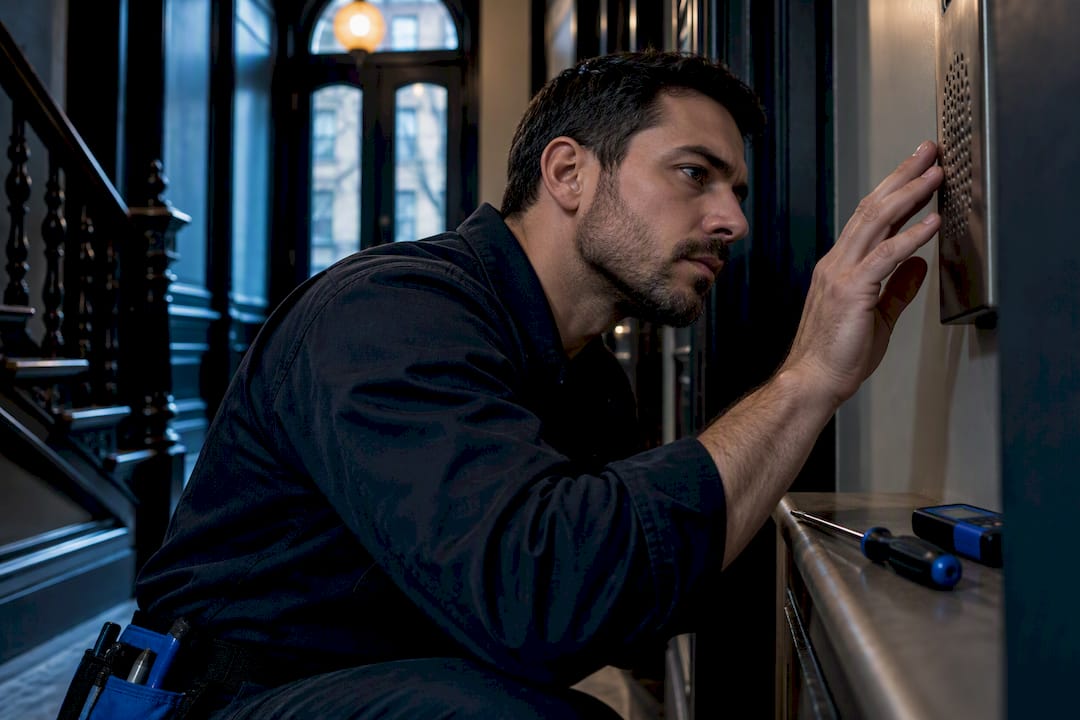
Welcome to your practical guide on how to reduce break-ins in NYC buildings and create a safer living environment for everyone inside. Whether you’re a renter, landlord, co-op board member, or property manager, protecting your apartment building from unauthorized access requires more than just a locked front door. In a city as dense and fast-moving as New York, effective building break-in prevention depends on layered security, smart access control, proper lighting, resident awareness, and proactive maintenance. This guide explains where NYC apartment buildings are most vulnerable, what security upgrades actually work, and how both residents and building owners can take realistic, affordable steps to strengthen apartment security in NYC without overcomplicating the process.
To reduce break-ins in NYC buildings, install controlled access systems, reinforce entry doors and locks, improve lighting, use properly placed surveillance cameras, and encourage residents not to allow unknown visitors inside. A layered security approach that combines building upgrades with resident awareness is the most effective way to prevent apartment break-ins.
Why Apartment Break-Ins Happen In NYC Buildings
Understanding why break-ins occur is the first step toward effective building break-in prevention. In New York City, apartment security challenges are shaped by density, building age, shared access points, and daily foot traffic. Most incidents are not sophisticated operations. They happen because someone spots an easy opportunity. When property owners and residents understand where vulnerabilities exist and how criminals typically gain entry, they can take practical steps to reduce break-ins in NYC buildings before problems escalate.
Common Entry Points In Multifamily Buildings
Multifamily properties naturally have more access points than single-family homes, which increases exposure. In my experience working with NYC buildings, security failures rarely stem from one dramatic weakness. They usually result from small, overlooked gaps that add up.
- Front Doors With Faulty Locks: The main entrance is the most targeted access point. Worn-out cylinders, loose strike plates, or doors that do not latch fully create easy entry. Even a high-quality lock fails if the door frame is weak or misaligned.
- Propped Doors And Tailgating: One of the most common issues in apartment security NYC buildings face is residents unintentionally allowing strangers inside. A delivery person, someone carrying groceries, or an individual pretending to be a visitor may follow a resident through the door without being verified.
- Package Rooms And Lobbies: With the volume of deliveries in NYC, unsecured package areas can become access points. If a delivery area connects directly to residential hallways and lacks controlled access, it creates an internal vulnerability.
- Fire Escapes And Ground-Floor Windows: Ground-level and lower-floor windows are often underestimated risks. Fire escapes can also provide vertical access to multiple floors if window locks are weak or missing.
- Basement Or Service Entrances: Utility entrances, garage access points, and maintenance doors are frequently overlooked during security audits. These secondary access areas often lack proper lighting or reinforced hardware.
Opportunistic Vs. Targeted Break-Ins
It is important to distinguish between opportunistic and targeted incidents. The majority of NYC building break-ins fall into the opportunistic category. That distinction matters because prevention strategies differ.
- Most NYC Building Break-Ins Are Crimes Of Opportunity: Many incidents occur when someone notices an unlocked door, a malfunctioning intercom, or a distracted resident. Criminals often test doors rather than force entry.
- How Predictable Routines Increase Vulnerability: Consistent delivery schedules, visible vacation patterns, or residents regularly buzzing in unknown visitors can signal easy access. Repetition creates patterns that bad actors exploit.
- Why Older Buildings Face Unique Risks: Many pre-war or older multifamily buildings were not designed with modern security systems in mind. Outdated buzzer systems, original door hardware, and minimal surveillance infrastructure increase exposure unless upgraded thoughtfully.
Urban-Specific Security Challenges
New York City presents unique apartment security challenges that differ from suburban environments. High population density and shared living spaces create natural friction points that require tailored solutions.
- High Foot Traffic: In busy neighborhoods, constant pedestrian movement makes it difficult to distinguish residents from non-residents. Buildings near transit hubs or commercial corridors experience elevated exposure.
- Shared Entrances: Multifamily buildings depend on communal entry points, elevators, and hallways. Every shared access space increases the importance of controlled entry systems and resident cooperation.
- Delivery Access: Food delivery, parcel services, and courier traffic are daily realities in NYC. Without clear protocols, frequent access requests can weaken building break-in prevention efforts.
- Limited Staffing In Smaller Buildings: Many walk-ups and smaller co-ops do not have doormen or full-time staff. This shifts responsibility to access control systems and resident vigilance.
Reducing break-ins in NYC buildings starts with recognizing these realities. Effective apartment security in NYC is not about installing one device or reacting after an incident. It requires understanding how urban living shapes risk and proactively strengthening the areas where vulnerabilities commonly occur.
Building-Level Security Upgrades That Actually Reduce Break-Ins
When it comes to reducing break-ins in NYC buildings, small cosmetic fixes are not enough. Real prevention starts at the building level with strategic upgrades that control access, reinforce physical entry points, and eliminate easy opportunities. In multifamily properties, especially in New York City where foot traffic is constant, security must be layered and intentional. The goal is not just to react after an incident but to remove vulnerabilities before they are exploited. The following upgrades are practical, proven, and widely recommended by security professionals who work with apartment buildings, co-ops, and rental properties throughout NYC.
Controlled Access Systems
Uncontrolled entry is one of the most common causes of apartment building break-ins. If anyone can enter the lobby without verification, everything beyond that point becomes vulnerable. Modern access systems significantly reduce this risk.
Key Fobs Vs. Traditional Keys
Traditional metal keys are inexpensive but difficult to control once distributed. In apartment security NYC environments, lost or copied keys are a frequent problem.
- Key duplication risk: Standard keys can be copied without the building’s knowledge, increasing unauthorized access over time.
- Limited accountability: There is no way to track who entered or when.
- Rekeying costs: When a key is lost, the entire system may need to be rekeyed for safety.
Key fobs, on the other hand, offer more control.
- Deactivation capability: Lost fobs can be disabled immediately without changing hardware.
- Access tracking: Many systems log entry activity, which can help identify security gaps.
- Scalability: Access can be restricted to specific doors or times for maintenance staff or vendors.
For most NYC buildings, key fob systems provide a measurable improvement in building break-in prevention compared to traditional keys.
Smart Access Control Systems
Smart access control systems take security a step further by allowing mobile credentials, cloud-based management, and real-time updates.
- Remote management: Property managers can grant or revoke access instantly without physical presence.
- Audit trails: Digital logs provide a clear record of entry activity.
- Integration capability: Systems can connect with cameras, alarms, and package room access.
In my experience working with multifamily buildings, properties that implement smart access control see a noticeable reduction in unauthorized entry incidents within the first year.
Intercom Systems With Video Verification
Audio-only intercom systems are common in older NYC buildings, but they rely heavily on trust. Video-enabled intercoms allow residents to see who is requesting access.
- Visual confirmation: Residents can verify identity before unlocking doors.
- Delivery management: Video reduces the risk of letting in unknown individuals posing as couriers.
- Deterrence factor: Visible video intercom panels signal upgraded security.
This simple addition strengthens the apartment security that NYC buildings depend on.
Why Outdated Buzzer Systems Are Risky
Older buzzer systems are one of the weakest links in building security.
- Easy social engineering: Individuals can claim to be delivery drivers or visitors and gain entry.
- No tracking: There is no record of who was buzzed in.
- Wear and malfunction: Aging systems often fail to close or latch properly.
Upgrading outdated buzzer systems is often one of the fastest ways to reduce break-ins NYC buildings.
Upgrading Door And Lock Hardware
Even the best access system fails if the physical door can be forced open. Hardware reinforcement is one of the most cost-effective security improvements available.
High-Security Cylinder Locks
Standard locks are vulnerable to picking, bumping, and forced entry.
- Restricted keyways: High-security cylinders prevent unauthorized duplication.
- Pick resistance: Advanced internal pin systems reduce tampering risk.
- Durability: Designed for heavy use in high-traffic buildings.
For building break-in prevention, upgrading to commercial-grade high-security cylinders is a foundational step.
Reinforced Strike Plates
Many forced entries occur not because the lock fails but because the strike plate tears away from the frame.
- Longer mounting screws: Anchoring into structural framing increases resistance.
- Heavy-duty steel plates: Distribute impact force more effectively.
- Low-cost upgrade: Provides significant strength improvement without major renovation.
This is one of the simplest and most overlooked security enhancements in NYC apartment buildings.
Self-Closing Door Mechanisms
Propped or partially closed doors create easy access points.
- Automatic closure: Ensures doors latch fully after each entry.
- Reduced tailgating risk: Limits the time doors remain open.
- Code compliance support: Many buildings require self-closing mechanisms for safety.
When properly adjusted, self-closing devices dramatically reduce unauthorized entry opportunities.
Anti-Pry Door Frames
Burglars often exploit weak door frames rather than locks.
- Reinforced frames: Prevent separation under force.
- Metal edge guards: Reduce prying leverage.
- Improved structural integrity: Strengthens the entire doorway system.
In high-density areas like NYC, reinforced frames are a smart long-term investment.
Surveillance Cameras Used Properly
Cameras are valuable, but only when installed strategically. Simply adding more cameras does not automatically reduce break-ins.
Where Cameras Should Be Installed
Effective placement targets high-risk areas.
- Primary entrances: Capture all individuals entering and exiting.
- Lobby and mail areas: Monitor package theft and loitering.
- Elevators: Track movement between floors.
- Secondary access points: Basement and side entrances often go unnoticed.
Coverage should focus on access control zones rather than hallways with minimal activity.
Why Placement Matters More Than Quantity
Poorly positioned cameras offer limited value.
- Clear facial visibility: Cameras should capture faces, not just the tops of heads.
- Adequate lighting: Even high-quality cameras perform poorly in dim conditions.
- Minimal blind spots: Strategic angles reduce areas of concealment.
Fewer well-positioned cameras often outperform numerous poorly placed ones.
Legal Considerations In NYC
Security installations must comply with privacy and housing regulations.
- No private area recording: Cameras should not be placed inside individual apartments or areas where privacy is expected.
- Clear notification: Buildings should inform residents of surveillance presence.
- Professional installation: Licensed installers ensure compliance with local building codes.
Working with experienced security providers ensures both effectiveness and regulatory compliance.
Importance Of Visible Signage As Deterrent
Visible security measures influence behavior.
- Psychological deterrent: Signage alerts potential intruders that monitoring is active.
- Reduced opportunistic crime: Criminals often avoid properties with obvious surveillance.
- Reassurance for residents: Visible systems improve perceived safety.
Deterrence is often just as important as evidence collection.
Lighting And Visibility Improvements
Lighting is one of the most powerful and affordable security tools available. Criminal activity thrives in poorly lit areas.
Motion-Activated Lighting
Motion lighting improves visibility without excessive energy use.
- Instant illumination: Surprises and exposes unauthorized individuals.
- Energy efficiency: Activates only when needed.
- Coverage for overlooked zones: Especially effective in alleys and rear entrances.
This upgrade is especially useful for buildings with limited budgets.
Well-Lit Entryways And Side Alleys
Entrances should be consistently bright and evenly lit.
- Clear visibility: Residents can identify visitors before opening doors.
- Camera enhancement: Proper lighting improves video quality.
- Eliminates hiding spots: Bright spaces discourage loitering.
Side alleys and rear access points are frequently neglected but should receive equal attention.
Removing Blind Spots
Security planning should include a walkthrough at night.
- Identify dark corners: Areas shielded by landscaping or structural features.
- Trim overgrowth: Shrubs and trees can create concealment zones.
- Reposition fixtures: Adjust angles to eliminate shadowed gaps.
In many NYC buildings, simple adjustments in lighting placement significantly reduce vulnerabilities without major investment.
Apartment Security NYC: What Individual Residents Can Do
Even in buildings with upgraded access control and surveillance, individual residents play a major role in preventing break-ins. Apartment security in NYC is strongest when building-level protections are paired with smart in-unit upgrades and everyday awareness. The good news is that most effective improvements are affordable, renter-friendly, and practical. Below are realistic steps residents can take to reduce risk without overcomplicating their living space.
Reinforcing Your Apartment Door
Your apartment door is the primary barrier between you and an intruder. In most NYC building break-ins, forced entry happens at the door rather than through complex lock picking. Strengthening this single entry point significantly improves your personal safety.
- Door jamb reinforcement kits: These kits reinforce the frame where the lock meets the strike plate. Many forced entries happen because the frame splinters under pressure, not because the lock fails. A reinforced strike plate anchored with longer screws distributes force across the frame and makes kick-ins much harder.
- Secondary locks where allowed: Always check your lease and building rules before installing anything permanent. Approved secondary options may include chain locks, swing bar locks, or surface-mounted deadbolts. These add an extra layer of resistance and are particularly helpful when you are home.
- Peepholes and door viewers: If your door does not have a viewer, request one from building management. A wide-angle peephole allows you to verify visitors without opening the door. This simple addition reduces the risk of social engineering tactics where someone claims to be a delivery person or maintenance worker.
- Smart locks for renters: Modern smart locks designed for renters can often be installed without drilling new holes. They allow remote locking, temporary access codes, and activity tracking. When properly installed on a solid door with reinforced hardware, smart locks add convenience while maintaining strong physical security.
The key takeaway is that the lock itself is only part of the equation. The strength of the frame, hinges, and surrounding structure matters just as much.
Window And Fire Escape Security
In NYC apartments, ground-floor units and apartments accessible by fire escape require additional attention. Windows are a common secondary entry point, especially in older buildings.
- Window guards that are code-compliant: In New York City, certain apartments are legally required to have window guards, especially where children live. Code-compliant guards should be professionally installed and securely anchored. They provide protection while still meeting safety standards.
- Adjustable security bars: For added reinforcement, adjustable bars can prevent windows from being opened beyond a safe limit. These should be selected carefully to ensure they do not violate fire safety regulations. Always prioritize emergency egress requirements when making modifications.
- Alarm sensors: Simple contact sensors connected to a basic alarm system can alert you if a window or balcony door is opened unexpectedly. Even standalone alarm devices that emit a loud sound can deter opportunistic intruders.
Fire escapes should never be blocked, but residents can ensure that windows leading to them are securely locked and reinforced. If you notice damaged locks or loose window frames, report them immediately to building management.
Safe Package Handling Strategies
Package theft may seem like a minor nuisance, but unsecured delivery areas can create access opportunities that lead to larger security issues. In many cases, individuals enter buildings under the pretense of delivering or retrieving packages.
- Secure package lockers: If your building offers locker systems, use them consistently. Locker systems reduce unattended deliveries in lobbies and make it harder for unauthorized individuals to linger unnoticed.
- Clear delivery instructions: Provide specific delivery instructions that minimize building access confusion. Avoid instructions that encourage drivers to leave packages in unsecured common areas.
- Understanding package theft as a gateway crime: Repeated package theft often signals weak building access control. If you notice recurring issues, raise concerns with management. Addressing small security gaps early can prevent more serious building break-ins later.
Reducing clutter in entryways and limiting unnecessary foot traffic helps maintain stronger overall apartment security in NYC buildings.
Everyday Habits That Prevent Break-Ins
Security technology is important, but consistent habits are just as powerful. Most NYC building break-ins occur because someone gained easy access rather than defeated advanced security systems.
- Do not buzz in strangers: Even if someone claims to be a delivery driver or visiting another unit, verify whenever possible. Allowing unknown individuals inside compromises the safety of everyone in the building.
- Avoid posting travel plans publicly: Sharing vacation plans in real time on social media signals that your apartment may be empty. If you post travel photos, wait until you return.
- Ensure entry doors close fully: Many apartment buildings rely on self-closing mechanisms. If you notice the door sticking or not latching properly, report it immediately. A propped or malfunctioning door is one of the most common vulnerabilities in NYC buildings.
- Report suspicious behavior early: Trust your instincts. If someone is repeatedly attempting access, loitering near entrances, or tampering with locks, notify building management or appropriate authorities. Early reporting prevents escalation.
Apartment security NYC residents can rely on does not require expensive upgrades alone. It requires attention, small improvements, and shared responsibility. When residents take proactive steps inside their units and support building-wide security practices, the risk of break-ins drops significantly.
Building Break-In Prevention For Landlords, Co-Ops, And Property Managers
Reducing break-ins in NYC buildings requires more than installing a camera and hoping for the best. For landlords, co-op boards, and property managers, building break-in prevention is about creating a structured, proactive system that reduces vulnerabilities before they turn into incidents. Multifamily buildings in New York face unique challenges, including high foot traffic, delivery access, aging infrastructure, and shared responsibility among residents. The most effective approach combines regular risk assessments, clear security policies, and collaboration with licensed professionals who understand NYC regulations and real-world building conditions.
Conducting A Security Risk Assessment
A security risk assessment is the foundation of effective apartment security in NYC. Without a clear understanding of where your building is vulnerable, upgrades become reactive and inefficient. A thorough assessment should be conducted at least annually, and always after any reported break-in or attempted intrusion.
Walkthrough Checklist
Start with a physical walkthrough of the entire property, ideally during both daytime and evening hours. You are looking for practical weaknesses, not theoretical ones.
- Entry Doors: Check whether all exterior doors close and latch automatically. Test them physically. If a door can be pulled open without a key or fob, it is a liability.
- Locks And Hardware: Inspect for loose strike plates, worn cylinders, or outdated locking mechanisms. Older hardware is often easier to force.
- Lighting: Evaluate visibility around entrances, side alleys, basements, and trash areas. Poor lighting creates concealment opportunities.
- Intercom Systems: Confirm that buzzers, cameras, and access controls are functioning properly. Broken systems often go unrepaired for months, which increases risk.
- Common Areas: Review hallways, package rooms, laundry areas, and storage spaces. These are frequent secondary targets once entry is gained.
The goal is to physically test security assumptions rather than relying on appearance alone.
Identifying Weak Access Points
In most NYC buildings, break-ins occur through predictable access points. Identifying these areas early allows for targeted improvements rather than unnecessary spending.
- Front Entrance Vulnerabilities: Outdated intercom systems, residents buzzing in unknown visitors, and doors that do not self-close are common issues.
- Service And Basement Entrances: These doors are often overlooked and may have older locks or minimal surveillance.
- Fire Escapes And Ground-Floor Windows: Especially in prewar buildings, these can be entry routes if not reinforced.
- Delivery Areas: Unsecured package rooms and unattended lobby drop-offs create both theft risk and unauthorized entry opportunities.
A layered security approach starts by strengthening these predictable weak spots.
Reviewing Past Incidents
Historical data provides valuable insight into patterns and repeat vulnerabilities.
- Incident Reports: Review any prior break-ins, attempted entries, or theft complaints within the building.
- Time And Location Patterns: Identify whether incidents occurred at certain entrances or times of day.
- Resident Feedback: Speak with tenants or shareholders about security concerns that may not have been formally reported.
- Local Crime Trends: Monitor neighborhood-level crime data to understand broader patterns affecting similar buildings.
Break-in prevention in NYC buildings improves dramatically when decisions are informed by real events rather than assumptions.
Creating A Resident Security Policy
Even the best physical upgrades will fail if residents undermine them. Apartment security in NYC is a shared responsibility, and clear expectations help eliminate avoidable risks. A written resident security policy does not need to be complicated, but it must be consistent and reinforced regularly.
Anti-Tailgating Reminders
Tailgating, when someone follows a resident into the building without authorization, is one of the most common causes of building break-ins.
- Clear Signage: Post visible reminders near entrances asking residents not to allow unknown individuals inside.
- Regular Communication: Send periodic reminders through email or building notices about access control expectations.
- Resident Education: Explain why tailgating increases risk and how small actions protect everyone.
The goal is to create a culture where residents understand that politeness should not override safety.
Visitor Protocols
Establishing visitor guidelines helps reduce unauthorized access.
- Verified Entry: Require residents to confirm guests before buzzing them in rather than opening doors automatically.
- Contractor Management: Ensure that service providers sign in when possible and access only authorized areas.
- Short-Term Rental Policies: If applicable, define rules clearly to prevent uncontrolled visitor traffic.
Consistency is critical. Inconsistent enforcement weakens the entire system.
Delivery Procedures
Package theft and unsecured deliveries often serve as indirect entry opportunities.
- Secure Package Rooms: Install controlled access or lockable storage solutions.
- Carrier Instructions: Coordinate with delivery providers to discourage unattended lobby drops.
- Overflow Management: During peak delivery seasons, increase monitoring or restrict lobby access when feasible.
Managing deliveries effectively supports both theft prevention and overall building break-in prevention.
Clear Reporting Channels
Residents should know exactly how to report suspicious behavior or security issues.
- Dedicated Contact Method: Provide a clear email address or phone number for security concerns.
- Response Protocol: Outline how management will respond and within what timeframe.
- Incident Transparency: Without violating privacy, communicate when security upgrades are made in response to concerns.
When residents feel heard, they are more likely to participate in maintaining building security.
Working With Licensed NYC Security Professionals
Security upgrades in New York City are not just about buying equipment online. Improper installation or non-compliant systems can create legal and insurance complications. Partnering with licensed NYC security professionals ensures that improvements are both effective and compliant.
Importance Of Licensed Installers
New York State regulates security system installation for good reason.
- Technical Expertise: Licensed professionals understand how to properly install access control systems, cameras, and reinforced hardware.
- System Integration: Experienced installers ensure that cameras, intercoms, and entry systems work together seamlessly.
- Liability Protection: Licensed providers reduce the risk of faulty installation that could compromise security.
Cutting corners with unqualified installers often leads to expensive corrections later.
Compliance With NYC Building Codes
Apartment buildings in NYC must comply with specific housing and safety regulations.
- Fire Code Considerations: Security measures cannot interfere with fire safety egress requirements.
- Accessibility Standards: Entry systems must meet accessibility guidelines where applicable.
- Housing Maintenance Codes: Certain locking and entry requirements are mandated for multifamily properties.
A professional familiar with local codes ensures that security upgrades do not inadvertently create violations.
Insurance Considerations
Insurance carriers increasingly evaluate building security measures when determining premiums and liability coverage.
- Premium Impact: Upgraded access control and surveillance systems may positively influence insurance terms.
- Documentation: Professional installation provides documentation that insurers may require.
- Post-Incident Protection: Properly maintained systems strengthen a building’s position in the event of a claim.
From a financial standpoint, proactive building break-in prevention is often less expensive than responding to a serious incident.
Common Mistakes NYC Buildings Make That Increase Break-In Risk
Even well-managed NYC apartment buildings often overlook small but critical security gaps. In my experience working with multifamily properties across the city, most building break-ins are not caused by sophisticated criminals. They happen because of preventable oversights, outdated systems, or a false sense of security. Understanding these common mistakes is one of the most effective ways to reduce break-ins in NYC buildings and build a truly secure environment for residents.
Relying Only On Cameras Without Access Control
Security cameras are one of the first upgrades buildings invest in, and while they are valuable, they are often misunderstood. Surveillance records what happens. It does not stop someone from walking through the front door.
Many NYC buildings install multiple cameras in the lobby and assume the problem is solved. The reality is that if entry points are not properly controlled, cameras become documentation tools rather than prevention tools.
- Deterrence Has Limits: Visible cameras may discourage some opportunistic criminals, but they do not physically prevent entry.
- No Barrier To Access: If the main entrance lock is weak or residents routinely buzz in strangers, cameras cannot stop unauthorized access.
- Delayed Response: Footage is often reviewed after an incident, which means damage has already occurred.
Effective building break-in prevention requires layered security. Cameras should complement controlled access systems such as key fobs, mobile entry credentials, or modern video intercoms. When someone cannot enter the building without authorization, the risk drops significantly.
Ignoring Small Maintenance Issues
In New York City buildings, small maintenance problems are often dismissed as minor inconveniences. From a security standpoint, they are vulnerabilities. I have seen more break-ins occur because of neglected repairs than because of complex security failures.
Broken Locks
A worn or poorly installed lock makes forced entry much easier than most residents realize.
- Loose Strike Plates: Screws that are too short or stripped reduce door resistance during forced entry.
- Worn Cylinders: Older locks become easier to pick or bump over time.
- Misaligned Doors: When a door does not latch properly, it may appear closed but is not actually secured.
Routine inspection and timely replacement of door hardware is one of the most cost effective ways to improve apartment security in NYC buildings.
Malfunctioning Intercoms
An intercom that cuts out, buzzes unpredictably, or fails to transmit video creates pressure on residents to let people in without verification.
- Convenience Over Security: Residents often default to buzzing visitors in if the system is unreliable.
- Unverified Entry: Delivery personnel and unknown individuals gain access without confirmation.
- Reduced Accountability: Older systems do not log entry activity.
Modern intercom systems with video verification and mobile integration dramatically reduce these risks while maintaining convenience.
Propped Doors
Propped doors are one of the most common and most preventable causes of building break-ins in NYC.
- Delivery Volume: Frequent package deliveries increase temptation to leave doors open.
- Broken Door Closers: A faulty closer prevents doors from shutting securely.
- Resident Habits: Tailgating and courtesy holds undermine controlled entry systems.
Clear resident communication combined with functional self-closing mechanisms and signage can significantly reduce this issue.
Delaying Security Upgrades Until After An Incident
Many buildings only invest in security improvements after a break-in has already occurred. This reactive mindset is understandable but costly.
Proactive security planning focuses on prevention rather than response. Once an incident happens, the building may face property damage, insurance claims, resident dissatisfaction, and reputational harm.
- Higher Long-Term Costs: Emergency upgrades often cost more than planned improvements.
- Increased Liability: Failure to address known vulnerabilities can expose owners to legal risk.
- Resident Turnover: Safety concerns drive renters and buyers away.
A proactive approach includes periodic security assessments, reviewing incident history, and updating outdated systems before they fail. Buildings that treat security as ongoing risk management rather than a one-time expense experience fewer incidents overall.
Installing Cheap, Non-Compliant Hardware
Budget constraints are real, especially for smaller buildings, but cutting corners on security hardware often creates larger problems.
Risks Of DIY Solutions
Improper installation can undermine even high-quality products.
- Incorrect Mounting: Poorly anchored strike plates or access panels weaken door integrity.
- Incompatible Systems: Mixing outdated wiring with new technology can create reliability issues.
- False Confidence: Residents assume they are protected when the system is improperly configured.
Security upgrades should be installed and tested by qualified professionals who understand multifamily building dynamics in NYC.
Code Violations
New York City has specific building and fire code requirements that must be followed when modifying entry systems or installing hardware.
- Fire Safety Compliance: Improper locking mechanisms can interfere with emergency egress.
- Accessibility Requirements: Entry systems must comply with applicable accessibility standards.
- Insurance Implications: Non-compliant installations may complicate claims after an incident.
Using compliant, professionally installed systems ensures that security improvements do not create new legal or safety risks.
How To Build A Layered Security Strategy (The Smart Approach)
If you want to truly reduce break-ins in NYC buildings, you cannot rely on a single solution. Cameras alone are not enough. A new lock by itself is not enough. Effective building break-in prevention works best when multiple security layers support one another. This approach is called layered security, and it is widely considered the most reliable way to strengthen apartment security in NYC. Each layer addresses a different vulnerability, making it harder for unauthorized individuals to gain access and easier to detect issues early.
Layer 1 – Perimeter Protection
Perimeter protection focuses on stopping unauthorized access before someone ever reaches an apartment door. In multifamily buildings, this layer is your first and most important line of defense.
Exterior Doors
Exterior entry points are the most common vulnerability in NYC apartment buildings. Many break-ins happen simply because doors do not close properly or locks are outdated.
- Reinforced door frames: Weak frames allow doors to be forced open even if the lock itself is strong. Installing reinforced strike plates and heavy-duty frames significantly increases resistance.
- Self-closing mechanisms: Doors that do not automatically close create easy access for tailgating or opportunistic entry.
- High-security lock cylinders: Standard locks are often vulnerable to picking or bumping. Upgraded cylinders with restricted key duplication add an extra layer of protection.
Routine inspections of exterior doors should be part of any building security plan. Small maintenance issues often lead to major vulnerabilities.
Lighting
Lighting is one of the simplest yet most overlooked security tools in building break-in prevention. Criminals prefer poorly lit areas where they are less visible.
- Well-lit entryways: Bright, consistent lighting around main entrances discourages unauthorized access.
- Motion-activated fixtures: These increase visibility while also drawing attention to unexpected movement.
- Elimination of blind spots: Side alleys, basement entrances, and parking areas should never remain dark.
Proper lighting improves safety and also increases the effectiveness of surveillance systems.
Visible Deterrents
Deterrence matters. When a building appears secure, it is less likely to be targeted.
- Clearly visible cameras: Cameras placed at entrances signal monitoring and accountability.
- Security signage: Signs indicating surveillance or controlled access act as psychological deterrents.
- Well-maintained property: A clean, maintained building communicates that management is attentive and proactive.
Visible deterrents do not replace physical security measures, but they significantly reduce opportunistic attempts.
Layer 2 – Controlled Entry
Controlled entry ensures that only authorized individuals can access the building beyond the perimeter. This is especially important in NYC apartment security, where high foot traffic increases risk.
Access Systems
Modern access control systems provide accountability and flexibility.
- Key fob systems: These prevent unauthorized key duplication and allow deactivation if a fob is lost.
- Mobile-based access control: Residents can grant temporary digital access without handing out physical keys.
- Audit trails: Electronic systems track entry times, which adds a layer of transparency and security.
Outdated buzzer systems often allow residents to remotely unlock doors without verifying who is entering, which creates unnecessary risk.
Intercom Verification
An effective intercom system adds an important verification step before granting entry.
- Video intercoms: Seeing a visitor before unlocking the door reduces the chance of unauthorized entry.
- Clear audio systems: Poor sound quality leads to guesswork, which increases vulnerability.
- Remote management options: Property managers can review and update access permissions efficiently.
Intercoms should be maintained regularly to ensure they function reliably.
Visitor Screening
Visitor management does not have to be complicated, but it must be consistent.
- Clear entry policies: Residents should understand when and how to allow guests inside.
- Delivery procedures: Secure package rooms or lockers reduce the need for delivery personnel to roam hallways.
- Temporary access protocols: Contractors and service providers should have time-limited access permissions.
When entry procedures are predictable and controlled, break-ins become significantly less likely.
Layer 3 – Individual Unit Security
Even in well-secured buildings, individual apartments need reinforcement. This layer protects residents directly.
Reinforced Doors
Apartment doors are often hollow-core or lightly reinforced, making them easier to force open.
- Door jamb reinforcement kits: These strengthen weak points around the lock area.
- Heavy-duty strike plates: Upgrading strike plates improves resistance to forced entry.
- Solid-core doors where permitted: Stronger materials increase protection.
These upgrades are often affordable and highly effective.
Smart Locks
Smart locks are increasingly common in NYC apartments, but they should be chosen carefully.
- Access control flexibility: Residents can revoke access without changing physical keys.
- Activity monitoring: Some systems log entry activity, increasing awareness.
- Secure installation: Professional installation reduces technical vulnerabilities.
Smart locks work best when combined with reinforced hardware rather than replacing traditional security features entirely.
Personal Vigilance
Technology alone cannot prevent break-ins. Personal awareness remains essential.
- Avoid buzzing in strangers: Even polite requests can lead to unauthorized access.
- Secure windows and fire escapes: Ground-level units and accessible fire escapes require extra attention.
- Discretion about travel plans: Publicly sharing extended absences increases risk.
Consistent habits reduce the likelihood of opportunistic crimes.
Layer 4 – Community Awareness
The final layer of apartment security in NYC is community engagement. A building where residents communicate and look out for one another is significantly safer than one where everyone remains isolated.
Resident Communication
Open communication channels help prevent small issues from escalating.
- Regular updates from management: Security reminders reinforce good habits.
- Shared guidelines: Clear policies about access and reporting reduce confusion.
- Accessible contact information: Residents should know who to notify about concerns.
Communication builds accountability and awareness.
Reporting Culture
Encouraging residents to report suspicious activity without hesitation creates a proactive environment.
- Simple reporting process: Easy methods such as email or a dedicated phone line encourage participation.
- No penalty for caution: Residents should feel comfortable reporting concerns even if they turn out to be minor.
- Follow-up transparency: Management should communicate when issues are addressed.
A strong reporting culture often prevents repeat incidents.
Shared Responsibility
Security is most effective when everyone understands their role.
- Resident participation: Following access protocols consistently.
- Management oversight: Maintaining hardware and updating systems.
- Collective vigilance: Looking out for unfamiliar activity in shared spaces.
When perimeter protection, controlled entry, individual unit reinforcement, and community awareness work together, the result is a comprehensive strategy that meaningfully reduces break-ins in NYC buildings. This layered approach is practical, scalable, and adaptable to both small apartment buildings and large multifamily properties, making it the smartest long-term solution for building break-in prevention.
When To Consider Professional Security Installation
Upgrading security in an NYC apartment building is not just about adding more cameras or replacing a lock. It is about identifying real vulnerabilities and correcting them before they turn into costly incidents. While some improvements can be handled through maintenance, there comes a point when professional security installation becomes the safer and smarter choice. Below are clear indicators that it may be time to move beyond temporary fixes and invest in a structured building break-in prevention strategy.
Signs Your Building Needs An Upgrade
Many NYC buildings operate with outdated systems that no longer match today’s security risks. Break-ins often occur not because there was no security at all, but because existing systems were insufficient or poorly maintained.
Common warning signs include:
- Frequent door malfunctions: Entry doors that do not close properly, broken self-closing mechanisms, or damaged strike plates create easy access points.
- Outdated intercom systems: Older buzzer systems allow residents to admit visitors without visual confirmation, increasing unauthorized entry.
- Recurring package theft: Stolen deliveries often signal weak lobby control and may escalate into more serious building security issues.
- Multiple lost or copied keys: Traditional keys can be duplicated without tracking, creating long-term access risks.
- Resident complaints about safety: When tenants consistently express concerns about suspicious activity or unsecured entrances, it should not be ignored.
If your building has experienced even one attempted or successful break-in, that is often a clear sign that vulnerabilities already exist. A proactive upgrade is almost always less expensive and less disruptive than responding after a serious incident.
Cost Vs. Risk Comparison
Many property owners hesitate to invest in professional apartment security upgrades because of upfront costs. However, evaluating security purely as an expense misses the bigger financial picture.
Consider the risk factors:
- Property damage costs: Repairs to doors, locks, windows, and common areas can quickly exceed the cost of preventative upgrades.
- Liability exposure: Inadequate building security can increase legal risk if negligence is claimed after an incident.
- Insurance premiums: Repeated claims or poor risk assessments may lead to higher insurance costs.
- Tenant turnover: Residents who feel unsafe are more likely to move, increasing vacancy and marketing costs.
When compared realistically, the cost of installing controlled access systems, reinforced entry hardware, or upgraded surveillance is often lower than the combined financial and reputational impact of a single break-in. Security should be viewed as risk management, not an optional enhancement.
Benefits Of A Professional Security Consultation
Professional security installation begins with a thorough assessment, not guesswork. An experienced security provider evaluates how people move through the building, where vulnerabilities exist, and which improvements will produce measurable results.
A consultation typically provides:
- Comprehensive vulnerability assessment: Identification of weak entry points, blind spots, lighting deficiencies, and hardware failures.
- Code compliance review: Assurance that upgrades meet NYC building codes and fire safety regulations.
- Customized recommendations: Solutions tailored to the building’s size, layout, resident profile, and budget.
- Layered security planning: Integration of access control, surveillance, lighting, and physical reinforcements into one cohesive strategy.
- Clear cost breakdown: Transparent pricing that allows property managers and co-op boards to plan responsibly.
An expert evaluation eliminates unnecessary spending on ineffective solutions. Instead of installing random upgrades, you implement targeted improvements that directly reduce break-ins in NYC buildings.
Long-Term ROI Of Break-In Prevention
Security improvements should be evaluated over years, not months. The long-term return on investment for building break-in prevention goes beyond financial savings.
Long-term benefits include:
- Reduced incident frequency: A properly designed layered security system deters opportunistic crime.
- Stronger resident retention: Tenants are more likely to renew leases in buildings where they feel protected.
- Increased property value: Well-maintained security infrastructure improves overall asset appeal.
- Lower insurance risk profile: Demonstrated preventative measures can positively influence underwriting assessments.
- Operational efficiency: Modern access control systems reduce key management headaches and administrative burden.
In a city like New York, where multifamily buildings experience constant foot traffic and delivery access, relying on outdated systems is a liability. Professional security installation transforms apartment security in NYC from reactive damage control into proactive protection.
If you’re serious about strengthening your building’s security, now is the time to take action before an incident forces your hand. Our team specializes in practical, code-compliant apartment security solutions designed specifically for NYC buildings, from access control upgrades to full security assessments. Visit our website to schedule a consultation and discover how a customized, layered security strategy can help protect your residents, your property, and your peace of mind.
FAQ: About Reducing Break-Ins Nyc Buildings
- What are the most common ways burglars enter NYC apartment buildings?
Most break-ins in NYC buildings happen through unsecured front entrances, propped doors, or by tailgating behind residents. Ground-floor windows, fire escapes, and poorly secured basement entrances are also common access points. Many incidents are opportunistic rather than highly planned. - How can apartment security in NYC be improved without major renovations?
Buildings can improve security by upgrading locks, installing self-closing door mechanisms, improving exterior lighting, and adding visible security cameras. Reinforcing strike plates and ensuring intercom systems function properly are cost-effective upgrades that significantly reduce vulnerability. - Are access control systems worth it for small NYC buildings?
Yes, even small multifamily buildings benefit from modern access control systems. Key fobs or mobile-based entry systems reduce unauthorized duplication of keys and create accountability. They also eliminate the risk of residents buzzing in unknown visitors. - Do security cameras actually prevent break-ins?
Security cameras are most effective as part of a layered strategy. While cameras alone may not physically stop entry, visible systems act as strong deterrents and help identify suspects if an incident occurs. Proper placement at entrances and common areas is essential. - What responsibilities do NYC landlords have regarding building security?
Landlords are generally required to provide basic security measures such as functioning locks and safe entry systems. Requirements may vary depending on building size and local housing codes. Proactively upgrading security can also reduce liability and insurance risks. - How can residents help prevent building break-ins?
Residents play a critical role by not allowing strangers to enter, ensuring doors close fully behind them, and reporting suspicious behavior quickly. Simple habits like avoiding package pileups and securing windows can make a meaningful difference. - What is a layered security strategy for apartment buildings?
A layered security approach combines perimeter protection, controlled entry systems, surveillance, proper lighting, and resident awareness. Instead of relying on one solution, multiple protective measures work together to reduce risk and deter criminal activity. - Are smart locks safe for NYC apartments?
Smart locks can be safe and effective when professionally installed and properly maintained. They offer advantages like remote access control and activity tracking, but should always be paired with reinforced door hardware for maximum protection. - How often should building security systems be inspected?
Security systems should be inspected at least annually, with routine checks on locks, intercoms, cameras, and lighting. Regular maintenance ensures small issues like broken door closers or faulty locks do not become serious vulnerabilities. - What is the most cost-effective way to reduce break-ins in NYC buildings?
The most cost-effective improvements typically include reinforcing door hardware, upgrading lighting, maintaining secure entry systems, and educating residents about security practices. These foundational steps provide strong protection without requiring large capital investments.
Conclusion
Reducing break-ins in NYC buildings is not about turning your property into a fortress, it is about taking smart, layered, proactive steps that close common security gaps before someone exploits them. The reality is that most apartment building break-ins are preventable when entry points are properly secured, outdated systems are upgraded, and residents understand their role in maintaining a safe environment. Securing main entrances with reinforced door hardware and reliable access control systems dramatically limits unauthorized entry, especially in buildings where tailgating or propped doors are common. Upgrading older intercoms, replacing worn locks, and ensuring doors fully latch every time they close can eliminate the small weaknesses that often lead to larger incidents. Improving lighting around entrances, hallways, basements, and exterior walkways increases visibility and deters opportunistic activity, while clearly placed surveillance cameras reinforce accountability. Just as important, encouraging resident participation through simple policies such as not buzzing in strangers and promptly reporting suspicious behavior creates a shared culture of security that strengthens the entire building. Waiting until after a break-in to address these issues is far more costly and stressful than taking preventative action now. If you want a clear understanding of where your building stands, consider requesting a free building security assessment or scheduling an apartment security consultation to identify vulnerabilities and prioritize practical upgrades. You can also download our comprehensive building break-in prevention checklist to evaluate your property step by step and take meaningful action today rather than reacting to a preventable incident tomorrow.