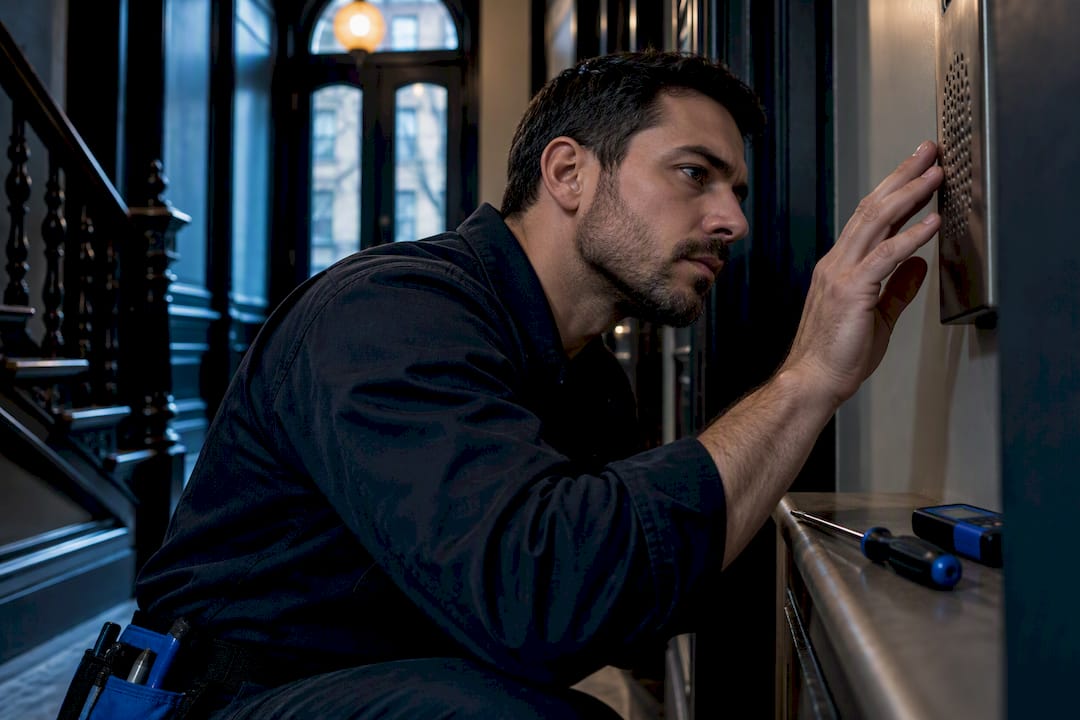
Welcome to your complete guide to professional security installation, where we break down everything you need to know about protecting your home or business with a properly designed and expertly installed security system. Whether you are considering CCTV cameras, alarm systems, or full property surveillance, understanding how professional installation works can help you avoid costly mistakes, improve coverage, and ensure long term reliability. In this guide, you will learn what professional security installation includes, how it compares to DIY systems, what costs to expect, and how to choose a qualified security installer in NYC or your local area so you can make an informed, confident decision about safeguarding what matters most.
Professional security installation is the expert setup of surveillance cameras, alarm systems, and access control equipment to ensure optimal placement, reliability, and compliance with safety standards. Unlike DIY systems, professional installation includes site assessment, strategic camera positioning, secure wiring, system configuration, and testing to maximize coverage, performance, and long-term protection.
What Is Professional Security Installation?
Professional security installation is the process of designing, configuring, and setting up a complete surveillance and protection system tailored to a specific property. It goes far beyond simply mounting cameras on walls. A qualified security installer evaluates risk, identifies vulnerabilities, selects the right equipment, and ensures every component works together reliably. Whether for a home or business, professional security installation focuses on long term performance, legal compliance, proper placement, and dependable operation under real-world conditions.
Unlike DIY systems that rely heavily on guesswork, professional installation is structured around a security plan. That plan considers building layout, lighting, network strength, storage needs, and potential future expansion. The goal is not just visibility but true protection and peace of mind.
What Does a Professional Security System Include?
A professionally installed security system is built in layers. Each layer serves a specific purpose, and when combined, they create comprehensive protection.
- CCTV Cameras (Indoor and Outdoor): These are strategically placed to eliminate blind spots and monitor entry points, high traffic areas, and vulnerable zones. Outdoor cameras are weather-rated and positioned to handle lighting shifts, while indoor cameras focus on interior movement and sensitive areas.
- Alarm Systems: Alarm panels connect door and window sensors, glass break detectors, and sirens. When triggered, they alert occupants and can notify monitoring centers or emergency services depending on configuration.
- Motion Sensors: These detect movement within designated zones. A professional installer calibrates sensitivity levels to reduce false alarms caused by pets, HVAC airflow, or lighting changes.
- Access Control Systems: Common in commercial properties, access control restricts entry to authorized individuals using keycards, fobs, PIN codes, or biometric authentication. This system logs entries and exits, adding accountability and security oversight.
- Video Doorbells and Intercom Systems: These allow property owners to see and communicate with visitors remotely. In residential buildings and multi-unit properties, intercom systems provide controlled entry and added convenience.
- Monitoring Services: Professional monitoring connects the system to a 24-hour response center. If an alarm is triggered, trained operators assess the situation and contact emergency services if necessary.
- Smart Integration: Modern professional security installation includes mobile app access, remote camera viewing, real-time alerts, and integration with smart home or building automation systems. Proper configuration ensures encrypted communication and secure remote access.
Each component is selected based on the property’s size, layout, risk level, and intended use. A reliable security installer will recommend equipment that fits actual needs rather than pushing unnecessary upgrades.
Residential vs Commercial Security Installation
Security needs vary significantly between homes and businesses. While both require protection, the scale, compliance requirements, and operational priorities differ.
For residential properties, the focus is typically on deterrence, awareness, and protection of family members and personal assets.
- Perimeter Coverage: Cameras are placed to monitor driveways, entrances, backyards, and side gates to prevent unauthorized access.
- Entry Points: Doors and windows are secured with contact sensors and reinforced by camera visibility.
- Package Theft Prevention: Video doorbells and front-facing cameras help deter porch theft and provide evidence if incidents occur.
Professional security installation in homes also prioritizes discreet placement and easy usability. Homeowners need systems that are simple to manage without sacrificing effectiveness.
Commercial security installation requires a more structured approach due to liability, employee safety, and operational accountability.
- Surveillance Compliance: Certain industries must follow specific surveillance or data retention guidelines. Proper installation ensures camera coverage meets those standards.
- Liability Protection: Recorded footage can help resolve disputes, document incidents, and protect against false claims.
- Employee Monitoring and Access Control: Businesses often use access control systems and strategically placed cameras to protect inventory, sensitive information, and restricted areas.
In urban environments such as NYC, there are additional considerations. Buildings may have complex layouts, shared walls, high foot traffic, and specific property management rules. A security installer in NYC must understand local building codes, landlord approvals, and electrical standards. Urban installations also require careful attention to camera positioning to respect privacy laws while maintaining adequate coverage.
Why Choose Professional Security Installation Instead Of DIY?
Many property owners start by considering a DIY security system because it appears faster and less expensive upfront. In reality, the long-term performance, reliability, and protection level often depend on how well the system is designed and installed. Professional security installation is not just about mounting cameras on walls. It involves risk assessment, strategic planning, code compliance, and technical configuration that most homeowners and business owners are not equipped to handle on their own. When safety, liability, and evidence quality matter, the difference between DIY and professional setup becomes very clear.
Proper Camera Placement & Coverage Planning
A well-designed surveillance system begins long before any hardware is installed. Placement determines whether your system actually protects your property or simply creates a false sense of security.
- Blind Spot Elimination: Professionals map entry points, high traffic areas, and vulnerable zones to eliminate gaps in coverage. DIY setups often leave unmonitored corners, side entrances, or rear access points that become easy targets.
- Field Of View Optimization: Every camera has a defined viewing angle and distance capability. A trained installer calculates focal length, mounting height, and distance to ensure faces and license plates are identifiable rather than blurry shapes in the background.
- Lighting Considerations: Lighting dramatically affects footage quality. Professionals assess natural light, shadows, glare, and nighttime visibility to prevent washed-out or underexposed recordings. Infrared capability and low-light performance are configured based on real environmental conditions.
- Legal Camera Positioning: Camera placement must respect privacy laws. In places like NYC, positioning cameras toward public sidewalks, neighboring properties, or shared hallways requires careful consideration. A professional security installer ensures coverage without violating privacy regulations or creating liability risks.
Effective coverage planning is one of the strongest reasons property owners choose professional security installation over a quick retail solution.
Professional CCTV Install Vs Plug And Play Systems
While plug-and-play cameras promise convenience, the infrastructure behind professional CCTV installation delivers greater consistency and long-term performance.
- Hardwired Reliability Vs WiFi Instability: Hardwired systems reduce signal drops, interference, and bandwidth limitations that commonly affect wireless setups. WiFi cameras can experience lag or disconnections, especially in multi-unit buildings or dense urban environments like NYC.
- Storage Solutions NVR Vs Cloud: A professional CCTV install typically includes a Network Video Recorder that securely stores high-resolution footage on site. Cloud systems offer convenience but may involve subscription costs and internet dependency. An experienced installer helps determine which solution fits your risk tolerance and budget.
- Long-term Durability: Commercial-grade cameras and wiring are designed for weather exposure, temperature fluctuations, and continuous recording. Consumer-grade plug-and-play systems often degrade faster, particularly when installed outdoors without proper mounting and protection.
Professionally installed systems are built with performance and evidence quality in mind, not just convenience.
Code Compliance & Local Regulations Especially In NYC
Security installation is not just technical work. It must also align with electrical codes, building regulations, and privacy standards. This is particularly important in major cities where compliance requirements are stricter.
- Electrical Safety: Running power and network cables through walls or ceilings requires safe load distribution and proper insulation. Incorrect wiring can create fire hazards or system failure. Licensed professionals ensure installations meet safety codes.
- Permit Requirements If Applicable: In some commercial buildings or multi-unit properties in NYC, permits may be required for structural drilling, conduit installation, or electrical modifications. A professional installer understands when documentation or approvals are necessary.
- Data Privacy Considerations: Recording video footage introduces responsibility. Businesses must ensure footage is stored securely and accessed only by authorized individuals. Professionals configure secure networks, encrypted access, and password protection to reduce data breach risks.
Compliance is often overlooked in DIY projects, yet it directly impacts liability and insurance protection.
Ongoing Maintenance & Technical Support
Installing the system is only the beginning. Long term effectiveness depends on maintenance, updates, and reliable support when issues arise.
- System Updates: Modern surveillance systems require firmware updates to maintain cybersecurity and performance. Professionals monitor and implement updates to keep systems secure against vulnerabilities.
- Troubleshooting: Camera outages, storage errors, and network disruptions can happen unexpectedly. Having access to technical support ensures problems are resolved quickly without leaving your property unprotected.
- Warranty Benefits: Professional security installation often includes manufacturer warranties and service guarantees. This protects your investment and reduces unexpected repair costs over time.
When comparing DIY solutions to professional security installation, the key difference lies in expertise, reliability, and accountability. A properly installed system is designed to perform under real-world conditions, meet regulatory standards, and deliver dependable protection year after year.
How Much Does Professional Security Installation Cost?
Understanding the cost of professional security installation is one of the most common concerns for homeowners and business owners. The price can vary significantly depending on the size of the property, the type of equipment selected, and the level of customization required. A properly installed system is an investment in long-term protection, so it is important to look beyond the upfront number and understand what drives the cost and what you are actually paying for.
Key Factors That Affect Pricing
Several variables influence the final cost of a professional CCTV install or full security system setup. A reliable security installer will evaluate your property and provide a detailed quote based on your specific needs rather than offering a flat price without context.
- Property Size: Larger homes and commercial spaces require more equipment, more cabling, and more installation time. A small apartment may need only a few cameras, while a warehouse or multi-level office may require extensive coverage planning.
- Number Of Cameras: Each additional camera increases hardware costs and installation labor. The complexity of placement also matters. Installing cameras at entry points is straightforward, but covering parking lots, rooftops, or long corridors requires more planning and time.
- Wired Vs Wireless: Wired systems typically cost more upfront because they require professional cabling and installation, but they offer greater reliability and stable video transmission. Wireless systems may reduce installation labor but can require stronger network infrastructure and careful signal testing.
- Indoor Vs Outdoor Installation: Outdoor cameras are generally more expensive due to weatherproof housing, mounting hardware, and positioning considerations. Outdoor installation may also require ladders, conduit, or protective enclosures to ensure durability.
- Monitoring Subscription: Some systems include optional professional monitoring services. Monthly monitoring fees vary depending on whether the system covers intrusion alerts, fire detection, or video verification.
- Smart Integrations: Integrating cameras with mobile apps, access control systems, smart locks, or building management systems adds convenience but can increase both equipment and configuration costs.
When evaluating pricing, consider not just the equipment itself but the professional planning, installation expertise, and testing that ensure your system works properly from day one.
Typical Price Ranges
While exact pricing depends on your location and system requirements, understanding typical ranges can help you plan realistically.
- Residential Installation Estimates: For a standard home security setup with four to eight cameras, professional security installation may range from approximately one thousand to five thousand dollars depending on camera quality, wiring complexity, and recording equipment. Higher-end systems with advanced analytics or smart home integration can exceed this range.
- Small Business Setup Estimates: Small retail stores, offices, or restaurants often require broader coverage and higher resolution cameras. Costs can range from three thousand to ten thousand dollars or more depending on the number of cameras, access control features, and compliance requirements.
- Professional CCTV Install Pricing Per Camera: In many cases, installers price projects based on a combination of equipment and labor per camera. Installed costs per camera can range from a few hundred to over one thousand dollars depending on the camera type, mounting height, and cabling requirements.
These figures are estimates and should always be confirmed through an on-site assessment. A reputable security installer in NYC or any major city will evaluate your layout and provide a transparent breakdown of equipment and labor.
Hidden Costs To Watch For
One of the most common frustrations clients experience is discovering additional expenses after installation begins. Understanding potential hidden costs helps you ask better questions upfront.
- Cabling And Labor Complexity: Running cables through finished walls, concrete structures, or multi-story buildings increases labor time. Historic buildings or high-rise apartments may require special permissions or additional safety measures.
- Network Upgrades: Older routers or limited bandwidth may not support high-resolution video streaming. In some cases, upgrading network hardware or adding dedicated lines is necessary to ensure stable performance.
- Storage Expansion: Higher resolution cameras produce larger video files. If you require longer retention periods for compliance or liability reasons, you may need larger hard drives or expanded network video recorder capacity.
- Maintenance Plans: Ongoing system inspections, firmware updates, and equipment servicing are often offered through annual maintenance agreements. While optional, maintenance plans can prevent downtime and extend the lifespan of your investment.
A professional security installation should always include a clear, written estimate outlining equipment, labor, and any recurring fees. Asking detailed questions during the consultation stage protects you from unexpected costs and ensures you receive a system designed for long term reliability rather than short term savings.
How To Choose The Right Security Installer (Especially In NYC)
Choosing the right company for professional security installation is just as important as selecting the equipment itself. A well-designed system installed incorrectly can leave blind spots, technical failures, or compliance issues that compromise your safety. In a city like New York, where buildings vary dramatically in structure and regulations are often complex, working with a qualified and experienced security installer in NYC makes a measurable difference in system performance and long-term reliability.
What To Look For In A Professional Security Installer
Not all installers operate at the same level of expertise. The goal is to find a company that understands both security strategy and technical execution, not just someone who mounts cameras on walls.
- Licensed And Insured: Always verify that the installer holds the appropriate licenses required in New York and carries liability insurance. Licensing indicates compliance with local laws and electrical standards, while insurance protects you from financial risk in case of property damage or on-site accidents.
- Experience With Similar Properties: A contractor who typically installs systems in suburban homes may not understand the wiring challenges of pre war brownstones or high-rise apartment buildings. Ask whether they have completed projects similar to yours, whether residential, commercial, or mixed-use.
- Portfolio Or Case Studies: Reputable installers should be able to show examples of completed professional CCTV install projects. Look for before and after images, coverage maps, or short case summaries explaining how they solved a client’s security challenges.
- Transparent Pricing: Clear, itemized quotes signal professionalism. You should understand what you are paying for, including equipment, labor, wiring, configuration, and potential maintenance. Avoid vague estimates that leave room for surprise charges later.
- On-Site Consultation Availability: A credible security installer in NYC will insist on evaluating your property before recommending a solution. Remote quotes without an inspection often lead to underpowered systems or overlooked vulnerabilities.
Questions To Ask Before Hiring
Even if an installer appears qualified on paper, asking the right questions will quickly reveal their depth of expertise and commitment to quality.
- Do You Offer Custom System Design: Security needs vary widely. A professional should assess entry points, lighting conditions, building layout, and potential risk factors before designing a system. If the proposal looks generic, that is a red flag.
- What Brands Do You Use And Why: Experienced installers choose equipment based on reliability, image quality, warranty support, and compatibility. Listen for thoughtful explanations rather than brand-name dropping. The right installer should explain why a particular camera resolution, NVR system, or access control panel fits your specific environment.
- What Warranties Are Included: Clarify both manufacturer warranties and workmanship guarantees. A strong warranty reflects confidence in installation quality and protects your investment long term.
- Do You Provide Ongoing Support: Security systems require occasional updates, maintenance, and troubleshooting. Ask whether the company offers service agreements, system inspections, or rapid response support in case of technical issues.
These conversations not only protect you as a consumer but also help ensure your professional security installation delivers consistent performance over time.
Why Hiring A Local Security Installer In NYC Matters
New York City presents unique installation challenges that out-of-area contractors often underestimate. From strict building management policies to older infrastructure, local experience is not optional.
- Knowledge Of Building Types: NYC properties range from historic brownstones with thick masonry walls to modern high rises with centralized wiring systems. Retail spaces, warehouses, and office buildings all require different mounting methods, cable routing strategies, and camera placement considerations.
- Understanding City Regulations: Electrical codes, building management approvals, and privacy laws can affect how and where cameras are installed. A seasoned security installer in NYC understands these requirements and ensures compliance from day one, reducing the risk of fines or forced reinstallation.
- Faster Service Response Times: When a system needs adjustment or repair, proximity matters. A local company can respond quickly, minimizing downtime and maintaining your property’s security without extended delays.
Ultimately, selecting the right professional security installation partner is about more than price. It is about expertise, accountability, and long-term reliability. In a dense and dynamic city like New York, working with a knowledgeable local installer ensures your system is designed intelligently, installed correctly, and supported consistently for years to come.
The Professional Security Installation Process (Step-By-Step)
A professional security installation is not just about mounting cameras and connecting wires. It is a structured process that begins with careful planning and ends with thorough testing and client education. When done correctly, each step builds on the previous one to ensure complete coverage, reliable performance, and long-term system stability. Below is a detailed breakdown of how experienced installers approach a professional CCTV install from start to finish.
Step 1 – On-Site Security Assessment
The foundation of any effective security system is a comprehensive on-site evaluation. This is where a professional security installer assesses vulnerabilities, identifies risks, and gathers the information needed to design a system that truly protects the property.
Risk Evaluation
Risk evaluation involves understanding the specific threats associated with the property.
- Property type assessment: A single-family home, retail store, warehouse, or apartment building all have different risk profiles and require different surveillance strategies.
- Crime pattern review: Installers often consider neighborhood crime trends, prior incidents, and exposure to foot or vehicle traffic.
- Asset protection priorities: High-value equipment, inventory, or sensitive areas such as server rooms require stronger coverage and sometimes layered protection.
This step ensures that the system is designed around real-world risks rather than guesswork.
Entry Point Analysis
Every property has natural access points that require focused attention.
- Primary access doors: Front entrances, loading docks, and reception areas are common high-traffic locations.
- Secondary entry points: Side doors, basement entrances, fire exits, and windows often become overlooked vulnerabilities.
- Restricted areas: Offices, storage rooms, or private residential areas may require controlled access or additional monitoring.
A professional security installation prioritizes these areas to prevent blind spots and unauthorized access.
Coverage Mapping
Coverage mapping translates assessment findings into a visual security plan.
- Camera field of view planning: Installers calculate viewing angles to eliminate blind spots and reduce overlapping coverage.
- Lighting evaluation: Natural light, shadows, and nighttime conditions influence camera placement and lens selection.
- Future scalability considerations: Planning includes potential expansion points if additional cameras or sensors are needed later.
This mapping stage ensures that the system provides full, balanced coverage without overloading the network or wasting equipment.
Step 2 – Custom System Design
After the assessment, the next phase focuses on designing a tailored system. A professional CCTV install should never rely on a one-size-fits-all approach. The equipment, layout, and configuration must reflect the property’s layout and security goals.
Camera Placement Planning
Camera placement determines whether a system performs effectively or simply records footage that lacks clarity or coverage.
- Height and angle optimization: Cameras are positioned to capture facial details without distortion or glare.
- Weather and environmental factors: Outdoor cameras require weather-resistant housing and strategic positioning to avoid direct sun exposure.
- Discreet versus visible placement: Some clients prefer visible cameras for deterrence, while others prioritize discreet monitoring.
Proper planning ensures cameras capture usable footage that supports both deterrence and evidence collection.
Storage Setup (NVR/DVR)
Storage planning is often underestimated but critically important.
- Recording method selection: Network Video Recorders are typically used for IP systems, while DVRs support analog setups.
- Retention period configuration: Installers calculate storage capacity based on camera resolution, frame rate, and recording duration.
- Data security measures: Secure password protection and encrypted access help prevent unauthorized viewing or tampering.
Professional security installation ensures that footage is retained long enough to be useful while maintaining system efficiency.
Integration With Alarms or Access Control
Modern security systems often combine multiple protective layers.
- Alarm integration: Cameras can trigger recording when motion sensors or door alarms are activated.
- Access control compatibility: Key card systems or keypad entry can be synchronized with surveillance monitoring.
- Smart system integration: Mobile alerts, remote viewing, and system notifications enhance overall responsiveness.
Integrated systems provide stronger protection and a more seamless user experience.
Step 3 – Installation & Configuration
With planning complete, the physical installation begins. This stage requires technical skill to ensure reliability, safety, and long-term performance.
Wiring and Mounting
The quality of wiring directly affects system stability.
- Secure cable routing: Wires are concealed and protected to prevent tampering or environmental damage.
- Mounting stability: Cameras must be firmly secured to avoid vibration or misalignment over time.
- Code-compliant electrical connections: Professional installers follow local regulations to ensure safety and compliance.
Proper wiring and mounting reduce future maintenance issues and system downtime.
Network Configuration
A professional CCTV install includes careful network setup.
- Bandwidth management: Installers verify that the network can support multiple high-resolution cameras without lag.
- IP addressing and device configuration: Each camera is properly configured for secure communication with the recording system.
- Firewall and security settings: Network protection measures prevent unauthorized remote access.
Reliable configuration ensures smooth video streaming and secure remote viewing.
App Setup and User Training
Technology is only effective if users understand how to operate it.
- Mobile app installation: Installers connect the system to smartphones or desktop devices.
- User permission setup: Access levels are customized for homeowners, managers, or employees.
- Basic troubleshooting guidance: Clients learn how to check recordings and respond to alerts.
This stage empowers users to manage their system confidently.
Step 4 – Testing & Final Walkthrough
The final phase confirms that every component works as intended and that the client is fully comfortable with the system.
Coverage Verification
Verification ensures there are no blind spots or technical gaps.
- Live feed review: Installers test each camera angle in real time.
- Nighttime testing: Low-light performance is evaluated to confirm image clarity after dark.
- Recording playback confirmation: Footage is reviewed to ensure proper storage and retrieval.
Thorough testing prevents surprises later.
Motion Detection Calibration
Motion settings must be fine-tuned for accuracy.
- Sensitivity adjustments: Calibration reduces false alerts caused by wind, shadows, or pets.
- Alert configuration: Notifications are set up for specific zones or high-risk areas.
- Recording trigger customization: Clients can choose continuous or motion-based recording options.
Proper calibration improves usability and reduces unnecessary disruptions.
Client Training
The walkthrough is where the installation becomes a complete solution.
- System navigation guidance: Clients learn how to access live and recorded footage.
- Maintenance instructions: Basic cleaning and update recommendations are provided.
- Support contact information: Clear instructions are given for future service or troubleshooting.
A professional security installation concludes with full transparency and confidence, ensuring the client understands both the system’s capabilities and how to maintain its performance over time.
Common Mistakes People Make When Installing Security Systems
Even with good intentions, many property owners make avoidable mistakes when setting up a surveillance system. Whether it is a residential setup or a commercial security project, small planning errors can lead to blind spots, lost footage, or unreliable performance. Professional security installation is not just about mounting cameras. It requires strategic placement, proper storage planning, reliable equipment selection, and long-term scalability. Below are the most common mistakes I see in the field and how to avoid them.
Poor Camera Placement
Camera placement is the foundation of any effective security system. You can invest in high-quality equipment, but if the cameras are positioned incorrectly, the system will not deliver usable footage when you need it most.
- Mounting Cameras Too High: When cameras are installed too high, they often capture the tops of heads instead of clear facial details. While higher placement can prevent tampering, it reduces identification quality. The ideal height typically balances security with clear, front-facing angles.
- Mounting Cameras Too Low: Cameras placed too low are vulnerable to vandalism and can have limited coverage range. They may also capture excessive foreground detail and miss important activity in the distance. Proper positioning protects the device while maximizing field of view.
- Backlighting Issues: Installing a camera facing direct sunlight, bright windows, or reflective surfaces can create glare and dark silhouettes. This results in footage where faces and details are difficult to distinguish. Professional CCTV installation accounts for lighting conditions at different times of day to ensure balanced exposure.
- Obstructed Angles: Trees, signage, pillars, or even decorative elements can block critical areas. I have seen many systems where half the driveway or entrance is hidden by a simple overhang or shrub. A proper site assessment ensures every entry point and high-risk area is fully visible without obstruction.
Strategic placement requires evaluating entry points, traffic patterns, lighting, and potential vulnerabilities. A well-designed layout eliminates blind spots while maintaining compliance with privacy considerations.
Ignoring Storage And Retention Needs
A security system is only as good as its ability to store and retrieve footage. Many homeowners and business owners underestimate how much recording capacity they actually need.
- Insufficient Recording Capacity: Higher resolution cameras consume more storage space. If your network video recorder or cloud plan cannot support continuous recording at full resolution, footage may be overwritten too quickly. This can become a major issue if an incident is discovered days or weeks later.
- Not Backing Up Footage: Relying on a single storage device creates risk. Hard drives can fail, systems can be damaged, and data can be lost. For businesses in particular, backup solutions such as redundant drives or secure cloud storage add a critical layer of protection.
When planning professional security installation, storage should be calculated based on camera count, resolution, frame rate, and retention goals. Many properties require at least 14 to 30 days of accessible footage, especially in commercial environments where investigations may not happen immediately.
Choosing Price Over Reliability
Cost is always a factor, but prioritizing the lowest bid often leads to higher long-term expenses. In my experience, the majority of system failures come from low-grade components and improper installation practices.
- Cheap Hardware Failures: Budget cameras may have weak night vision, limited weather resistance, or unstable firmware. Outdoor cameras exposed to heat, cold, and moisture need durable housings and reliable internal components. Failing hardware can leave you without coverage at critical moments.
- Limited Warranties: Some low-cost systems offer minimal warranty protection or no post installation support. When equipment fails, replacement costs quickly outweigh the initial savings. Reputable security installers stand behind their equipment and workmanship.
Professional security installation focuses on long term performance rather than short-term savings. Investing in quality cameras, reliable cabling, and professional configuration reduces downtime and protects your overall investment.
Not Planning For Future Expansion
Security needs rarely stay the same. Families grow, businesses expand, and technology evolves. A system that works today may feel limited in just a few years if scalability was not considered from the start.
- Scalability Concerns: Many systems are installed with just enough capacity for current needs. Later, when additional cameras or access control points are required, the recorder or network cannot support expansion. Choosing equipment with available channels and bandwidth allows for growth without replacing the entire system.
- Smart Home Integration: Modern security systems often integrate with smart home platforms, remote monitoring apps, and automation tools. Failing to plan for compatibility can limit functionality later. Professional CCTV installation services typically recommend systems that allow integration with lighting, alarms, and mobile controls.
Future-ready planning ensures your security system adapts as your property or business evolves. This approach reflects true expertise in professional security installation, where the goal is not just solving today’s problem but protecting your property for years to come.
Expert Tips For Maximizing Your Security System
Investing in professional security installation is only the first step. To truly protect your home or business, you need to think beyond simply having cameras mounted on the wall. A well-designed security system works as a complete ecosystem, combining technology, visibility, and proactive maintenance. Below are expert-level strategies that experienced security installers use to help clients get the most value, reliability, and long-term performance from their systems.
Layer Your Security
A single camera or alarm panel is not enough to fully protect a property. The most effective professional security systems rely on layered protection. Each layer supports the others, creating redundancy and reducing the chance of failure or blind spots.
Cameras, Alarms, And Lighting
Security cameras are powerful tools, but they work best when combined with additional deterrents and detection systems.
- Surveillance Cameras: Strategically placed CCTV cameras provide real-time monitoring and recorded evidence. Proper positioning should cover entry points, high traffic areas, and vulnerable blind spots while avoiding glare or backlighting issues.
- Intrusion Alarms: Alarm systems add immediate response capability. Motion detectors, door contacts, and glass break sensors alert property owners or monitoring services as soon as unauthorized activity is detected.
- Security Lighting: Motion-activated lighting significantly increases the effectiveness of cameras by improving image clarity at night and deterring intruders who prefer darkness. Well-lit entry points reduce concealment opportunities and improve identification quality.
When these components work together, you create multiple barriers that discourage criminal activity before it escalates. An experienced security installer will always recommend combining visual surveillance with detection and environmental controls rather than relying on one solution alone.
Access Control For Businesses
For commercial properties, access control is one of the most important layers of a professional security installation. It does more than restrict entry. It creates accountability and operational oversight.
- Credential-Based Entry: Key cards, fobs, or biometric access systems eliminate the risk of lost or copied keys.
- Activity Logs: Digital records show exactly who entered specific areas and at what time, which supports internal investigations and compliance requirements.
- Restricted Zones: Sensitive areas such as server rooms, storage areas, or cash handling spaces can be limited to authorized personnel only.
Layered access control not only improves physical security but also supports workplace safety and liability protection. In cities like NYC, where commercial properties often house multiple tenants or high-value assets, access control becomes a critical component of a complete security strategy.
Regular Maintenance And System Checks
Even the most advanced professional CCTV installation can lose effectiveness without routine maintenance. Security systems are not install once and forget solutions. They require ongoing attention to ensure they perform when you need them most.
Cleaning Lenses
Camera clarity directly impacts usable footage. Dust, rain residue, pollen, or urban pollution can gradually blur your recordings without you noticing.
- Lens Cleaning: Exterior cameras should be cleaned periodically to remove dirt and debris that reduce image sharpness.
- Obstruction Checks: Tree branches, signage, or newly installed fixtures can unintentionally block camera views over time.
- Focus Verification: Adjustments may be needed if vibration or environmental factors shift the camera angle.
A simple cleaning schedule can make the difference between clear identification footage and unusable video.
Firmware Updates
Modern security systems rely on software just as much as hardware. Firmware updates protect your system from vulnerabilities and improve performance.
- Security Patches: Updates fix known cybersecurity risks that could otherwise expose your network.
- Performance Improvements: Manufacturers often release upgrades that enhance video processing, motion detection accuracy, or remote access stability.
- Compatibility Maintenance: Updates ensure your cameras and recording devices remain compatible with mobile apps and monitoring platforms.
Professional installers typically advise scheduling firmware reviews at least once or twice per year, especially for systems connected to the internet.
Storage Audits
Storage capacity is frequently overlooked until it becomes a problem. If your system runs out of space or overwrites data too quickly, you may lose critical footage.
- Retention Review: Confirm how many days of footage your system stores and whether it aligns with your needs or regulatory requirements.
- Drive Health Checks: Hard drives in NVR or DVR units degrade over time and should be tested for performance reliability.
- Backup Verification: If you use cloud storage or external backups, confirm they are functioning correctly and accessible.
Routine storage audits ensure that your professional security installation continues to provide reliable documentation when incidents occur.
Signage And Deterrence Strategy
One of the most underestimated elements of an effective security system is visibility. Deterrence plays a powerful psychological role in crime prevention. When potential intruders know they are being monitored, they are far more likely to move on.
Visible Cameras As Deterrents
Discreet cameras have their place, but visible surveillance often prevents incidents before they happen.
- Strategic Visibility: Clearly visible cameras near entrances and high traffic areas signal that the property is monitored.
- Professional Installation Appearance: Neatly mounted, well-positioned cameras communicate that the system is intentional and professionally managed.
- Perimeter Coverage: Cameras covering driveways, storefronts, or entry gates reinforce the perception of comprehensive surveillance.
A well-planned professional CCTV install balances discreet monitoring with visible deterrent placement.
Security Notices
Signage reinforces the presence of your system and supports legal transparency in many jurisdictions.
- Monitoring Disclosure: Signs indicating that video recording is in progress inform visitors and reduce liability concerns.
- Alarm System Warnings: Displaying that the property is protected by an alarm system increases deterrence effectiveness.
- Compliance Awareness: In commercial environments, signage may be required to inform employees or visitors about surveillance practices.
Security notices, when combined with visible equipment, send a clear message that the property is protected and actively monitored.
When Is Professional Security Installation Worth It?
Not every property needs the same level of protection, but there are situations where professional security installation moves from being optional to essential. While DIY systems may offer basic coverage, certain environments demand expert planning, strategic camera placement, and reliable infrastructure. If your property falls into one of the categories below, investing in professional security installation can significantly reduce risk and improve long term peace of mind.
High Crime Areas
If your home or business is located in an area with elevated theft, vandalism, or break-ins, security becomes less about convenience and more about proactive risk management. In these environments, visible and properly installed surveillance systems serve both as deterrents and as critical evidence tools.
- Strategic Coverage Planning: Professionals conduct site assessments to eliminate blind spots and position cameras where incidents are most likely to occur, such as entrances, driveways, alleyways, and loading areas.
- High Resolution Footage: In higher-risk neighborhoods, clear identification matters. Professional CCTV installation ensures proper angles, lighting adjustments, and recording settings to capture usable evidence.
- Integrated Deterrence: Combining cameras with motion lighting, alarms, and signage strengthens the overall security presence and discourages opportunistic crime.
In areas with repeated incidents, a professionally installed system often pays for itself by preventing just one major loss.
Multi-Entry Properties
Homes and commercial spaces with multiple access points are harder to secure than they appear. Side doors, basement entries, garages, rooftops, and rear exits create vulnerabilities that are often overlooked in DIY setups.
- Comprehensive Entry Point Analysis: A professional security installer evaluates every possible access point, including less obvious ones such as fire escapes or service entrances.
- Layered Security Design: Instead of relying on a single camera at the front door, professionals design overlapping fields of view to ensure continuous coverage.
- Network Stability: Larger properties often require hardwired connections and properly configured network video recorders to maintain stable recording across all cameras.
If your property has more than two primary entry points, professional installation dramatically improves coverage accuracy and reliability.
Businesses Handling Cash Or Inventory
Retail stores, restaurants, warehouses, and service businesses face higher exposure to internal and external theft. Security in these settings must protect assets while supporting operational accountability.
- Cash Handling Monitoring: Cameras positioned at registers and safes help reduce shrinkage and provide documentation during disputes.
- Inventory Protection: Loading docks, storage rooms, and stock areas require clear, consistent recording to prevent loss.
- Liability Reduction: Professionally installed systems can document slip and fall incidents or other disputes, protecting the business from false claims.
In commercial environments, security is not only about crime prevention but also about financial protection and operational oversight.
Apartment Buildings And Rental Units
Multi-tenant properties introduce additional layers of responsibility. Landlords and property managers must balance tenant privacy with shared area security.
- Common Area Surveillance: Lobbies, hallways, mail rooms, parking garages, and entryways benefit from professional camera placement to reduce vandalism and unauthorized access.
- Access Control Integration: Keycard or intercom systems can be integrated with surveillance for better entry management.
- Building Compliance Awareness: A qualified security installer in NYC or similar urban areas understands local building codes and regulations, ensuring installations meet legal requirements.
For rental properties, professional security installation can also increase property value and tenant confidence.
Families Prioritizing Safety
For many homeowners, the decision to invest in professional security installation is driven by peace of mind rather than crime statistics. Families with children, elderly relatives, or frequent deliveries often seek added reassurance.
- Front Door And Package Protection: Properly positioned cameras deter theft and allow homeowners to monitor deliveries remotely.
- Emergency Awareness: Motion alerts and real-time notifications help families respond quickly to unusual activity.
- System Reliability: Professionally installed systems reduce connectivity issues that commonly affect consumer-grade setups.
Security should feel dependable, not stressful. A professionally installed system ensures that cameras, alarms, and monitoring features work consistently when they are needed most.
If you are ready to protect your property with a professionally designed security system, our experienced team is here to help. We specialize in custom security solutions tailored to homes and businesses, combining expert installation with reliable equipment and ongoing support. Visit our website today to schedule a consultation and discover how professional security installation can give you greater peace of mind, stronger protection, and confidence in your investment.
FAQ: About Professional Security Installation
- What is included in a professional security installation?
Professional security installation typically includes an on-site assessment, system design, camera and equipment placement, wiring or network setup, configuration, and full testing. Installers also provide guidance on system use and may offer ongoing maintenance or monitoring services. - Is professional security installation better than DIY systems?
Professional installation ensures proper camera placement, reliable wiring, and optimized system configuration. While DIY systems may seem cheaper upfront, professional setups often provide stronger coverage, fewer technical issues, and longer-lasting performance. - How much does professional security installation cost?
Costs vary depending on property size, number of cameras, wiring complexity, and equipment quality. Residential systems may range from a few hundred to several thousand dollars, while commercial installations can cost more due to advanced surveillance and access control needs. - How long does it take to install a professional CCTV system?
Most residential installations can be completed within one day, depending on the number of cameras and wiring requirements. Larger homes or commercial properties may require multiple days to ensure proper coverage and system testing. - Do I need permits for security camera installation in NYC?
Permit requirements depend on the building type and scope of work. In some NYC buildings, especially commercial spaces or multi-unit properties, electrical work or structural modifications may require permits or management approval. - Can I access my security cameras remotely?
Yes, most modern systems allow remote access through secure mobile apps or desktop platforms. Professional installers configure the network properly to ensure safe, encrypted remote viewing and notifications. - How long is security footage stored?
Storage duration depends on the system’s recording capacity and configuration. Many systems retain footage for 7 to 30 days, but storage can be extended with larger hard drives or cloud-based solutions. - What should I look for in a security installer in NYC?
Look for a licensed and insured installer with experience in similar properties, transparent pricing, and strong customer reviews. A reputable security installer in NYC should also understand local building regulations and offer post installation support. - What are common mistakes in security camera installation?
Common mistakes include poor camera placement, ignoring lighting conditions, inadequate storage planning, and relying solely on WiFi systems without proper signal testing. Professional planning helps avoid blind spots and technical failures. - How often should a security system be maintained?
Security systems should be inspected at least once a year to ensure cameras are clean, firmware is updated, and recording equipment is functioning properly. Regular maintenance helps prevent downtime and protects your long-term investment.
Conclusion
Choosing professional security installation is ultimately about protecting what matters most to you, whether that is your family, your employees, your property, or the business you have worked hard to build. A properly installed security system does far more than simply record footage. It creates a layered defense that deters threats, documents incidents clearly, and gives you confidence that your cameras, alarms, and access control systems will work exactly when you need them. While DIY options may appear less expensive at first glance, they often fall short in coverage, reliability, and long-term durability, leading to costly upgrades or replacements later. Professional security installation focuses on strategic camera placement, secure wiring, optimized storage, and compliance with local regulations, all of which reduce blind spots and technical failures. Expert planning ensures that each component works together seamlessly, from CCTV cameras and motion detectors to mobile monitoring apps and backup storage solutions. High-quality equipment paired with experienced installation not only improves performance but also extends the lifespan of your system, protecting your investment for years to come. When you prioritize expert design and reliable hardware over short-term savings, you gain stronger protection, fewer technical headaches, and greater peace of mind knowing your security solution was built to handle real-world risks effectively.