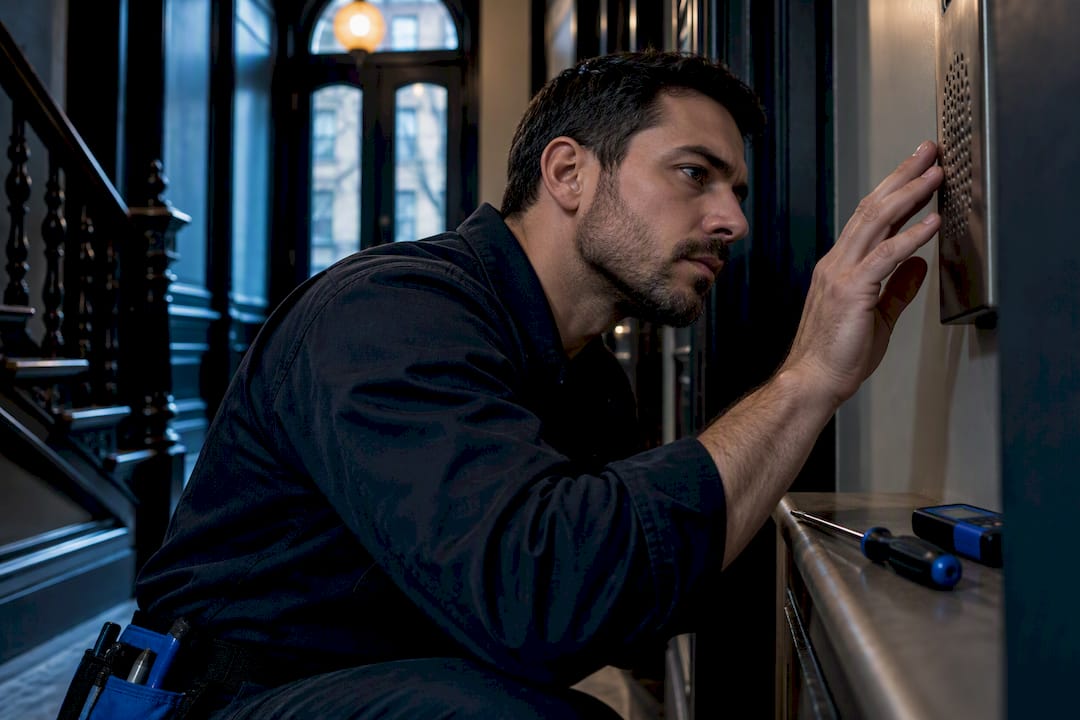
Welcome to a reality many property owners and building managers don’t realize they’re facing: relying on an outdated building security system in a world where security threats have evolved faster than most buildings have. What once felt reliable may now expose your property, tenants, and operations to unnecessary risk, from blind camera spots and slow incident response to compliance and liability concerns. Whether you manage a residential complex, a commercial property, or an older building in a high-traffic area like New York City, understanding when your system is no longer keeping up is the first step toward making smarter, safer decisions that protect both people and property.
An outdated building security system is a security setup that relies on old technology, lacks real-time monitoring, remote access, or modern integrations, and no longer meets current safety standards. These systems can increase risks such as unauthorized access, delayed response to incidents, and higher liability for property owners, making a security upgrade essential for modern buildings.
What Is Considered an Outdated Building Security System?
An outdated building security system is not simply one that looks old or has been in place for many years. It is a system that no longer aligns with how buildings are used, how risks have evolved, or how modern security technology is designed to operate. Many property owners assume that if a system still turns on and records footage, it is doing its job. In reality, security effectiveness is measured by visibility, control, speed, and adaptability, not just basic functionality.
Common Characteristics of Outdated Security Systems
Older security systems tend to share a set of clear limitations that reduce their ability to protect a building effectively. These issues often go unnoticed until a problem occurs.
- Analog Cameras: These cameras produce low-resolution footage that often fails to capture usable details such as faces, license plates, or specific actions. In real incidents, this can make footage ineffective for investigations or insurance claims.
- No Remote Access: Systems that can only be monitored on-site limit response time and oversight. Building owners or managers cannot check activity, review footage, or respond to alerts unless they are physically present.
- No Cloud Storage: Footage stored on local hard drives, DVDs, or physical servers is vulnerable to damage, theft, or failure. Once storage is full, recordings may be overwritten, permanently erasing critical evidence.
- Manual Logs: Older access control systems often rely on paper logs or disconnected databases. This makes it difficult to track who entered the building, when access was granted, or whether credentials should be revoked.
- Standalone Systems With No Integration: When cameras, access control, alarms, and intercoms operate independently, security gaps form. Staff must manage multiple platforms, increasing the risk of missed alerts and slow response.
Typical Age Range of Outdated Systems
Most building security systems become outdated within 10 to 15 years, even if they were considered advanced when first installed. Technology evolves quickly, and systems designed over a decade ago were not built to support modern expectations such as mobile access, real-time alerts, or scalable integrations. In many cases, the manufacturer may no longer support the hardware or software, leaving buildings exposed to failures with no reliable fix.
Why “Still Working” Does Not Mean “Still Secure”
One of the most common misconceptions is that a functioning system is a secure system. This assumption creates risk. A camera that records blurry footage still works, but it may not provide evidence that helps identify a suspect. A keycard system may unlock doors as expected, but if lost cards cannot be deactivated immediately, unauthorized access becomes a serious concern.
If your system depends on DVDs, keycards that cannot be disabled remotely, or a security room that must be staffed around the clock just to monitor basic activity, it is likely outdated. These setups reflect an earlier era of security that focused on presence rather than intelligence. Modern security is proactive, flexible, and data-driven, while outdated systems are reactive and limited by design.
Why Old Security Systems Are a Bigger Risk Today
An outdated building security system may have been sufficient years ago, but today it often creates more risk than protection. Security threats, building usage, and legal expectations have all evolved, while many systems have stayed the same. The result is a growing gap between what modern buildings require and what older security infrastructure can realistically deliver. Understanding why this gap matters helps property owners and managers recognize the urgency of upgrading without resorting to fear-based decisions.
Modern Security Threats Have Changed
Security risks today are more complex, more subtle, and more technologically driven than they were when many legacy systems were installed. Criminal behavior has adapted to older security setups, making outdated systems easier to bypass.
- Smarter criminals: Modern offenders often study building routines, camera coverage, and access patterns before acting, allowing them to exploit predictable systems and outdated hardware.
- Tailgating, credential cloning, and blind spots: Older access control systems struggle to detect tailgating, cloned key cards, or areas with poor camera visibility, creating easy entry points that often go unnoticed.
- Cyber and physical security overlap: Many security breaches now involve both digital and physical access, such as hacked access credentials being used to enter a building, something legacy systems were never designed to address.
These evolving threats mean that an outdated building security system is often reactive rather than preventative, leaving gaps that modern systems are specifically designed to close.
Limited Visibility and Slow Response
One of the most significant risks of older security systems is the lack of real-time awareness. When incidents happen, delays in detection and response can turn minor issues into serious problems.
- No real-time alerts: Legacy systems often rely on manual review or after-the-fact discovery, which means incidents may only be noticed hours or days later.
- No mobile access: Without remote access, building managers and security teams must be physically on-site to monitor or respond, limiting flexibility and increasing response times.
- Delayed incident response: Slow detection leads to delayed action, which can result in greater property damage, unresolved safety concerns, and reduced confidence from tenants or occupants.
Modern buildings require visibility that matches how they are used today. Without it, outdated security systems leave decision-makers reacting to problems instead of preventing them.
Compliance, Liability, and Insurance Risks
Beyond safety concerns, outdated security systems increasingly expose property owners to legal and financial risk. Regulations, insurance standards, and tenant expectations have all become more demanding.
- Increased legal exposure: When incidents occur, outdated systems may fail to provide adequate evidence or demonstrate reasonable security measures, increasing liability in legal disputes.
- Insurance requirements changing: Many insurers now expect modern security features such as high-resolution cameras, access logs, and digital records, and outdated systems can lead to higher premiums or denied claims.
- Poor incident documentation: Older systems often lack detailed logs, timestamps, or secure storage, making it difficult to prove what happened or show that proper procedures were followed.
These factors make outdated building security system risks more than just a technical issue. They represent a growing operational and financial vulnerability that affects the long-term stability of a property.
Special Considerations: Old Security Systems in NYC Buildings
New York City buildings face security challenges that are very different from those in most other parts of the country. Dense populations, aging properties, and constant movement of people make outdated security systems especially risky in this environment. Understanding why old security system NYC issues are so common helps property owners and managers make more informed decisions about upgrades and long-term safety.
Why Old Security System NYC Issues Are Common
Many NYC buildings were constructed decades ago, long before modern security threats and technologies existed. As a result, older systems are often still in place, not because they are effective, but because replacing them feels complex or disruptive.
Aging Building Infrastructure
A large percentage of residential and commercial buildings in NYC were built 50 to 100 years ago. While these structures have character and durability, their original layouts were never designed to support modern security technology.
- Limited wiring capacity: Older electrical systems may not support high-resolution cameras, smart access control, or cloud-connected devices without upgrades.
- Hard-to-modify layouts: Thick walls, narrow hallways, and retrofitted spaces make it harder to install modern equipment without planning.
- Deferred modernization: Security upgrades are often postponed in favor of more visible repairs like roofing or HVAC, allowing outdated systems to linger.
Mixed-Use Buildings
Mixed-use properties are common across NYC, combining residential units, offices, retail spaces, and shared entrances within the same structure. These buildings are especially vulnerable when relying on old security systems.
- Multiple access needs: Different occupants require different access levels, which older systems struggle to manage.
- Shared entry points: Retail customers, residents, delivery drivers, and staff often use the same entrances, increasing exposure.
- Lack of centralized control: Legacy systems typically cannot manage multiple user types efficiently or securely.
Legacy Access Control
Many NYC buildings still rely on key-based entry systems, outdated key fobs, or early-generation card readers that were installed years ago.
- Easy credential duplication: Physical keys and older key cards are easier to copy or misuse.
- Slow access changes: Removing access often requires manual intervention, which increases risk when tenants or employees leave.
- No activity tracking: Older systems rarely provide logs or audit trails, making investigations difficult after incidents.
NYC-Specific Security Concerns
Beyond infrastructure, the daily realities of New York City create security pressures that outdated systems are simply not equipped to handle.
High Foot Traffic
NYC buildings experience constant movement, often from people who do not live or work on the property.
- Increased tailgating: Busy entrances make it easier for unauthorized individuals to follow others inside.
- Reduced visibility: High traffic can overwhelm basic monitoring systems, especially those without real-time alerts.
- Greater opportunity for incidents: The more people passing through, the higher the chance that security gaps will be exploited.
Package Theft
Package theft is one of the most common security complaints in NYC residential buildings, especially those with outdated surveillance or access control.
- Unmonitored delivery areas: Older systems often lack camera coverage or secure package rooms.
- Delayed incident review: Low-quality footage makes it difficult to identify theft after it happens.
- Tenant dissatisfaction: Repeated package loss quickly erodes trust in building management.
Short-Term Visitors
Between guests, service providers, and short-term rentals, NYC buildings see a steady flow of temporary visitors.
- Frequent access changes: Older systems are not designed for temporary credentials or easy revocation.
- Limited visitor tracking: Many legacy systems offer no way to log who entered and when.
- Higher misuse risk: Shared or reused credentials are common in outdated setups.
Why NYC Buildings Are Often Targeted First
Buildings with old security systems are easier targets, and in a city like New York, vulnerabilities are quickly noticed.
- Predictable weaknesses: Criminals recognize older cameras, unsecured entrances, and blind spots.
- Dense opportunity zones: One compromised entry point can lead to access across multiple units or floors.
- Low deterrence: Outdated or visibly broken equipment signals that a building may not be actively monitored.
Tenant Expectations in Competitive NYC Markets
NYC tenants have options, and security plays a growing role in where people choose to live and work.
- Higher safety expectations: Modern tenants expect visible, functional security systems as a baseline.
- Technology familiarity: Many residents are used to smart access and mobile alerts in newer buildings.
- Reputation impact: Poor security can harm reviews, referrals, and long-term occupancy rates.
For property owners and managers, relying on an old security system in NYC is no longer just a technical issue. It affects safety, tenant trust, and the overall competitiveness of a building. Recognizing these local challenges sets the stage for understanding why a thoughtful security upgrade is often the most practical next step.
Warning Signs Your Building Needs a Security Upgrade
Many building owners and managers assume their security system is fine simply because it still turns on and appears to function. In reality, outdated building security systems often show subtle but consistent warning signs long before a serious incident occurs. Recognizing these red flags early allows you to address vulnerabilities proactively rather than reacting after a security failure, tenant complaint, or liability issue.
Cameras With Poor Image Quality
Security cameras are only effective if they capture clear, usable footage. Grainy or outdated visuals can undermine investigations and reduce accountability.
- Low-resolution footage: Blurry or pixelated images make it difficult to identify faces, license plates, or suspicious activity, especially in low-light conditions.
- Limited coverage: Older cameras often have fixed angles and narrower fields of view, leaving blind spots in critical areas.
- Outdated recording methods: Systems that rely on local storage or aging hardware may overwrite footage quickly or fail during critical moments.
Frequent System Downtime
A security system that regularly goes offline is not just inconvenient, it is a liability.
- Unreliable hardware: Aging components are more prone to failure and may require constant repairs.
- Missed incidents: Downtime creates windows of vulnerability where activity goes unmonitored.
- Higher maintenance costs: Frequent service calls often signal that the system has reached the end of its practical lifespan.
No Remote Monitoring or Access
Modern security systems are designed to provide visibility and control from anywhere.
- Delayed response: Without remote access, incidents may go unnoticed until long after they occur.
- Limited oversight: Building managers cannot quickly check cameras or system status when off-site.
- Operational inefficiency: Relying on physical access to a control room slows decision-making and increases dependency on staff.
Difficult Access Management
Access control should be simple, flexible, and secure.
- Manual credential handling: Systems that require physical keycards or manual reprogramming make access changes time-consuming.
- Delayed deactivation: Former tenants, employees, or vendors may retain access longer than they should.
- Limited audit trails: Older systems often lack detailed access logs, making it harder to track who entered and when.
Repeated Security Incidents or Tenant Complaints
Patterns matter when evaluating building security.
- Recurring issues: Repeated thefts, unauthorized entry, or vandalism often point to system weaknesses.
- Tenant dissatisfaction: Complaints about safety or lack of visibility can harm retention and reputation.
- Increased liability risk: Ongoing incidents raise concerns for insurance providers and legal exposure.
No Integration With Alarms or Intercom Systems
Security systems work best when components communicate with each other.
- Disconnected tools: Standalone cameras, alarms, and intercoms limit situational awareness.
- Slower incident response: Staff may need to check multiple systems to understand what is happening.
- Reduced effectiveness: Lack of integration prevents automated alerts and coordinated responses.
Vendor No Longer Supports the System
Vendor support plays a critical role in system reliability and security.
- No software updates: Unsupported systems miss critical patches and improvements.
- Limited replacement parts: Repairs become more difficult and costly over time.
- Technology stagnation: Systems that are no longer supported cannot adapt to modern security needs or compliance requirements.
If more than two of these warning signs sound familiar, it is likely time to consider a security upgrade. Addressing these issues early not only strengthens safety but also improves efficiency, tenant confidence, and long-term value. In the next section, we will explore the tangible benefits of upgrading to a modern building security system and how it can transform the way your property is protected.
Benefits of a Modern Building Security Upgrade
A security upgrade for a building is not just about fixing what is broken. It is an opportunity to improve how a property operates, how people feel inside it, and how well it is positioned for the future. Modern security systems are designed to support both safety and efficiency, helping building owners and managers move from reactive problem-solving to proactive control.
Improved Safety And Control
One of the most immediate benefits of a modern security upgrade is the level of visibility and control it provides. Instead of relying on outdated systems that only record incidents after they happen, modern solutions allow teams to stay aware and respond in real time.
- Real-time monitoring: Live video feeds and instant alerts allow building managers to identify suspicious activity as it happens rather than reviewing footage after an incident. This reduces response time and helps prevent small issues from escalating into serious problems.
- Mobile access: Modern systems allow authorized users to view cameras, manage access, and receive alerts from a smartphone or tablet. This is especially valuable for off-site property managers who need oversight without being physically present.
- Better coverage: Upgraded cameras and access points eliminate blind spots and improve image quality. Clear footage and consistent coverage increase accountability and support faster, more accurate incident resolution.
Together, these improvements create a safer environment while giving building operators greater confidence and control over daily security operations.
Operational Efficiency
Beyond safety, a modern security upgrade for a building often delivers measurable operational improvements. Older systems tend to rely on manual processes that are time-consuming and prone to error. Upgrading replaces many of these tasks with streamlined digital workflows.
- Fewer manual processes: Automated alerts, digital access logs, and centralized dashboards reduce the need for manual monitoring and paperwork. This allows staff to focus on higher-value responsibilities instead of routine checks.
- Easier access management: Modern access control systems make it simple to add, remove, or modify access permissions in seconds. Lost key cards or staff changes no longer require costly rekeying or system-wide resets.
- Reduced staffing costs: With smarter monitoring tools and automation, many buildings can operate efficiently with fewer on-site security hours, particularly during low-risk periods, without compromising safety.
These efficiencies help lower operating costs while improving consistency and reliability across the building.
Tenant Satisfaction And Property Value
Security directly influences how people feel about a building. When tenants feel safe and confident, it reflects positively on the property and the people who manage it. A modern security upgrade can play a significant role in improving tenant experience and long-term value.
- Increased trust: Visible, reliable security systems reassure tenants that their safety and privacy are taken seriously. This trust strengthens relationships between tenants and management.
- Competitive advantage: Buildings with modern security features stand out in competitive markets, especially in urban areas where tenants compare safety features before making leasing decisions.
- Better retention: Tenants are more likely to renew leases in buildings where they feel secure and supported. Reduced turnover helps stabilize income and lowers the cost of attracting new occupants.
Over time, these benefits contribute to stronger property performance and a more attractive asset for owners and investors.
What a Modern Security Upgrade for Buildings Looks Like
A modern security upgrade is not about replacing everything you have or introducing complicated technology that is hard to manage. It is about improving visibility, control, and reliability in a way that fits how your building actually operates. Today’s building security systems are designed to be flexible, scalable, and easier to use than older setups, allowing property owners and managers to strengthen security without disrupting daily operations.
Cloud-Based Video Surveillance
Modern video surveillance systems rely on cloud technology rather than outdated on-site storage. This shift makes footage more accessible, more secure, and far easier to manage.
- Remote access: Authorized users can view live or recorded footage from anywhere, which is especially useful for multi-property owners or managers who are not on-site every day.
- Improved image quality: High-definition and low-light cameras provide clearer footage, making it easier to identify people, vehicles, and incidents.
- Secure storage: Cloud storage reduces the risk of footage being lost, damaged, or tampered with and removes the need for maintaining physical recording equipment.
Smart Access Control
Access control has evolved far beyond traditional keys and basic keycard systems. Modern access solutions give building managers more control while improving safety for occupants.
- Flexible credentials: Access can be managed through key fobs, mobile apps, or secure codes, allowing permissions to be adjusted instantly when tenants move in or out.
- Real-time control: Administrators can grant, revoke, or modify access without being physically present, reducing delays and security gaps.
- Detailed access logs: Every entry attempt is recorded, creating accountability and helping resolve disputes or investigate incidents.
Mobile Dashboards
One of the biggest advantages of a modern building security upgrade is the ability to manage everything from a single, user-friendly dashboard.
- Centralized management: Video, access control, and alerts are accessible in one place, eliminating the need to switch between multiple systems.
- Instant alerts: Notifications for unusual activity or system issues allow for quicker response times.
- Ease of use: Modern dashboards are designed for non-technical users, making them practical for property managers and staff.
Audit Trails and Reporting
Modern systems automatically track and document activity, which adds an important layer of transparency and accountability.
- Clear records: Access events, system changes, and incidents are logged automatically, reducing reliance on manual reporting.
- Compliance support: Detailed records can help meet insurance, legal, or regulatory requirements when documentation is needed.
- Actionable insights: Reports can reveal patterns, such as recurring issues or high-risk access points, helping guide future security decisions.
Scalable and Adaptable Systems
A key feature of modern security systems is their ability to grow and change with your building’s needs.
- Scalable design: New cameras, doors, or features can be added without replacing the entire system.
- Adaptability: Systems can be tailored to residential, commercial, or mixed-use buildings, ensuring the solution fits the environment.
- Long-term value: Scalable systems reduce the need for costly overhauls as your property evolves.
Phased Upgrades Instead of Full Replacements
Many building owners worry that upgrading security means tearing out existing infrastructure. In reality, modern upgrades are often implemented in stages.
- Selective improvements: Critical areas can be upgraded first, such as entrances or high-traffic zones, while other components are updated later.
- Minimal disruption: Phased upgrades allow buildings to remain fully operational during the transition.
- Budget flexibility: Spreading upgrades over time helps manage costs without sacrificing security.
Custom Solutions Based on Building Type
No two buildings are the same, and modern security upgrades reflect that reality.
- Residential buildings: Focus on controlled access, package security, and tenant-friendly systems.
- Commercial properties: Emphasize access management, visitor tracking, and integration with existing operations.
- Mixed-use buildings: Require flexible systems that separate access and monitoring by area or user group.
A modern security upgrade does not have to be disruptive or all-at-once. With the right approach, building owners can improve safety, efficiency, and control in a way that feels manageable and aligned with their property’s needs. In the next section, we will look at how to plan a security upgrade strategically so that every improvement delivers real, measurable value.
How To Plan A Security Upgrade The Right Way
Planning a security upgrade is not just about installing newer technology. It is about making informed decisions that improve safety, reduce risk, and support the long-term needs of the building and the people who use it every day. A thoughtful, step-by-step approach helps avoid costly mistakes and ensures your investment actually delivers meaningful protection rather than just new hardware.
Assess Your Current System Honestly
The first step in any successful security upgrade is taking an objective look at what you already have. Many buildings continue using outdated security systems simply because they still power on, not because they are effective.
- System age and reliability: Consider how old the system is, how often it fails, and whether replacement parts or support are still available.
- Coverage and visibility: Review camera placement, access points, and blind spots to determine where security gaps exist.
- Usability for staff: Evaluate how easy the system is for building staff or security teams to use during real incidents, not just during routine checks.
An honest assessment creates a clear baseline and prevents unnecessary upgrades while highlighting areas that truly need improvement.
Identify Real Risks Instead Of Chasing Features
It is easy to get distracted by advanced features, but a security upgrade should be driven by actual risks rather than marketing promises. Understanding what you are protecting and why leads to smarter decisions.
- Property-specific threats: Look at past incidents such as theft, unauthorized access, or package loss to identify patterns.
- Building usage: Consider foot traffic levels, public access areas, and whether the building is residential, commercial, or mixed-use.
- Local environment: In dense urban areas like NYC, higher population flow and shared access points often increase vulnerability.
Focusing on real risks ensures the upgraded system solves practical problems instead of adding unnecessary complexity.
Involve Key Stakeholders Early
Security affects more than just management. Involving the right people early in the planning process improves adoption, reduces resistance, and leads to better outcomes.
- Building management: Managers provide insight into operational challenges, staffing concerns, and budget constraints.
- Tenants and occupants: Feedback from residents or employees often highlights security issues that are not visible from an administrative perspective.
- Maintenance and security staff: These teams understand daily system usage and can identify pain points that need to be addressed.
Early collaboration helps align expectations and ensures the upgraded system supports everyone who relies on it.
Set Realistic Goals And A Practical Budget
A successful security upgrade balances ambition with practicality. Clear goals and a defined budget prevent scope creep and help prioritize what matters most.
- Primary objectives: Decide whether the focus is improving access control, enhancing surveillance, reducing incidents, or all three.
- Budget planning: Account for installation, training, ongoing maintenance, and future upgrades rather than just upfront costs.
- Phased implementation: If budget is limited, plan upgrades in stages to spread costs while still improving security over time.
Realistic planning reduces surprises and helps ensure the upgrade delivers long-term value.
Choose Experienced Security Professionals
The quality of the installation and system design is just as important as the technology itself. Working with experienced security professionals reduces risk and improves reliability.
- Relevant experience: Look for providers with proven experience in similar buildings and environments.
- Consultative approach: Choose professionals who ask questions, assess risks, and recommend solutions rather than pushing one-size-fits-all systems.
- Ongoing support: Reliable post-installation support and system monitoring are essential for long-term performance.
Experienced partners help translate security needs into practical, effective solutions that align with industry standards and best practices.
Plan For Scalability And Future Needs
A security upgrade should not only solve today’s problems but also adapt to future changes. Scalability ensures the system remains useful as the building evolves.
- System flexibility: Choose platforms that allow new cameras, access points, or integrations without full replacement.
- Technology updates: Ensure the system supports software updates and emerging security standards.
- Building growth: Consider future renovations, tenant changes, or expanded usage that may impact security needs.
Planning for scalability protects your investment and prevents the system from becoming outdated again in just a few years.
Common Mistakes to Avoid When Upgrading Building Security
Upgrading a building’s security system is an important investment, but it is also an area where many property owners and managers make costly missteps. An effective security upgrade is not just about adding newer technology. It requires planning, practical decision-making, and a clear understanding of how the system will actually be used. Avoiding the following common mistakes can help ensure your security upgrade delivers real protection rather than unnecessary complexity or wasted expense.
Upgrading Technology Without a Clear Strategy
One of the most common mistakes is focusing on new equipment before defining the purpose of the upgrade. Technology should support security goals, not dictate them.
- Undefined security objectives: Without clearly identifying the risks you are trying to reduce, it becomes easy to invest in features that look impressive but do not address real vulnerabilities.
- Mismatch between building needs and tools: A small residential building, for example, may not need the same solutions as a large commercial property, even if the technology is available.
- Reactive decision-making: Upgrading in response to a single incident without evaluating broader risks can result in short-term fixes rather than long-term protection.
A strategic approach starts with assessing existing weaknesses, building layout, tenant behavior, and future needs before selecting any technology.
Choosing the Cheapest Option Instead of the Right One
Cost matters, but treating price as the primary decision factor often leads to higher expenses over time.
- Lower reliability: Budget systems may fail more often, require frequent repairs, or lack dependable customer support.
- Limited scalability: Cheaper systems can be difficult or impossible to expand as building needs grow.
- Hidden long-term costs: Ongoing maintenance, replacements, or system incompatibility can quickly outweigh initial savings.
A well-chosen security upgrade balances cost with durability, support, and long-term value rather than focusing solely on upfront pricing.
Ignoring User Experience for Staff and Tenants
Even the most advanced security system is ineffective if the people using it find it confusing or frustrating.
- Complex interfaces: Systems that are difficult to operate increase the likelihood of errors or bypassed procedures.
- Inconvenient access methods: If tenants struggle with entry systems, they may prop doors open or share credentials, undermining security.
- Lack of daily usability: Security tools should support routine operations, not slow them down or create unnecessary obstacles.
User-friendly design encourages consistent use and helps ensure the system supports both security and daily building operations.
Overcomplicating the Security System
More technology does not automatically result in better security. In fact, overly complex systems can create new problems.
- Increased points of failure: The more components involved, the greater the chance something will malfunction.
- Difficult troubleshooting: Complex setups can make it harder to identify and fix issues quickly.
- Unnecessary features: Paying for advanced functions that are rarely used adds cost without improving safety.
A well-designed security upgrade focuses on essential features that deliver clear benefits rather than layering on technology for its own sake.
Failing to Train Staff and Building Personnel
A security system is only as effective as the people responsible for managing it.
- Incomplete system use: Without proper training, staff may not take full advantage of the system’s capabilities.
- Delayed response to incidents: Untrained personnel may struggle to react appropriately during security events.
- Reliance on a single individual: When only one person understands the system, absences or turnover can create serious gaps.
Training ensures that staff can operate the system confidently, respond quickly to issues, and maintain consistent security practices across shifts and roles.
Your building’s security should work for today’s risks—not yesterday’s technology. If you’re unsure whether your current system is still protecting your property the way it should, now is the time to take action. Visit our website to learn how a tailored security upgrade can improve safety, reduce liability, and future-proof your building with solutions designed for modern environments.
FAQs: About Outdated Building Security System
- What is considered an outdated building security system?
An outdated building security system typically uses older technology such as analog cameras, limited access control, no remote monitoring, and lacks integration with modern security tools. Even if it still works, it may no longer meet current safety standards. - Why are outdated security systems a serious risk for buildings?
Older systems often have blind spots, delayed response times, and weak access control, which can increase the risk of theft, unauthorized entry, and liability for property owners and managers. - How can I tell if my building’s security system needs an upgrade?
Common signs include poor camera quality, frequent malfunctions, lack of mobile access, difficulty managing access credentials, and increasing security incidents or tenant complaints. - Are old security systems common in NYC buildings?
Yes, many NYC buildings still rely on legacy systems due to aging infrastructure and previous regulations. However, higher population density and foot traffic make modern security upgrades especially important. - Is it expensive to replace an outdated building security system?
Costs vary depending on building size and needs, but modern systems are often more cost-effective long term due to reduced maintenance, improved efficiency, and lower risk exposure. - Can an outdated security system be upgraded instead of fully replaced?
In many cases, yes. Some components can be upgraded gradually, allowing building owners to improve security without a full system replacement all at once. - What are the benefits of a modern security upgrade for buildings?
Modern systems offer real-time monitoring, better access control, remote management, improved safety, and increased property value while reducing operational headaches. - How long does a building security upgrade usually take?
Timelines depend on the scope of the upgrade, but many projects can be completed in phases to minimize disruption to tenants and daily operations. - Will a security upgrade improve tenant satisfaction?
Yes. Tenants feel safer in buildings with visible, reliable security systems, which can lead to higher retention rates and a stronger reputation for the property. - How do I choose the right security solution for my building?
Start by assessing your current system, identifying real risks, and working with experienced security professionals who can recommend solutions tailored to your building’s size, layout, and usage.
Conclusion
Outdated building security systems pose real and growing risks, not because they are old, but because they are no longer designed to handle today’s safety expectations, threat patterns, and operational demands. As buildings become busier, more connected, and more accountable to tenants, regulators, and insurers, relying on aging technology can quietly undermine safety, trust, and long-term value. Upgrading your security system is not about chasing the latest features; it is about protecting people, reducing liability, and ensuring your building is prepared for what comes next. The most practical next step is to take an honest look at your current system, understand where it falls short, and seek a professional assessment that reflects your building’s real-world needs. Addressing potential gaps before an incident occurs allows you to make informed, proactive decisions rather than reactive ones, setting a stronger foundation for safety, confidence, and resilience moving forward.