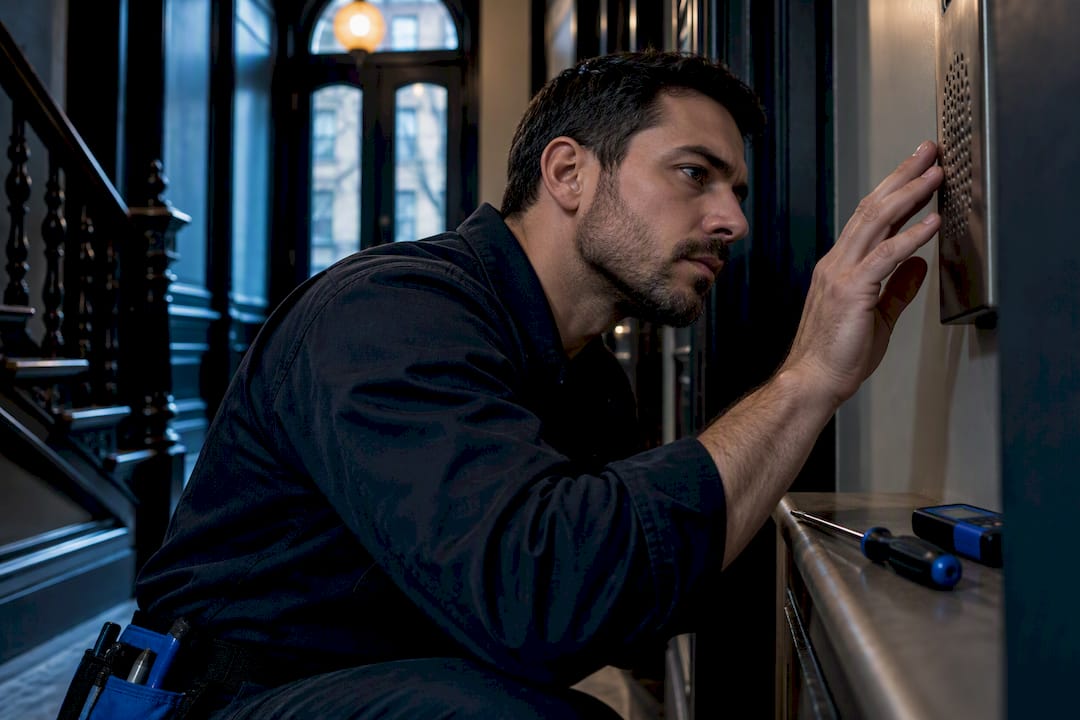
Welcome to this guide on how often security cameras are checked, giving you a clear look at how review routines work in homes, businesses, schools, hospitals, and public areas so you understand what really happens behind the scenes, why footage gets reviewed at certain times, what factors change the schedule, and how you can choose a routine that fits your own needs while keeping your property safer, your system reliable, and your awareness higher.
Security cameras are usually checked anywhere from daily to weekly, depending on the location, risk level, and system features. Homes are checked during alerts or routine weekly reviews, while businesses and public spaces often review footage daily or monitor feeds in real time.
Why Security Camera Footage Needs Regular Checks
Regular checks help you stay aware of what happens around your property. You get a clear look at activity, system performance, and any signs of trouble. When you review footage often, you reduce risks and catch important details before they slip by unnoticed.
Prevent Break-Ins Or Suspicious Activity
You lower the chance of break-ins when you review footage consistently. You spot unusual movement, unfamiliar faces, or patterns that feel out of place. Small clues matter. A person returning to the same spot at the same time each night could signal early scouting behavior. When you see warning signs early, you can take action before anything escalates.
Catch Issues Before They Become Real Problems
A quick review can save you from bigger headaches later. Many problems start small. A blurry camera could mean a loose connection. A dark corner could point toward a failing light. An unexpected gap in the timeline might show a recording error. You keep your system dependable when you check for these early signs and handle them right away.
Improve Safety For Homes And Workplaces
Footage reviews help you understand how people move through a space. You notice risky areas, blind spots, or places where accidents often happen. Homes benefit from better awareness around doors, yards, and driveways. Workplaces gain stronger oversight around entrances, storage rooms, and customer-facing areas. When you know what is happening, you can create a safer environment for everyone.
Confirm Systems Are Working And Recording
Security cameras can stop recording without you noticing. Power interruptions, faulty cables, and storage issues are common causes. Regular checks ensure cameras stay online, angles remain correct, and footage is saved properly. You protect yourself from the surprise of missing recordings when an incident occurs.
A Short Example
A small business owner reviewed her store’s entrance footage each morning. One day she noticed a customer repeatedly lingering near the register area before opening hours. Nothing had gone missing yet, but the pattern was clear. She adjusted staff coverage and placed a camera at a better angle. A week later, the same person tried to slip behind the counter and was stopped immediately. Simple daily checks helped her avoid a costly loss.
A steady review routine gives you a stronger sense of control and keeps your system ready when you need it most.
How Often Security Cameras Are Checked In Different Environments
Understanding how often security cameras get reviewed helps you set realistic expectations for your own setup. Each environment has its own routine based on risk, activity, and available staff. The points below show what usually happens and why the timing changes from place to place.
Homes
Home systems rarely follow a strict review schedule. People check their cameras only when something calls for attention.
- Occasional manual checks to confirm the system is working
- Reviews triggered by alerts or notifications
- Quick scans after a delivery, visitor, or late-night noise
These short reviews help homeowners stay aware without feeling tied to the system. Many people depend on motion alerts because they save time and highlight moments that matter.
Small Businesses
Small business owners rely on frequent camera checks to reduce risk and track daily activity.
- Reviews once a day or a few times a week
- Managers checking incidents as soon as they happen
- Consistent monitoring that supports loss prevention
Short daily reviews help owners spot problems early. A business that checks its cameras often is more likely to prevent theft and handle customer disputes with confidence.
Schools
Schools treat camera reviews as a key part of campus safety. Activity changes throughout the day, so staff watch footage based on what is happening on site.
- Teams reviewing footage during events or incidents
- Random spot checks to confirm activity around key areas
- Monitoring entrances during arrival, lunch, and dismissal
These checks help protect students and staff, especially during busy times. They also help schools respond faster when something unusual happens.
Hospitals
Hospitals require a higher level of attention because patient and staff safety is a constant priority.
- Frequent monitoring due to safety concerns
- Staff checking live feeds and recorded clips
- Review routines shaped by compliance rules
Many hospitals keep someone assigned to watch sensitive areas. Regular reviews also help meet legal and policy requirements around patient protection.
Retail Stores
Retail locations depend on steady monitoring to reduce theft and resolve customer issues.
- Daily checks for signs of shoplifting
- Managers scanning entrances, exits, and high-risk zones
- Example of a store reviewing entrance footage to cut shrinkage
A quick daily scan can reveal patterns that lead to stronger prevention. Camera checks also help stores confirm staff behavior, track incidents, and support internal reports.
Public Areas
Public spaces follow a mix of active monitoring and on-demand reviews based on local needs.
- Security staff watching live feeds when possible
- Footage reviewed when a complaint or incident occurs
- Review frequency shaped by city policies or local rules
These areas usually have large camera networks, so most reviews happen only when something requires attention.
Each setting follows its own pattern, but the goal stays the same. Regular checks help people respond faster, catch issues early, and keep their space safer. Understanding these routines will make it easier for you to choose the right schedule for your own system.
What Changes How Often Footage Gets Reviewed
How often someone checks security camera footage depends on several practical factors. Each one affects how much attention the system needs and how often people should look at recordings. When you understand these factors, you can set a routine that fits your own situation without guessing or checking too rarely.
Type Of Property
The kind of place being monitored plays a major role.
- Homes usually rely on alerts or quick weekly reviews because there are fewer risks and fewer people coming and going.
- Businesses check footage more often because they deal with customers, staff, and inventory every day.
- Schools, hospitals, and public spaces review footage more often due to safety concerns and steady activity.
Crime Rate Of The Area
Areas with higher crime rates often require more frequent reviews.
- If a location has a history of break-ins or suspicious activity, scanning footage daily or several times a day makes sense.
- In a quiet neighborhood, a slower routine may still keep things secure.
Industry Rules Or Legal Requirements
- Some industries follow strict rules about how often security systems must be reviewed.
- Hospitals, data centers, government buildings, and large retail stores may follow policies that require regular checks throughout the day.
- These rules help keep evidence accurate and ensure safety standards stay in place.
Number Of Cameras
More cameras mean more footage to review.
- A small home setup with two or three cameras takes only a few minutes to check.
- A business with dozens of cameras needs a clear schedule so nothing gets missed.
- Large systems often rely on staff who focus only on monitoring.
Whether Staff Is Trained To Manage Footage
The people checking the system matter as much as the system itself.
- If a property has trained staff, footage can be reviewed more often and problems get caught early.
- If only one person handles reviews, they may check footage less often due to time limits.
System Features Like Motion Alerts Or Smart Notifications
Modern camera systems can send notifications when something moves or when a camera goes offline.
- These features let users focus on important moments instead of scanning every recording.
- Homes and small businesses often rely on alerts to guide their review habits.
- Smart tools help users stay aware without checking every hour.
Which Of These Apply To Your Situation?
- Think about the property type, local risks, number of cameras, and how much time you have to check recordings.
- Each factor shapes the routine that will keep your system reliable.
A clear review schedule helps you stay ahead of problems and makes your security setup work better for you.
Who Usually Reviews The Footage
Security camera footage gets checked by different people depending on the location, the purpose of the system, and the level of risk involved. Each role handles reviews in a different way, and knowing these differences helps you understand how often footage gets seen and why.
Homeowners
Homeowners review footage only when something grabs their attention. You see this when a motion alert pops up on your phone, when a package arrives, or when you hear a noise outside. Most checks are short and focused. People look for activity near doors, windows, driveways, or backyards. Some homeowners also review clips at the end of the week to confirm that everything looks normal.
Business Owners
Business owners tend to review footage more often because they want to protect their inventory, staff, and property. Many check key areas daily, such as entrances, cash-handling zones, and storage rooms. They also use footage to review customer incidents or verify employee safety. Their reviews are more structured, with clear routines built into their workday.
Security Personnel
Security personnel handle the most consistent and detailed reviews. They often monitor live feeds, scan recorded footage during shifts, and respond to alerts right away. Their job involves checking for suspicious activity, tracking incidents, and making sure cameras stay online. They follow guidelines that tell them what to watch for and how to record what they find.
Property Managers
Property managers review footage when something affects the building or tenants. They check cameras during maintenance issues, reports of noise, or access concerns. Their reviews are practical and tied to building operations. They also look at entrances, parking areas, and hallways to confirm that residents and visitors follow property rules.
Law Enforcement When Needed
Law enforcement reviews footage only during investigations. They scan clips to confirm timelines, identify people involved, and gather evidence. Their checks are detailed and often involve analyzing small details. They rely on clear footage and accurate timestamps, which is why having a well-maintained system matters.
This gives you a clearer view of who checks security footage and what their reviews look like. Each role brings a different purpose, and those differences shape how often cameras are monitored.
How Long Is Video Footage Kept
When you install a security system, one of the first things you think about is how long the footage stays stored. This matters because you want enough time to review clips after an incident, but you also want to avoid running out of space. The length of retention depends on the type of system, how much storage you have, and the level of security the location needs.
Common Retention Periods For Different Systems
- Small systems often keep footage for 24 to 72 hours
Basic home setups or budget-friendly devices usually clear storage quickly. These systems record on a short loop, which means old clips are replaced as new ones come in. Many homeowners only need short retention because they check alerts in real time or only review footage when something feels off. - Most businesses keep footage for 7 to 30 days
Shops, offices, and service locations use longer retention to handle incidents like customer disputes, employee concerns, or property issues. A month of storage gives enough time to catch problems that were not noticed right away. Managers also use this window to track patterns or repeat behavior when needed. - High-security sites often keep footage for 30 to 90 days or more
Hospitals, warehouses, and sensitive facilities need extended retention due to tighter safety needs. These locations rely on longer records for investigations, compliance checks, and risk management. Longer storage also helps when issues take time to surface or when multiple teams need to review the same event.
Why Storage Size Affects Retention
Your storage capacity has a direct impact on how long clips stay saved. High-resolution videos take more space, and systems with many cameras fill drives even faster. When the device reaches its limit, it starts recording over older footage. If you want a longer retention period, you either need more storage or lower video quality. Many people choose a balanced setup that keeps important details clear without burning through space too quickly.
When Extended Storage Is Needed
Longer retention makes sense in situations where incidents take time to discover. For example, a business might not notice missing inventory until the next stock count. Schools or public buildings sometimes need weeks of footage to review patterns or repeated behavior. Some property owners also choose extended storage when they travel often and cannot review alerts right away.
Understanding how retention works gives you a clearer picture of what your system can handle. You now know what to expect from different setups and how storage needs shape the amount of footage you can keep.
Signs Your Cameras Need More Frequent Checks
Your security system can only do its job when each camera records clearly and consistently. Small issues often show up before a major problem appears, so paying attention to early signs helps you stay protected. If you notice any of the points below, it may be time to adjust how often you review your footage.
Alerts Not Being Reviewed
When your system sends alerts and they sit unchecked, you lose the chance to catch issues early. Alerts exist to point you to moments that matter. If you notice a growing list of unreviewed notifications, take it as a sign that your routine needs attention. You might be missing events that explain unusual activity around your property. Ask yourself why these alerts are piling up and whether your schedule gives you enough time to look at them.
Missing Clips
Missing clips are a clear warning that something is off. You may find gaps where the system should have recorded motion or scheduled footage. These gaps can happen because of storage problems, software errors, or a failing backup. Regular checks help you spot missing segments before they become a bigger issue. If your system skips important moments, increase your review frequency right away.
Blurry Footage
Blurry footage makes your system less useful. It can come from dirty lenses, weather changes, low light, or outdated settings. Over time, small shifts can lower clarity without you noticing. When you review footage, look for any drop in sharpness. If you see consistent blur, make cleaning and quality checks part of your routine.
Cameras Moving Or Losing Focus
If a camera shifts slightly, your coverage changes. This can happen when equipment loosens, someone bumps the device, or harsh weather moves the mount. A camera that drifts out of position can miss entire sections of your property. Review your footage to see if angles have changed. If you discover the camera pointing somewhere new, increase how often you check positioning.
Power Issues Or Offline Notifications
Power losses and offline messages tell you the system is not stable. A camera that disconnects often cannot record reliably. These interruptions can hide important events. Look at your logs to see how often the system goes offline. Frequent outages require closer monitoring and possibly a repair. Until the issue is fixed, review your footage more often to avoid missing anything.
This section shows how simple checks can prevent bigger failures. Regular attention keeps your cameras reliable and your property safer.
How Often Security Experts Recommend Checking Footage
Security specialists use simple review patterns that fit the level of risk in each setting. The goal is to keep footage accurate, spot issues early, and make sure the system records the moments that matter. You can follow these guidelines to build a routine that feels practical and easy to maintain.
Homes
Most homeowners get good results by checking footage once a week or whenever alerts trigger. Weekly reviews help you confirm that cameras are recording, lenses are clean, and motion alerts are working. When a notification appears, take a quick look so you stay aware of activity around your property. This routine fits busy schedules and still gives you solid oversight.
Businesses
Workplaces benefit from daily checks, especially in high-traffic or sensitive areas like entrances, storage rooms, and cash handling zones. A short daily review helps you catch problems before they grow, confirm employee safety, and reduce losses. Many managers take a few minutes at the start or end of a shift to scan clips from key cameras.
High Security Locations
Sites that require stronger protection rely on real time monitoring. Security staff watch live feeds to track activity, respond fast, and record events as they unfold. This approach supports industries that cannot afford gaps in awareness, such as healthcare, transportation, or critical infrastructure.
Public Spaces
Public areas like stations, parks, or community centers use monitoring throughout staff shifts. Teams rotate to keep watch and review recorded clips when needed. This setup keeps attention steady and improves response times without placing the entire load on one person.
Quick Tip
Short, consistent reviews work better than long sessions that happen only once in a while. Regular checks keep your system reliable, reduce blind spots, and help you stay ahead of small issues.
A steady review pattern gives you more confidence in your security setup and keeps your footage ready when you need it most.
How To Make Checking Footage Easier
Keeping up with security footage can feel overwhelming when you’re busy, but small adjustments make the process faster and more consistent. You can review clips with less effort, avoid missed incidents, and stay confident your system is doing its job. The steps below help you build a routine that works without adding pressure to your day.
Use Motion Activated Alerts
Motion alerts help you focus on the clips that matter. Instead of scrolling through long recordings, you only see activity that triggered the camera. This cuts review time and lets you spot problems sooner. You can adjust the sensitivity so you only get alerts for meaningful movement, not random shadows or passing cars.
Save Bookmarks For Incidents
Many modern systems let you mark important clips. Bookmarks help you return to specific moments quickly instead of searching through hours of video. You can label each bookmark with a short note, such as late delivery, door opened after hours, or visitor on the property. These notes build a quick reference library you can check any time.
Set Reminders
Simple reminders help you stay consistent. A weekly or daily notification keeps you on track so you never go long stretches without a review. Small check-ins add up and prevent issues from slipping through. Use your phone, calendar, or scheduling app to pick a time that fits your routine.
Use Mobile Apps To Scan Clips Faster
Most camera systems offer mobile apps with fast playback options. You can scan events at higher speeds, jump to alerts, and swipe through key moments. This makes reviews possible while you’re on the move. You don’t have to be at a desk or sitting in front of a monitor to stay aware of what’s happening around your property.
Delegate Reviews When Possible
If you manage a larger space, sharing the responsibility makes the process smoother. Team members can rotate review duties, each focusing on specific zones or times of day. Delegation spreads the workload evenly and reduces the chance of missing important activity. You also get different sets of eyes checking for details others might overlook.
Keep A Simple Log Of Checks
A short log helps you track what you reviewed and when. You can note timestamps, alerts, issues, or changes in activity. A basic record helps you spot patterns, such as repeated late-night motion or a camera that keeps going offline. Logs also prepare you for future reference if you need to revisit older events.
Example: How A Business Can Streamline Daily Reviews
Imagine a small retail shop with five cameras. The manager sets motion alerts only for entrances and high-risk areas. Each morning, the manager checks the bookmarked clips from the previous day. A team member handles quick scans through the mobile app during their break. Both of them use a shared log to record anything unusual. This approach cuts their review time from one hour to fifteen minutes while still keeping the store secure.
A few small habits can make your review routine quicker and far easier to manage. These steps help you stay organized and confident without letting daily checks take over your schedule.
When To Contact A Professional
Knowing when to bring in a professional can save you time, prevent bigger problems, and keep your security system reliable. Many issues start small, but they become serious when they’re ignored. If you’ve noticed recurring problems or gaps in your footage, it’s a good sign that your setup needs expert attention.
Recurring Technical Issues
When the same problems keep returning, the system may have deeper faults. Blurry video, cameras going offline, delayed alerts, or sound cutting out are common signs. These problems often point to wiring concerns, outdated software, or hardware nearing the end of its lifespan. A professional can diagnose the root cause, replace damaged parts, and restore normal performance.
Ask yourself if you’ve tried basic troubleshooting more than once. If the issue comes back, it’s time for expert help.
Signs Of Tampering
Tampering isn’t always obvious. A camera slightly moved from its usual angle, sudden gaps in the timeline, or settings changed without your approval can signal interference. This is especially important for businesses, rental properties, or public-facing areas.
A professional can check whether the camera was physically moved, accessed through the network, or exposed to attempts at disabling it. They can also tighten security settings to prevent further risks.
Footage Missing During A Critical Incident
Missing footage raises serious concerns. A power failure, corrupted files, or a camera going offline at the wrong time means the system wasn’t prepared for the moment you needed it most.
Professionals can recover lost clips when possible, test the recording equipment, and identify what caused the failure. More important, they help prevent repeat incidents by strengthening the system’s reliability.
Storage Limits Reached
Many owners discover storage problems only when the system stops recording new footage. Once storage fills up, older clips may get overwritten too soon or the system may slow down.
A professional can check your current storage capacity, recommend upgrades, or adjust your retention settings so you keep important clips longer. If you’re unsure how long your footage lasts before being replaced, an expert can guide you based on your risk level and daily activity.
System Upgrades Needed
Security technology changes fast. Older cameras may have limited resolution, weaker night vision, or slower recording speeds. Newer systems offer clearer video, smarter alerts, and better storage options.
If your system is five years old or more, an upgrade may bring you better quality and stronger protection. A professional can walk you through the latest options and help you choose improvements that fit your space and budget.
A reliable security system should work when you need it. When issues keep happening or your equipment can’t keep up, reaching out to a professional ensures your cameras stay dependable and ready for anything.
Want clear steps to set the right review schedule for your own security setup? Visit our site for simple guides, expert insights, and tools that help you protect your space with confidence.
FAQs: About How Often Security Cameras Get Checked
- How often are security cameras usually checked?
Most cameras are checked daily in businesses, weekly in homes, and in real time in high-security areas. - Who checks security camera footage?
Footage is reviewed by homeowners, business owners, security staff, or law enforcement during incidents. - Do home security cameras need daily checks?
Not usually. Many people check footage only when alerts trigger or when something unusual happens. - Why do businesses check cameras more often?
Frequent checks help prevent theft, review incidents, and confirm that all cameras are working. - Are security cameras monitored live?
Some systems use live monitoring in places like hospitals, retail stores, and public spaces. - How long is footage stored?
Storage ranges from 24 hours to 90 days depending on system size, settings, and the location’s security needs. - What affects how often footage gets reviewed?
Key factors include property type, crime risk, staff availability, and system features like motion alerts. - Do public places check footage all the time?
Many public areas review footage during incidents, while some use active monitoring during busy hours. - How often should you check your home system?
A quick weekly review works for most people unless alerts or suspicious activity appear. - When should a professional check your cameras?
Call a professional if footage is missing, cameras go offline often, or the system shows signs of tampering.
Conclusion
Here are the final takeaways for readers in one clear paragraph with a natural tone. Review schedules vary because each setting has different needs, so homes work best with flexible checks that focus on alerts or moments when something seems off, while businesses gain more value from daily reviews that help catch issues early and keep operations running smoothly. Schools, hospitals, and public spaces rely on more active monitoring because they handle higher foot traffic and situations where quick responses matter. System features also shape how often footage is reviewed, since motion alerts, mobile notifications, and storage limits all influence how people manage their cameras. As you look at your own setup, think about your risks, your goals, and how much coverage you want so you can choose a routine that fits your space.