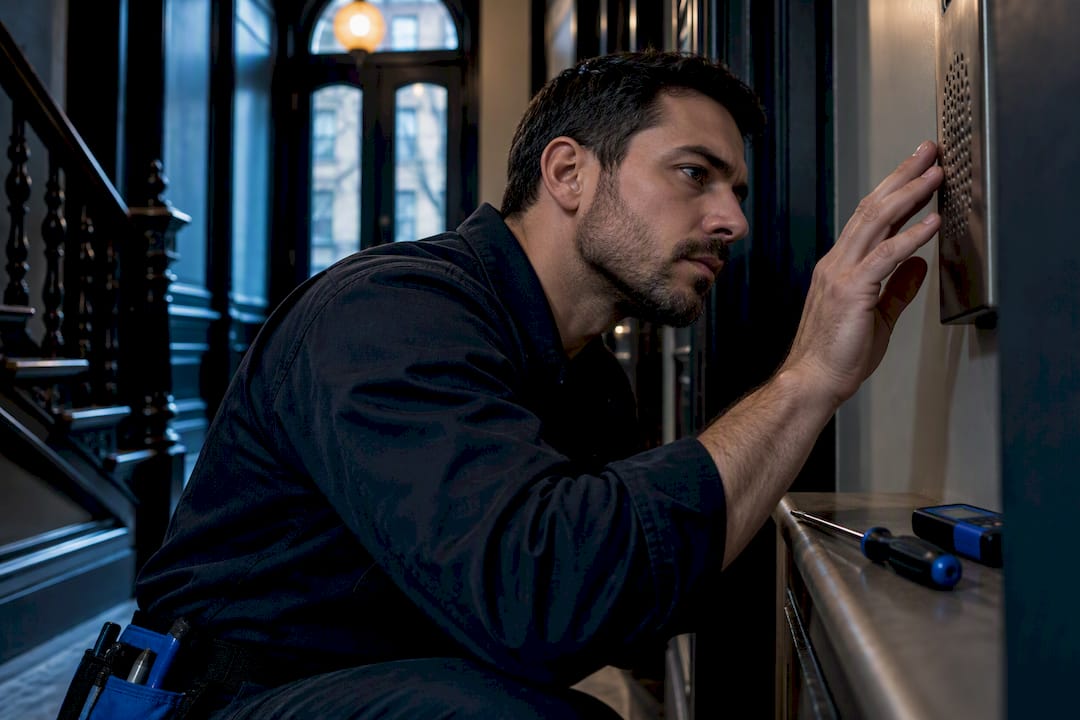
Welcome to your go-to guide for understanding why a door buzzer not working in winter is such a common problem, especially in colder climates like NYC. When temperatures drop, entry systems often struggle — buzzers stop responding, doors fail to release, and electric strike issues suddenly appear without warning. Whether your buzzer works intermittently, the door won’t unlock, or the problem only shows up during freezing weather, this guide breaks down the real causes behind winter door buzzer failures, explains cold weather door release problems in simple terms, and helps you understand when a quick fix is possible versus when professional door buzzer repair is the smarter, safer solution.
A door buzzer often stops working in winter because cold temperatures affect electrical components, wiring, and door release mechanisms. Freezing weather can weaken electrical signals, cause metal parts like electric strikes to contract, and allow moisture to freeze inside entry systems, preventing the door from unlocking properly.
Why Door Buzzers And Door Releases Fail In Cold Weather
Cold weather issues can disrupt both door buzzers and door release systems, which is why winter-related entry problems are so common. When temperatures drop, electrical and mechanical components react differently, often leading to a door buzzer not working in winter or a situation where the buzzer sounds but the door will not unlock. Understanding how cold weather affects these systems makes it easier to identify the cause and address door release problems before they worsen.
How Cold Weather Affects Entry Systems
Cold temperatures place stress on entry systems in ways that are not always immediately visible. Door buzzers depend on steady electrical flow, and winter conditions can interfere with that flow just enough to cause failures.
- Electrical Components React Poorly To Freezing Temperatures: Low temperatures can reduce electrical efficiency, especially in older wiring. This makes it harder for the buzzer signal to travel from the apartment unit to the door release system.
- Metal Contraction And Weakened Current: Metal components contract in cold weather, which can slightly loosen connections inside buzzers and electric strikes. Even minor changes can weaken the current needed to activate the door release.
- Why Problems Often Disappear When Temperatures Rise: As temperatures increase, metal expands and electrical flow improves. This is why a door buzzer not working in winter may suddenly function again during warmer parts of the day.
These cold weather issues help explain why winter door buzzer problems can feel inconsistent and unpredictable.
Cold Weather Issues That Cause Door Release Problems
Many winter entry failures are actually door release problems rather than buzzer issues. Cold weather directly affects the moving parts responsible for unlocking the door.
- Frozen Or Stiff Door Release Mechanisms: Moisture can enter the door release system and freeze overnight, causing stiffness that prevents smooth operation when the buzzer is pressed.
- Ice Buildup Inside Strike Plates: Electric strikes are especially vulnerable in winter. Ice forming inside the strike plate can physically block the latch from releasing, even when the buzzer is working.
- Reduced Power Preventing Full Release: Cold temperatures can lower the voltage reaching the door release. When power is reduced, the strike may engage but fail to unlock the door completely.
These door release problems are a major reason winter buzzer issues often persist until properly repaired.
Older Buildings Are More Vulnerable
Older buildings experience winter door buzzer issues more frequently because their systems were not designed to handle prolonged cold weather conditions.
- Common In NYC Apartments: Many NYC buildings rely on aging buzzer and intercom systems that are decades old, making them more susceptible to winter failures.
- Aging Wiring And Outdated Door Release Hardware: Older wiring and worn door release components struggle to perform reliably in cold weather, increasing the risk of system malfunctions.
- Systems Never Designed For Harsh Winter Cycles: Repeated freezing and thawing cycles place ongoing stress on older systems, accelerating wear and exposing existing weaknesses.
In summary, cold weather issues place added strain on both door buzzers and door releases, especially in older buildings. Understanding these causes helps prevent repeated winter failures and allows for quicker, more effective solutions before door access becomes a serious problem.
Common Winter Door Buzzer and Door Release Problems
Winter weather often reveals hidden issues in door buzzer and entry systems that remain unnoticed during warmer months. Cold temperatures affect both electrical and mechanical components, leading to door release problems that can disrupt access and compromise safety. Understanding these common winter failures makes it easier to identify the cause and determine the right solution.
The Buzzer Sounds, But the Door Won’t Open
This situation is a classic winter door release problem where the system appears to work, but the door remains locked.
- Classic winter door release problem: Cold weather slows down or restricts the movement of internal components, preventing the door from unlocking even though the buzzer activates.
- Electric strike partially engaging: The electric strike may receive power but fail to release fully, leaving the latch stuck in place.
- Cold-stiffened mechanical components: Metal parts can become rigid or contract in freezing temperatures, reducing the range of motion needed for proper door release.
This issue often becomes more noticeable during extreme cold and may temporarily improve when temperatures rise, making it seem inconsistent.
No Buzz Sound at All
When the buzzer makes no sound, the problem is usually electrical and commonly triggered by winter conditions.
- Power loss due to cold: Low temperatures can weaken electrical flow, especially in older wiring systems.
- Frozen wiring: Moisture inside wiring can freeze and damage insulation or connections, cutting off power to the buzzer.
- Transformer issues: Transformers may struggle or fail in cold weather, stopping the buzzer system from functioning altogether.
A silent buzzer during winter typically indicates a deeper issue that should be addressed before further damage occurs.
Intermittent Buzzer or Door Release
Intermittent failures are common in winter and can be especially frustrating because they come and go.
- Temperature-sensitive failures: Electrical connections expand and contract with changing temperatures, leading to inconsistent operation.
- Works midday, fails early morning or night: Many systems function during warmer daytime hours but fail when temperatures drop overnight or in the early morning.
These inconsistent symptoms usually point to an underlying issue that will continue to worsen without proper repair.
Door Unlocks Only When Pushed or Pulled Hard
If force is required to open the door, the problem is typically mechanical and related to cold weather effects.
- Misaligned or frozen electric strike: Cold temperatures can shift alignment or cause moisture inside the strike to freeze, blocking smooth release.
- Cold-related expansion issues: Doors and frames may expand or contract in winter, increasing pressure on the latch and making release more difficult.
Forcing the door may provide temporary access, but it often leads to additional damage and higher repair costs over time.
Electric Strike Issues That Cause Winter Door Release Failures
When a winter door buzzer stops working, the problem is often not the buzzer itself but an electric strike issue hidden inside the door frame. Cold weather puts extra stress on this component, making it one of the most common reasons doors fail to release during winter months. Understanding how an electric strike works and why it struggles in low temperatures can help you identify the real cause of winter door buzzer problems.
What an Electric Strike Does
An electric strike is the part of the door locking system that actually releases the door when someone presses the buzzer. While the buzzer creates the signal, the electric strike is responsible for physically unlocking the door so it can open.
- How buzzing triggers door release: When someone presses the buzzer inside an apartment or unit, an electrical signal is sent to the electric strike. This signal tells the strike to momentarily move its internal latch, allowing the door to open.
- Why the strike is critical to entry systems: Without a functioning electric strike, the buzzer can still sound, but the door will remain locked. This is why many winter door buzzer complaints turn out to be door release problems rather than buzzer failures.
In simple terms, the buzzer talks to the system, but the electric strike does the actual work.
Why Electric Strike Issues Are Worse in Winter
Cold weather creates conditions that make electric strike issues far more likely, especially in older buildings or entry systems exposed to the elements.
- Metal contraction affecting movement: Electric strikes contain metal parts that need to move freely. In cold temperatures, metal contracts, which can cause the strike to bind or move sluggishly, preventing proper door release.
- Ice or moisture inside the strike: Moisture from snow, rain, or condensation can seep into the strike housing. When temperatures drop, this moisture can freeze, blocking the strike mechanism and stopping the door from unlocking.
- Reduced voltage in cold conditions: Cold weather can weaken electrical output, especially in aging wiring. A reduced electrical current may be strong enough to trigger a winter door buzzer sound but not strong enough to fully activate the electric strike.
These cold weather issues often appear suddenly when temperatures drop, even if the system worked fine during warmer months.
Signs the Problem Is the Electric Strike, Not the Buzzer
Knowing the warning signs of an electric strike issue can save time and prevent unnecessary repairs to the wrong component.
- Buzzing sound without door release: If you hear the buzzer clearly but the door does not unlock, the electric strike is likely failing to engage.
- Door opens only after repeated attempts: When the door finally opens after several buzzes or requires pushing or pulling, it usually points to a struggling electric strike rather than a buzzer problem.
- Issue worsens during freezing weather: If the problem becomes more frequent or severe on colder days, this strongly suggests a winter-related electric strike issue.
These symptoms are especially common in winter door buzzer complaints where the system appears to work but does not consistently release the door.
Cold Weather Door Release Problems You Shouldn’t Ignore
Cold weather can turn a small door release issue into a much bigger problem if it’s left unchecked. When temperatures drop, door release mechanisms are often the first part of an entry system to struggle, even if the buzzer itself still seems to work. These problems are common in winter, but they should never be brushed off as harmless seasonal inconveniences.
Why Door Release Failures Are a Safety Issue
A door release that doesn’t function properly in cold weather affects more than just convenience. It can create real safety and access concerns for residents, visitors, and service providers.
- Locked residents and delivery access issues:
When a door release fails, residents may be unable to buzz in guests, family members, or delivery services. This often leads to missed packages, frustrated visitors, and residents being forced to go downstairs repeatedly in harsh winter conditions. - Emergency access concerns:
Reliable door access is critical during emergencies. Cold weather door release problems can delay entry for emergency responders, building staff, or medical services, especially in multi-unit buildings with controlled access. - Increased wear when forcing doors:
When doors do not release properly, people often push or pull them with extra force. Over time, this added strain damages the door, frame, electric strike, and locking hardware, leading to more frequent and costly repairs.
Temporary vs. Serious Cold Weather Problems
Not every winter door release issue means a complete system failure, but understanding the difference between temporary cold-related behavior and serious mechanical problems is important.
- Minor freezing vs. failing hardware:
Extremely low temperatures can sometimes cause brief stiffness in door release components. However, repeated winter failures usually indicate worn electric strikes, misaligned hardware, or electrical components that are no longer functioning reliably. - When problems will keep recurring:
If the door release works during milder weather but fails whenever temperatures drop, it is often a sign of aging parts or weakened connections. These problems typically return every winter and become more frequent if left unaddressed. - Why waiting for warmer weather often backfires:
While door release issues may seem to disappear once temperatures rise, the underlying damage remains. When the next cold spell arrives, the problem often returns with greater severity, increasing the risk of sudden system failure.
Cold weather door release problems should be treated as an early warning rather than a seasonal inconvenience. Addressing these issues early helps maintain building safety, reduce long-term damage, and ensure reliable access throughout winter and the rest of the year.
What You Can Safely Check Before Calling for Repair
Before scheduling professional service, there are a few simple and safe checks you can do to better understand why your door buzzer is not working in winter. These steps won’t fix deeper electrical or door release problems, but they can help identify whether cold weather is the likely cause and whether the issue is temporary or recurring. This information can also make a repair visit faster and more accurate.
Safe Troubleshooting Steps
These checks are designed to help you observe patterns without touching wiring or forcing hardware. They are especially useful when dealing with winter door buzzer or door release problems.
- Test buzzing from multiple units:
If the building has more than one apartment, ask another resident to test the buzzer. If it fails from all units, the issue is likely with the main entry system, electric strike, or exterior wiring rather than an individual apartment button. - Note temperature patterns:
Pay attention to when the problem occurs. If the buzzer works during warmer parts of the day but fails early in the morning or late at night, cold weather is likely affecting the system. This is a common sign of winter-related electrical or door release issues. - Check visible exterior damage:
Without opening panels, look at the outside buzzer and door area. Cracks, loose plates, rust, or signs of moisture around the buzzer or door frame can indicate cold weather damage that interferes with proper operation.
What Not To Do
Some actions may seem helpful in the moment but often make winter door buzzer problems worse or create safety risks. Avoid the following at all times.
- Don’t force the door:
Pushing or pulling aggressively can damage the door, frame, or electric strike. Forcing entry often turns a simple repair into a more expensive mechanical issue. - Don’t apply heat, water, or chemicals:
Using hot water, sprays, or chemicals can damage electrical components and increase corrosion. Sudden temperature changes can also cause parts to crack or fail completely. - Don’t attempt DIY electrical repairs:
Door buzzer systems carry electrical current. Opening panels or attempting wiring fixes without proper training can lead to injury, system damage, or code violations.
Taking a few minutes to safely observe how your door buzzer behaves in winter can save time and prevent unnecessary damage. If the issue continues or affects door release reliability, professional repair is the safest and most effective next step.
When to Call a Professional for Winter Door Buzzer or Door Release Problems
Winter-related door buzzer and door release issues often start small but can quickly turn into recurring, disruptive problems if left unaddressed. While minor cold-related hiccups may seem manageable at first, persistent failures usually indicate underlying mechanical or electrical damage that requires professional attention.
Clear Signs Professional Repair Is Needed
Certain warning signs make it clear that a winter door buzzer problem goes beyond a simple inconvenience and should be handled by an experienced technician. Ignoring these signs can lead to larger system failures, safety concerns, and higher repair costs.
- Repeated door release failure: When the buzzer activates but the door consistently fails to unlock, this often points to an electric strike issue or weakened electrical components affected by cold temperatures. Repeated failures mean the system is no longer operating reliably.
- Electric strike sticking: If the door only opens after pushing, pulling, or multiple buzz attempts, the electric strike may be freezing, misaligned, or losing power efficiency in cold weather. This problem rarely resolves without proper adjustment or replacement.
- Full buzzer system outage: A complete loss of buzzer functionality during winter usually indicates deeper electrical issues, such as damaged wiring, a failing transformer, or moisture intrusion that has frozen inside the system.
- Issues affecting multiple tenants: When several apartments experience the same door buzzer or door release problem, the issue is almost always systemic. Shared wiring, central control panels, or entry hardware may be compromised and require professional diagnosis.
Why Winter Door Issues Rarely Fix Themselves
Many people assume that winter door buzzer problems will disappear once temperatures rise, but this is rarely the case. Cold weather often exposes weaknesses that already exist within the system.
- Cold accelerates component failure: Freezing temperatures put additional stress on aging wiring, metal components, and electrical connections. Once damage occurs, normal temperatures will not restore full functionality.
- Temporary thawing hides deeper issues: A door buzzer or electric strike may appear to work again on warmer days, but the underlying problem remains. Moisture damage, corrosion, or mechanical wear will continue to worsen over time, leading to repeated failures each winter.
Addressing winter door buzzer and door release problems early helps prevent ongoing disruptions, protects building access, and avoids emergency repairs when conditions are at their worst. Calling a professional at the first signs of persistent issues is often the most efficient and cost-effective solution for long-term reliability.
Door Buzzer Repair in NYC Why Local Winter Experience Matters
When a door buzzer fails in winter, the problem is rarely just the cold. In New York City, entry systems face a unique combination of aging infrastructure, constant use, and harsh weather conditions. That is why choosing door buzzer repair NYC services with real local winter experience matters. Technicians who understand how NYC buildings behave in cold weather can diagnose issues faster, apply the right fixes, and prevent repeat failures that often happen when systems are repaired without local context.
NYC-Specific Entry System Challenges
New York City buildings place far more stress on door buzzer systems than many other locations. These challenges become especially noticeable during winter, when even small weaknesses are exposed.
- Older buildings:
Many NYC apartment buildings were constructed decades ago and still rely on original or partially upgraded buzzer and door release systems. Older wiring, outdated electric strikes, and worn mechanical parts are more likely to fail when temperatures drop, leading to intermittent buzzing or doors that refuse to unlock. - High daily usage:
NYC entry systems are used constantly by residents, delivery services, visitors, and building staff. This high volume of daily use accelerates wear and tear. In winter, cold temperatures reduce component flexibility, making heavily used systems more prone to sticking, misalignment, or electrical failure. - Severe winter exposure:
Snow, freezing rain, salt, and fluctuating temperatures all take a toll on exterior entry panels and door hardware. Moisture can seep into components and freeze overnight, while repeated freeze-thaw cycles weaken connections and mechanical parts. These conditions make winter door buzzer problems far more common in NYC than in milder climates.
What a Professional Door Buzzer Repair Service Addresses
A professional door buzzer repair NYC provider does more than restore basic functionality. The goal is to fix the immediate issue while also improving reliability during ongoing cold weather conditions.
- Electric strike issues:
Electric strikes are one of the most common failure points in winter. A professional repair service inspects for freezing, power loss, misalignment, or internal wear that prevents the door from releasing even when the buzzer is activated. - Door release alignment:
Cold weather can cause doors and frames to shift slightly, leading to alignment problems. Technicians adjust and recalibrate door release mechanisms so the door opens smoothly without needing extra force. - Weatherproofing for winter reliability:
Professionals often add or improve weather protection around exterior components. This may include sealing entry panels, protecting wiring from moisture, and ensuring that moving parts are less vulnerable to freezing temperatures. - System upgrades if needed:
In some cases, repeated winter failures indicate that parts of the system are outdated or no longer suitable for NYC conditions. A professional service can recommend targeted upgrades that improve cold-weather performance without requiring a full system replacement.
Choosing a door buzzer repair NYC service with hands-on winter experience helps ensure that repairs last beyond the next cold snap. With the right local expertise, entry systems can remain reliable, secure, and functional throughout the harshest months of the year.
How To Prevent Winter Door Buzzer And Door Release Problems
Cold weather issues with door buzzers and door release systems are often preventable with the right preparation and timely upgrades. Many winter failures happen not because systems suddenly break, but because small issues go unnoticed until freezing temperatures make them worse. Taking preventative steps before winter arrives can help avoid lockouts, safety concerns, and costly emergency repairs.
Pre-Winter Maintenance Tips
Routine maintenance before cold weather sets in is one of the most effective ways to prevent winter door buzzer and door release problems. Addressing minor wear and exposure early helps systems perform reliably when temperatures drop.
- Seasonal inspections:
A thorough inspection before winter helps identify loose wiring, worn components, or early signs of corrosion. Checking both interior and exterior parts of the door buzzer system ensures nothing is exposed or vulnerable to freezing conditions. This is especially important for buildings where entry panels and wiring are directly exposed to cold air and moisture. - Strike lubrication and alignment:
Electric strikes rely on precise movement to release the door properly. Cold weather can stiffen metal parts or cause slight misalignment, leading to door release problems. Applying proper lubrication and confirming correct alignment helps the strike move smoothly, even during freezing temperatures, reducing the risk of the door buzzing but not opening. - Moisture protection:
Moisture is one of the biggest contributors to winter door buzzer failures. Condensation, snow, and ice can freeze inside components and interfere with electrical connections. Sealing gaps, weatherproofing exterior panels, and protecting wiring from moisture exposure can significantly reduce cold weather issues and extend the life of the system.
When It’s Time To Upgrade
In some cases, maintenance alone is not enough. Older systems that repeatedly fail during winter may no longer be reliable or cost-effective to maintain. Recognizing when it is time to upgrade can prevent recurring problems year after year.
- Repeated winter failures:
If door buzzer or door release issues happen every winter despite repairs, it is often a sign that the system is no longer suited for cold conditions. Ongoing failures increase frustration and safety risks, making replacement a more practical long-term solution. - Outdated systems:
Older door buzzer and electric strike systems were not designed to handle modern usage levels or extreme temperature changes. Aging wiring, worn hardware, and outdated components are more prone to freezing and power issues, especially in winter. - Benefits of modern door release hardware:
Newer door release systems are built with improved materials, better insulation, and more reliable electrical performance. Modern hardware offers smoother operation, increased durability in cold weather, and fewer service interruptions. Upgrading can also improve security, reduce maintenance needs, and provide consistent access throughout the winter months.
Preventing winter door buzzer and door release problems comes down to preparation and informed decisions. Whether through regular maintenance or upgrading outdated equipment, addressing potential issues early helps ensure safe, reliable entry when cold weather arrives and keeps winter disruptions to a minimum.
Don’t wait until freezing temperatures leave you locked out or struggling with unreliable door access. If your door buzzer or door release system is acting up this winter, getting it checked early can save you time, frustration, and costly emergency repairs. Visit our website today to learn how our experienced technicians can quickly diagnose winter door buzzer issues, repair electric strike problems, and restore safe, reliable entry for your building — before the cold makes things worse.
FAQs: About Door Buzzer Not Working in Winter
- Why does my door buzzer stop working only during winter?
Cold temperatures can weaken electrical connections, freeze moisture inside components, and affect metal parts like electric strikes, causing the buzzer or door release to fail. - Why does the buzzer sound but the door won’t open?
This is often caused by a door release or electric strike issue. In winter, metal contraction or ice buildup can prevent the strike from releasing the door even though the buzzer activates. - Can cold weather permanently damage a door buzzer system?
Yes. Repeated exposure to freezing temperatures and moisture can corrode wiring, damage electric strikes, and shorten the lifespan of door buzzer components if not repaired. - What is an electric strike, and why does it fail in winter?
An electric strike is the part that unlocks the door when the buzzer is pressed. In winter, it may freeze, lose power efficiency, or become misaligned due to cold weather conditions. - Are winter door release problems a safety concern?
Yes. Door release failures can prevent residents, guests, or emergency services from entering the building safely and can lead to forced entry damage. - Can I fix a winter door buzzer problem myself?
Basic checks like testing the buzzer from multiple units are safe, but electrical or door release repairs should be handled by professionals to avoid injury or further damage. - Why does my door buzzer work sometimes but not consistently in winter?
Intermittent operation is common in cold weather when components expand and contract with temperature changes, causing unstable electrical connections. - How do I know when I need professional door buzzer repair in NYC?
If the problem happens repeatedly, affects multiple apartments, or involves door release failure, professional repair is recommended to properly diagnose and fix the issue. - Can winter door buzzer problems come back after a temporary fix?
Yes. Temporary fixes often fail again when temperatures drop. Proper repair or replacement of damaged components is the only long-term solution. - How can I prevent door buzzer issues next winter?
Regular maintenance, weatherproofing entry systems, inspecting electric strikes, and upgrading outdated equipment can help prevent winter-related failures.
Conclusion
Winter can quickly turn a small entry issue into a daily frustration, especially when a door buzzer not working in winter leaves residents, guests, or deliveries stuck outside. Cold weather door buzzer and door release problems are far more common than many people realize, and in many cases the root cause is an electric strike issue that struggles to operate properly in freezing temperatures. Ignoring early warning signs often leads to bigger failures, more expensive repairs, and unnecessary safety concerns as winter conditions continue. Addressing these problems early and relying on professional expertise helps ensure your entry system remains safe, reliable, and functional throughout the coldest months, so you are not left dealing with lockouts when you need dependable access the most.