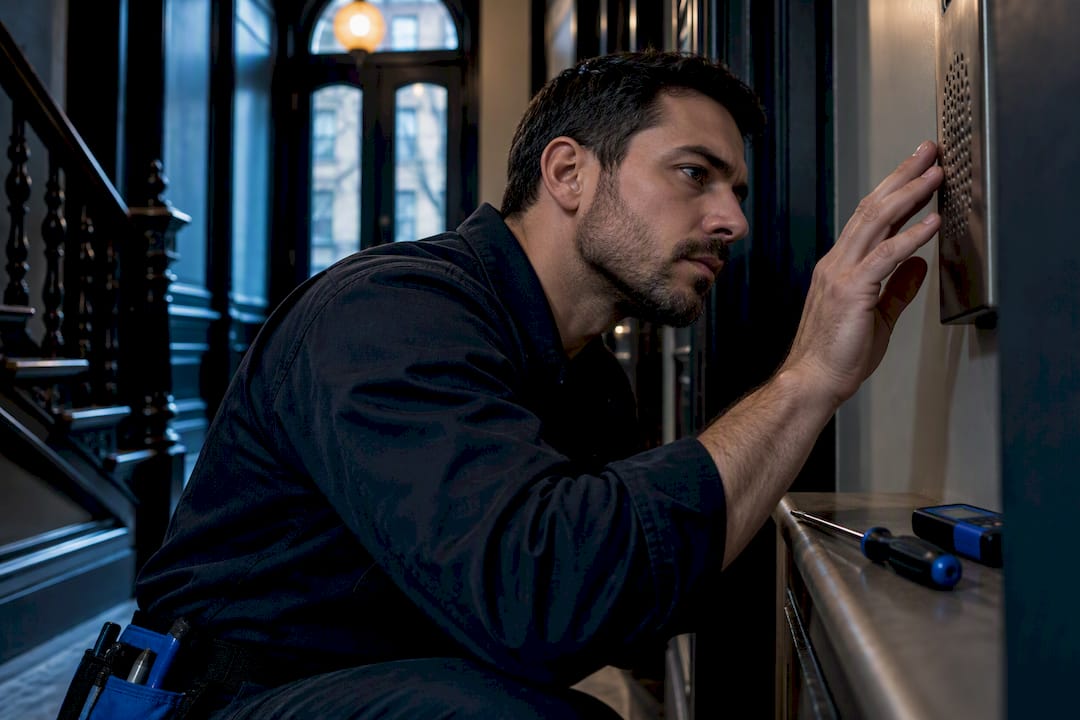
Welcome to a practical guide on choosing between an audio vs video intercom—a decision that impacts security, convenience, and long-term value for homes, apartments, and commercial buildings. Whether you’re comparing a traditional audio intercom system with a modern video solution, planning an intercom upgrade, or researching video intercom options in NYC, this article breaks down the real differences that matter. Instead of technical jargon or sales hype, you’ll get clear explanations, real-world considerations, and honest comparisons to help you decide which intercom system or commercial intercom system fits your building’s needs today—and in the future.
Audio vs video intercom systems differ mainly in how visitors are verified. An audio intercom allows communication through voice only, making it a cost-effective option for basic access control. A video intercom adds visual verification through a camera and screen or mobile app, offering enhanced security and convenience. The best choice depends on factors such as building size, security needs, budget, and whether an intercom upgrade is planned.
What Is an Audio Intercom System?
An audio intercom system is a communication-based access control solution that allows people inside a building to speak with visitors at an entry point before granting access. It focuses on voice interaction rather than visual confirmation, making it a straightforward and reliable option for properties that need basic security and controlled entry without complex technology.
How Audio Intercoms Work
An audio intercom system operates through two-way voice communication between a visitor and the person inside the building. When someone arrives at the entrance, they use a call button or keypad to initiate contact. The system then connects their voice to an indoor handset, wall-mounted panel, or desk unit.
Key components typically include:
- Entrance station: The outdoor unit with a speaker, microphone, and call button
- Indoor receiver: A handset or panel that allows occupants to speak and listen
- Access release mechanism: A button or switch that unlocks the door remotely
- Wired or wireless connection: The infrastructure that links all components together
Once the conversation is complete, the occupant can decide whether to grant access by activating the door release. This simple workflow is why audio intercom systems have remained widely used for decades.
Common Use Cases
Audio intercom systems are commonly installed in settings where basic visitor verification is sufficient and visual confirmation is not required.
Typical use cases include:
- Small apartment buildings: Residents can screen visitors without leaving their units
- Office environments: Front desk staff can manage entry requests efficiently
- Gated properties: Voice communication provides controlled access without high costs
- Older buildings: Audio systems integrate more easily with existing wiring
Because of their simplicity, audio intercom systems are often chosen for properties prioritizing reliability and ease of use over advanced security features.
Strengths And Limitations
Like any access control solution, an audio intercom system has clear advantages and trade-offs that should be considered before installation or upgrade.
Strengths include:
- Cost efficiency: Lower upfront and installation costs compared to video systems
- Ease of installation: Minimal infrastructure requirements, especially in existing buildings
- Reliability: Fewer technical components mean fewer points of failure
- User friendliness: Straightforward operation for all age groups
Limitations include:
- No visual verification: Users must rely solely on voice identification
- Limited security insight: Cannot confirm delivery personnel or unknown visitors visually
- Fewer modern features: Lacks mobile access, video recording, or remote monitoring
These limitations are often the main reason property owners eventually consider an intercom upgrade to a video-based system.
What Is a Video Intercom System?
A video intercom system is an access control solution that allows occupants to see, hear, and communicate with visitors before granting entry. Unlike audio-only systems, video intercoms add a visual layer of verification, making them a popular choice for residential buildings, commercial properties, and multi-tenant locations where security and convenience matter.
How Video Intercoms Work
At its core, a video intercom system combines communication and visual monitoring into a single platform. When a visitor arrives, the system initiates a live video and audio connection with the occupant or security staff.
Key components include:
- Camera: Captures real-time video of the visitor at the entry point
- Microphone and speaker: Enable two-way communication
- Display or mobile interface: Allows occupants to view and speak with visitors
- Door release mechanism: Lets authorized users unlock doors remotely
Once the visitor presses the call button, the system sends a notification to an indoor station, front desk, or smartphone. The occupant can then see who is requesting access, speak with them, and decide whether to allow entry. This process helps reduce unauthorized access and removes guesswork from entry decisions.
Modern Features In Video Intercom Systems
Today’s video intercom systems go beyond basic video and audio communication. Many modern systems are designed to integrate with smart building technology and support remote access.
Common modern features include:
- Mobile access: Allows users to answer intercom calls and unlock doors from a smartphone or tablet
- High-definition cameras: Provide clear images, even in low-light conditions
- Cloud-based management: Enables remote system monitoring and updates
- Access logs and recordings: Keep a record of entry attempts for security review
- Integration capabilities: Connect with key fobs, access cards, or building management systems
These features are especially useful for property managers and business owners who need visibility and control over building access without being physically on-site.
When Video Intercoms Make More Sense Than Audio
While audio intercom systems still serve a purpose, video intercoms are often the better choice in environments where security risks or visitor volume are higher.
Video intercoms are a better fit when:
- Visual verification is important: Seeing a visitor reduces the risk of granting access to the wrong person
- Multiple occupants need access control: Apartment buildings and offices benefit from shared, visual entry management
- Remote access is required: Property managers can respond to visitors without being on location
- Security expectations are higher: Urban areas and high-traffic buildings often require added protection
In these situations, the ability to see who is at the door provides peace of mind and improves overall building safety.
Audio vs Video Intercom: A Practical Intercom Comparison
Choosing between an audio and video intercom is less about which system is “better” and more about which one fits your building’s needs, risks, and long-term plans. This comparison focuses on the practical differences that affect security, daily use, installation, and overall value so you can make a confident, informed decision rather than relying on trends or assumptions.
Security Comparison
Security is often the main reason people compare audio vs video intercom systems, and the difference here is significant because it affects how access decisions are made in real time.
An audio intercom relies entirely on voice recognition. While this may work well in familiar or low-risk environments, it leaves room for uncertainty when users cannot visually confirm who is requesting entry. A video intercom adds a visual layer that changes how people assess risk and respond to visitors.
Key security differences that matter in practice include:
- Verification method: Audio intercoms depend on voice alone, while video intercoms allow users to see the person at the door before granting access.
- Risk exposure: Audio-only systems can be vulnerable to impersonation or unclear communication, especially in busy or noisy environments.
- Real-world decision making: Visual confirmation helps residents and staff make faster, more confident access decisions, particularly when they do not recognize the visitor.
These differences matter because access control is only effective when users feel confident using it. If people hesitate or guess, security breaks down regardless of the system installed.
User Experience Comparison
Beyond security, user experience plays a major role in how well an intercom system works day to day. A system that is confusing or inconvenient often leads to misuse or avoidance, which reduces its effectiveness.
Audio intercoms are typically simple and familiar. Most users understand how to pick up a handset or press a button to speak. Video intercoms introduce more features, which can improve convenience but also require adjustment.
Key user experience factors to consider include:
- Ease of use: Audio systems are straightforward, while video systems may include screens, mobile apps, or touch interfaces that offer more functionality.
- Daily convenience: Video intercoms allow users to visually confirm visitors and, in many cases, respond remotely through a phone or tablet.
- Learning curve: Audio systems usually require little to no training, while video systems may need brief onboarding for residents or staff.
These differences matter because an intercom is used frequently. When the system feels intuitive, people are more likely to use it correctly and consistently.
Installation & Infrastructure Comparison
Installation requirements often influence whether a building chooses audio or video, especially when upgrading an existing system. Older buildings, in particular, need to consider infrastructure limitations before committing to a solution.
Audio intercoms generally require less complex wiring and are easier to integrate into existing setups. Video intercoms may require additional cabling, network access, or power considerations, depending on the system.
Important installation and infrastructure considerations include:
- Wiring requirements: Audio systems typically use simpler wiring, while video systems may need network or data cables.
- Compatibility with older buildings: Audio intercoms are often easier to install in older properties without major renovations.
- Upgrade complexity: Moving from audio to video can involve more planning, especially if screens, cameras, or mobile access features are added.
These factors matter because installation challenges can affect cost, timelines, and whether an upgrade is practical without disrupting occupants.
Cost & Long-Term Value Comparison
Cost is more than the initial price tag. Long-term value depends on how well the system scales, how much maintenance it requires, and whether it continues to meet the building’s needs over time.
Audio intercoms usually cost less upfront and are economical for basic access control. Video intercoms require a higher initial investment but often deliver added value through improved security and modern features.
Key cost and value considerations include:
- Initial investment: Audio systems are typically more affordable to purchase and install than video systems.
- Maintenance and scalability: Video intercoms may involve software updates or network maintenance but are often easier to expand or modernize later.
- ROI considerations: Enhanced security, reduced unauthorized access, and improved tenant satisfaction can justify the higher cost of video systems over time.
These differences matter because choosing the lowest-cost option today can lead to higher expenses later if the system needs to be replaced or upgraded sooner than expected.
How To Make The Right Intercom Upgrade Decision
Upgrading an intercom system is not just a technical choice. It is a practical decision that affects security, daily operations, and long-term costs. The right upgrade starts with understanding what problems you need to solve and how the system will support the people who use it every day.
Questions To Ask Before Upgrading An Intercom
Before comparing different intercom options, it is important to define your goals clearly. Asking the right questions early helps narrow your choices and prevents unnecessary upgrades.
- What security issues are you trying to solve:
Identify the specific weaknesses in your current system. These may include unauthorized access, lack of visitor verification, poor audio quality, or outdated equipment. If visual confirmation is the missing piece, a video intercom may be worth considering. If reliability is the main issue, an audio system upgrade could be sufficient. - Who will use the system daily:
Think about residents, employees, delivery personnel, and visitors who interact with the intercom regularly. A system should be easy to use for all users, not just administrators. Daily usability often determines whether an intercom upgrade is seen as an improvement or a frustration. - How long do you plan to stay in the building:
Ownership or occupancy timelines matter. Short-term owners may focus on minimizing upfront costs, while long-term property managers often benefit from investing in systems that can scale or adapt over time.
Audio Vs Video Intercom For Upgrades
Once the purpose of the upgrade is clear, comparing audio and video intercom systems becomes more practical. Each option serves different needs depending on the building and its security requirements.
- When upgrading to video makes sense:
Video intercom upgrades are ideal for buildings with higher security demands, frequent visitors, or multiple entry points. Being able to see who is requesting access improves decision-making and adds a layer of accountability. Video systems also often support mobile access and modern integrations. - When staying with audio is the smarter choice:
Audio intercom systems remain a strong option for smaller properties or locations with low visitor traffic. If the main goal is clear communication and dependable access control, an updated audio system can meet those needs without the added cost or complexity of video. - Hybrid or phased upgrade options:
Some buildings choose to combine audio and video intercoms or upgrade in phases. This approach allows property owners to prioritize high-risk areas first while spreading upgrade costs over time.
Short-Term Vs Long-Term Upgrade Thinking
Intercom upgrade decisions should balance immediate needs with future expectations. A system that works today should not limit growth or security improvements later.
- Budget constraints vs future needs:
Staying within budget is important, but it should not come at the expense of future flexibility. Systems that lack scalability or integration options may require replacement sooner than expected. - Avoiding costly re-upgrades later:
Choosing an intercom system that can be expanded or updated reduces the likelihood of repeated upgrades. Planning ahead helps protect your investment and extends the useful life of the system.
Choosing the right intercom upgrade comes down to clarity and planning. By evaluating security needs, comparing audio and video options honestly, and considering long-term goals, you can make an upgrade decision that delivers lasting value without unnecessary complexity.
Intercom Systems By Property Type
Choosing the right intercom system depends heavily on how a building is used, who accesses it daily, and what level of security is expected. Different property types face different challenges, which is why comparing audio and video intercom options through a real-world lens leads to better, long-term decisions.
Residential Buildings
Residential properties vary widely in size, layout, and tenant expectations. An intercom system that works well for a small apartment may fall short in a larger residential complex.
Small Apartments
In smaller residential buildings, simplicity and reliability are often the top priorities. Many owners choose an audio intercom system because it provides basic access control without unnecessary complexity.
Key considerations:
- Budget sensitivity: Audio intercom systems are typically more affordable to install and maintain.
- Ease of use: Fewer residents means less strain on the system and minimal learning curves.
- Security needs: Voice verification may be sufficient when tenants are familiar with regular visitors.
Multi-Unit Complexes
Larger apartment buildings usually require stronger security and better visitor management. As the number of residents increases, so does the need for accountability and convenience.
Key considerations:
- Visitor verification: Video intercoms allow residents to visually confirm guests before granting access.
- Tenant experience: Mobile access and video features improve daily convenience.
- Scalability: Video systems handle higher usage better and adapt more easily to future growth.
Commercial & Mixed-Use Buildings
Commercial and mixed-use properties deal with higher traffic levels and more complex access requirements. Intercom systems here are less about basic entry and more about controlled movement throughout the building.
Visitor Flow
Businesses often receive frequent deliveries, clients, and service providers, making efficient visitor handling essential.
Key considerations:
- Speed and clarity: Video intercoms reduce confusion by allowing instant visual confirmation.
- Professional image: A modern intercom system supports a more polished first impression.
- Traffic management: Clear access protocols help prevent bottlenecks at entry points.
Employee Access Control
Managing employee access is critical for safety and operational efficiency.
Key considerations:
- Restricted access areas: Video intercoms integrate well with access control systems.
- Auditability: Visual records improve accountability when managing large teams.
- Flexibility: Systems can be adjusted as staff roles and schedules change.
NYC-Specific Intercom Considerations
Properties in New York City face unique challenges that influence intercom system selection. From aging infrastructure to heightened security expectations, these factors often push building owners toward modern solutions.
Older Infrastructure
Many NYC buildings were constructed long before modern intercom technology existed.
Key considerations:
- Wiring limitations: Some buildings require creative solutions or partial upgrades.
- Compatibility: Video intercom systems now offer options designed for retrofit installations.
- Minimized disruption: Wireless or hybrid systems reduce installation impact.
Security Expectations
NYC residents and businesses place a high value on security due to dense populations and constant foot traffic.
Key considerations:
- Visual confirmation: Seeing visitors adds a critical layer of protection.
- Remote access: Residents can manage entry even when they are not onsite.
- Deterrence: Visible cameras alone can discourage unauthorized access.
Why Video Intercom Adoption Is Growing In NYC
Video intercom NYC installations have increased as buildings modernize and residents demand better security and convenience.
Key considerations:
- Rising safety concerns: Visual access control addresses modern security risks.
- Tenant expectations: Video intercoms are becoming a standard amenity.
- Long-term value: Upgrading once reduces the need for repeated system replacements.
In the end, the right intercom system depends on how a property functions day to day. Understanding the specific needs of residential, commercial, and NYC-based buildings helps property owners make confident intercom upgrade decisions that balance security, usability, and long-term value.
Signs It’s Time for an Intercom Upgrade
An intercom system plays a critical role in building security, access control, and daily communication. Over time, even well-maintained systems can become unreliable or fall behind modern standards. Recognizing the signs early can help property owners and managers plan an intercom upgrade before small issues turn into larger security or operational problems.
System Failures
When an intercom system starts failing, it often signals that the technology is reaching the end of its usable life. These failures may begin as occasional glitches but usually become more frequent over time.
Common indicators include:
- Intermittent audio or video: Calls drop, sound quality fades, or video feeds freeze during use.
- Unresponsive buttons or panels: Entry stations or indoor units stop working consistently.
- Frequent repairs: Ongoing service calls become more common and more expensive.
If maintenance costs continue to rise while reliability declines, upgrading the intercom system is often more cost-effective than continuing to repair outdated equipment.
Security Gaps
An outdated intercom can leave serious security vulnerabilities, especially in multi-unit or high-traffic buildings. Older systems were not designed to address today’s access control and monitoring expectations.
Warning signs of security gaps include:
- No visitor verification: Audio-only systems make it harder to confirm who is requesting access.
- Lack of access logs: Inability to track entry activity or review past access events.
- No remote control options: Building staff or residents cannot manage access when off-site.
An intercom upgrade, especially to a video-enabled system, can significantly improve security by adding visual verification and modern access features.
Resident Or Staff Complaints
Feedback from residents, tenants, or staff is often one of the clearest signs that an intercom system is no longer meeting daily needs. When people struggle to use the system, it affects both convenience and safety.
Common complaints may include:
- Difficulty hearing or understanding visitors: Poor audio quality creates frustration and confusion.
- Complex or outdated interfaces: Systems that are not user-friendly discourage proper use.
- Inconvenience for deliveries and guests: Limited features slow down entry and disrupt daily routines.
Repeated complaints usually indicate that the system no longer aligns with how people expect to communicate and manage access today.
Compliance Or Modernization Needs
Building standards and expectations evolve over time, and intercom systems must keep pace. Older systems may fall short of current requirements or miss opportunities to modernize building operations.
Situations that may require an upgrade include:
- Accessibility considerations: Systems may not meet updated accessibility or usability standards.
- Integration limitations: Older intercoms cannot connect with access control, cameras, or mobile devices.
- Outdated appearance: Aging hardware can negatively impact a building’s professional image.
Modern intercom solutions are designed to support compliance needs while improving functionality and appearance, making them a practical long-term investment.
Cost Breakdown: Audio vs Video Intercom Systems
Understanding the cost differences between audio and video intercom systems helps set realistic expectations and prevents surprises during installation or upgrades. While pricing can vary based on building size, infrastructure, and location, breaking costs into clear categories makes it easier to compare options and plan accordingly.
Typical Cost Ranges (Non-Salesy)
Audio intercom systems are generally the more affordable option because they rely on simpler hardware and fewer components. They are often chosen for buildings that need basic communication and access control without advanced features. Video intercom systems usually fall into a higher price range due to added equipment such as cameras, displays, and network connectivity.
Typical cost influences include:
- Building size and number of entry points: More doors or units increase overall system requirements
- System type: Wired systems may cost more upfront than wireless options
- Feature set: Mobile access, recording, and cloud-based tools add to total cost
Rather than focusing on exact figures, it’s more useful to think in terms of value. An audio system may cost less initially, while a video intercom can provide stronger security and long-term functionality.
Installation vs Equipment Costs
Intercom expenses are usually split between equipment and installation, and the balance differs depending on the system type. Audio intercom equipment is typically straightforward, with fewer parts to install. This often results in shorter installation times and lower labor costs.
Video intercom systems require additional components, including cameras, screens, and network connections. Installation can take longer, especially in older buildings that may need wiring updates or network adjustments.
Key cost considerations include:
- Existing infrastructure: Buildings with compatible wiring can reduce installation work
- System complexity: More features generally require more setup time
- Labor requirements: Multi-unit or commercial buildings often need specialized installation
Understanding this distinction helps explain why two systems with similar hardware costs can have very different total project prices.
Maintenance and Support Considerations
Long-term costs are often overlooked when comparing intercom systems, but they play an important role in overall value. Audio intercom systems tend to have lower ongoing maintenance needs because they use fewer electronic components. Basic repairs and occasional part replacements are usually sufficient.
Video intercom systems may require more regular attention, especially if they rely on software updates, internet connectivity, or cloud-based services. While this can add to ongoing costs, it also allows for system improvements and security updates over time.
Maintenance factors to keep in mind:
- System reliability: Simpler systems typically experience fewer technical issues
- Software updates: Video systems may need periodic updates for optimal performance
- Support access: Ongoing technical support can be helpful for larger or high-traffic buildings
When comparing audio vs video intercom systems, cost should be viewed as a balance between upfront investment and long-term benefits. Choosing the right system comes down to understanding what level of security, convenience, and support your building truly needs. Taking time to evaluate all cost factors upfront makes it easier to choose an intercom solution that fits both your budget and your long-term goals.
Common Intercom Comparison Mistakes To Avoid
Choosing the right intercom system can feel overwhelming, especially when audio and video options offer very different benefits. Many buyers make avoidable mistakes during the comparison process that lead to wasted budget, usability issues, or the need for an early intercom upgrade. Understanding these common pitfalls can help you make a smarter, longer-lasting decision.
- Choosing based on price alone:
It is tempting to select the lowest-cost option when comparing an audio intercom system and a video intercom, but price should never be the only deciding factor. A cheaper system may lack essential security features, reliability, or compatibility with your building. In many cases, saving money upfront can lead to higher costs later through repairs, replacements, or upgrades. A proper intercom comparison should weigh cost against functionality, durability, and how well the system meets your actual needs. - Overbuying features you won’t use:
On the other end of the spectrum, some buyers choose advanced video intercom systems packed with features they rarely need. While modern systems can offer mobile access, recording, and smart integrations, not every building requires all of these tools. Paying for unused features can strain your budget without adding real value. A thoughtful comparison focuses on practical daily use rather than choosing the most complex system available. - Ignoring installation limitations:
Installation requirements are often overlooked during intercom comparisons, especially in older or multi-unit buildings. Wiring constraints, power availability, and network access can affect whether a system can be installed easily or at all. Ignoring these limitations can result in unexpected delays, higher installation costs, or compromised performance. Understanding your building’s infrastructure is essential before committing to an audio or video intercom solution. - Not planning for future upgrades:
An intercom system is not a short-term investment, yet many decisions are made without considering future needs. Buildings grow, security expectations change, and technology evolves. Choosing a system that cannot scale or be upgraded may force a full replacement sooner than expected. Planning ahead ensures your intercom can adapt over time, whether that means upgrading from audio to video or adding new access features later.
Avoiding these common intercom comparison mistakes makes it easier to choose a system that fits your building today and continues to work well in the future. A careful, informed approach helps ensure your intercom investment delivers real security, convenience, and long-term value.
Choosing the right intercom system isn’t just about features—it’s about making a decision you won’t need to undo later. If you’re considering an audio or video intercom, planning an upgrade, or navigating building requirements in NYC, explore our website to see how modern intercom solutions are designed, installed, and supported.
FAQs: About Audio Vs Video Intercom
- What is the main difference between an audio vs video intercom?
The main difference is verification. An audio intercom allows voice communication only, while a video intercom adds visual confirmation through a camera and display or mobile app. - Is a video intercom more secure than an audio intercom system?
Yes, video intercoms provide higher security because users can see who is requesting access, reducing the risk of unauthorized entry. - When should I choose an audio intercom system instead of video?
An audio intercom is ideal for smaller buildings, basic access control needs, or situations where budget and simple installation are the top priorities. - Is it worth upgrading from an audio intercom to a video intercom?
An intercom upgrade is worth considering if security concerns have increased, tenants want visual verification, or the existing system is outdated or unreliable. - How much does an intercom upgrade typically cost?
Intercom upgrade costs vary based on building size, wiring requirements, and system features, but video systems generally require a higher upfront investment than audio systems. - Are video intercom systems common in NYC buildings?
Yes, video intercom systems are increasingly popular in NYC due to higher security expectations, multi-tenant buildings, and the need for modern access control solutions. - Can older buildings support a video intercom upgrade?
Many older buildings can support video intercom upgrades, but installation may require additional wiring, network access, or system customization. - Do video intercom systems require internet access?
Most modern video intercom systems rely on internet connectivity for mobile access, remote monitoring, and cloud-based features. - What should I consider when comparing intercom systems?
Key factors include security needs, user experience, installation complexity, budget, long-term scalability, and whether future upgrades are expected. - How long does it take to install or upgrade an intercom system?
Installation time depends on the building size and system type, but most intercom upgrades can range from a single day to several days for larger properties.
Conclusion
Choosing between an audio vs video intercom ultimately comes down to how your building functions and what level of security and convenience you actually need. Audio intercom systems remain a practical choice for properties that want simple, reliable communication at a lower cost, while video intercom systems add an extra layer of control by allowing visual verification, which can be especially valuable in larger buildings or high traffic environments. Rather than following trends or assuming newer technology is always better, the smartest approach is to consider your property type, daily usage, future plans, and budget before making an intercom upgrade decision. When you focus on real needs instead of features you may never use, you are far more likely to invest in an intercom system that delivers long term value, improves user experience, and supports the way your building operates today and in the years ahead.