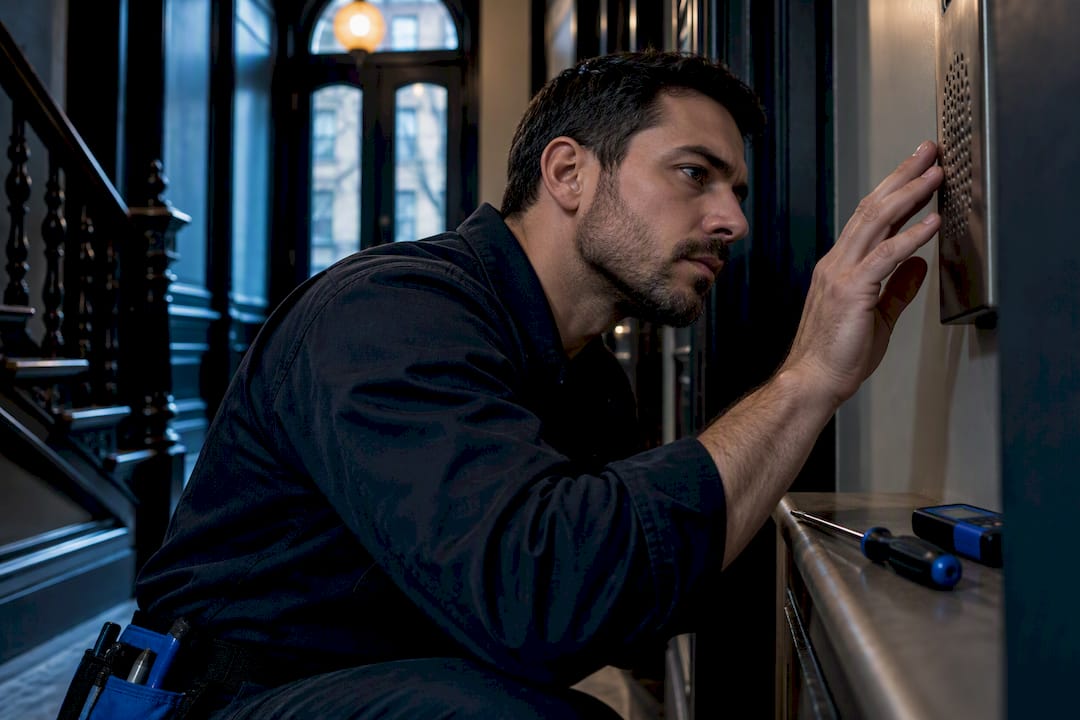
Welcome to your complete guide on whether Ring cameras are allowed in apartment buildings, where we break down the legal realities, landlord rules, and privacy considerations that every tenant and property owner should understand before installing a device. With rising concerns around safety and package theft, video doorbells have become increasingly popular, but the rules around their use in apartments are not always straightforward. This guide will help you understand what is typically allowed, what restrictions you may face, and how to use a Ring camera responsibly without violating lease agreements or privacy laws, so you can protect your space with confidence and avoid costly mistakes.
Ring cameras are generally allowed in apartment buildings, especially inside your unit, but restrictions may apply in shared areas like hallways or entrances. Approval often depends on local laws, lease agreements, and landlord policies. Always check your lease and privacy regulations before installing a Ring doorbell or security camera.
Are Ring Cameras Allowed In Apartments?
If you are considering installing a Ring camera in your apartment, the answer is not a simple yes or no. In most cases, these devices are allowed, but their legality and acceptability depend on several factors such as where the camera is placed, what it records, and the rules set by your landlord or local laws. Understanding these distinctions is important if you want to improve your security without creating legal or neighbor-related issues.
Where Ring Cameras Are Typically Allowed
Inside your private living space, Ring cameras are generally permitted because you have full control over your unit and a clear right to monitor your own environment. This includes areas like your living room, entryway, or interior-facing door setups.
- Private-use areas: Cameras placed inside your apartment are usually acceptable because they only monitor your personal space and do not interfere with others’ privacy
- Personal security use: Many tenants use indoor cameras to monitor deliveries, pets, or entry points without violating any building rules
- Minimal legal risk: As long as you are not recording private conversations without consent where laws restrict it, indoor use is typically low-risk
Where Restrictions Commonly Apply
The situation becomes more complex when cameras extend beyond your private unit, especially in shared or semi-public areas like hallways or entrances. These spaces are often subject to stricter rules due to privacy concerns involving other residents.
- Shared hallways: Installing a camera that records common areas may be restricted or prohibited because it can capture neighbors’ movements
- Door-mounted devices: Ring doorbells placed on apartment doors may require approval, especially if they record outside your unit
- Neighbor privacy impact: Even unintentional recording of nearby doors, windows, or frequent foot traffic can lead to complaints or disputes
Factors That Determine Whether Ring Cameras Are Allowed
Several key factors influence whether you can legally and safely install a Ring camera in an apartment setting. These should always be reviewed before making any installation decisions.
- Local and state laws: Regulations vary widely, especially around video surveillance and audio recording consent, so it is important to understand the rules in your specific area
- Lease agreement terms: Some leases include clauses that restrict modifications, surveillance devices, or installations that affect shared property
- Landlord or HOA policies: Property managers and homeowner associations often have their own guidelines regarding cameras, particularly in shared spaces or building exteriors
Differences By Location
The rules around apartment surveillance are not universal, and what is acceptable in one region may be restricted in another. In the United States, laws often differ by state, especially when it comes to audio recording and privacy expectations. In other countries, particularly in parts of Europe, privacy regulations tend to be stricter, and installing cameras that capture shared spaces can be more heavily regulated. This makes it essential to look beyond general advice and focus on the specific legal environment where your apartment is located.
Ultimately, Ring cameras can be a useful security tool in apartments, but responsible use is key. By understanding where they are allowed, respecting shared spaces, and following legal and lease requirements, you can protect your home without creating unnecessary risks or conflicts.
Understanding The Legal Basics Of Apartment Surveillance
Before installing any type of security device like a Ring camera, it is important to understand the legal framework that governs surveillance in apartment buildings. These rules are not always straightforward because they involve a mix of privacy expectations, property rights, and local regulations. Knowing how these elements work together can help you avoid legal issues while still protecting your space.
Expectation Of Privacy In Apartment Buildings
One of the most important legal concepts in surveillance is the “reasonable expectation of privacy.” This refers to whether a person can reasonably expect not to be recorded in a particular space. Courts and laws often use this principle to determine whether recording is acceptable or intrusive.
In an apartment setting, privacy expectations vary depending on location:
- Inside your unit: This is considered a private space where you have the highest level of control. You are generally allowed to install cameras within your own apartment, as long as you are not violating other laws such as audio recording restrictions.
- Hallways and entrances: These are shared spaces used by multiple residents. While they are not fully private, people still have a limited expectation of privacy. Recording in these areas can raise concerns, especially if your camera captures neighbors entering or leaving their homes.
The key takeaway is that the more a space is shared, the more careful you need to be about surveillance. Even if something seems technically visible, recording it may still raise legal or ethical concerns.
Federal Vs. State Vs. Local Laws
There is no single law that governs apartment surveillance everywhere. Instead, rules are shaped by a combination of federal, state, and local regulations. This layered system is why the legality of Ring cameras can vary significantly depending on where you live.
Here are some of the most common areas that laws may regulate:
- Audio recording consent: Some regions follow one-party consent rules, meaning only one person involved in a conversation needs to agree to being recorded. Others require all parties to give consent, which makes audio-enabled devices more legally sensitive.
- Video recording in shared spaces: Laws may restrict or limit video recording in areas where people expect a degree of privacy, even if those spaces are technically public or shared within a building.
Because these rules can differ not just by state but sometimes by city or municipality, it is essential to check your local laws before installing any camera. Relying on general advice without confirming local regulations can lead to unintended violations.
Are Video Doorbells Legal In Shared Hallways?
Video doorbells like Ring devices often create confusion because they sit at the boundary between private and shared space. Your front door belongs to your unit, but the hallway outside it is typically a common area.
This creates a legal gray area:
- Some jurisdictions allow limited use: In certain areas, video doorbells are permitted as long as they are not overly intrusive. This usually means positioning the camera to focus primarily on your doorway rather than capturing large portions of the hallway.
- Others impose stricter limits: Some regions or building policies restrict cameras that record neighbors’ doors, windows, or regular activity, even if the device is mounted on your own door.
Even when local laws appear to allow video doorbells, disputes can still arise. Neighbors may feel uncomfortable being recorded, and landlords or property managers may enforce their own rules to avoid liability or complaints.
In practice, legality does not always equal acceptance. A setup that is technically allowed could still lead to conflicts, so it is important to balance your security needs with respect for shared living spaces.
Understanding these legal basics gives you a stronger foundation for making informed decisions about apartment surveillance, helping you stay compliant while avoiding unnecessary risks or disputes.
What Do Landlords And Lease Agreements Say?
Before installing any type of security camera in an apartment building, it is essential to understand how lease agreements and landlord policies come into play. While local laws set the legal boundaries, your lease often determines what you are actually allowed to do within the property. Many tenants assume that if something is legal, it is automatically permitted, but lease terms can impose additional restrictions that are legally enforceable. Taking the time to review your agreement and communicate with your landlord can help you avoid unnecessary disputes and ensure your setup remains compliant.
Lease Clauses That May Restrict Cameras
Lease agreements frequently include provisions that limit how tenants can modify or use the property. These clauses are not always written with security cameras in mind, but they can still apply directly to devices like Ring doorbells or indoor surveillance systems.
- Alterations to property: Many leases prohibit tenants from making physical changes without approval. Installing a camera that requires drilling, mounting, or wiring may be considered an unauthorized alteration, even if it seems minor.
- Rules about fixtures, drilling, or wiring: Some agreements distinguish between temporary and permanent fixtures. A no-drill mount may be acceptable, while a hardwired device or anything that leaves damage behind could violate the lease.
- Privacy clauses: Certain leases include language about respecting other tenants’ privacy. If your camera captures shared areas or neighboring units, it may be considered a breach of those terms, even if your intent is purely for security.
Understanding these clauses helps you assess risk before installation and gives you a clearer idea of what type of setup is acceptable in your specific situation.
When Landlord Permission Is Required
Even if your lease does not explicitly mention cameras, there are situations where landlord approval is strongly recommended or required. Seeking permission is not just about following rules. It also protects you from potential penalties or conflicts later on.
- Installing outside your unit: Placing a camera on a doorframe or pointing it into a hallway often involves shared property. Because these areas are not exclusively yours, landlords typically require approval before anything is installed.
- Modifying doors or walls: Any installation that involves drilling, screws, or electrical changes usually needs prior consent. This applies to both exterior-facing devices and some interior setups.
- Using shared Wi-Fi or building systems: If your camera relies on building-managed internet or integrates with existing security infrastructure, landlords may have policies governing how these systems are used to maintain network security and performance.
Getting written approval is always the safest approach. It creates a clear record that protects both you and the landlord in case questions arise later.
HOA And Apartment Policy Considerations
In some apartment settings, especially condo-style buildings, additional rules may apply beyond the lease itself. Homeowners’ associations and property management policies can introduce another layer of regulation that affects whether and how cameras can be used.
- Condo buildings vs. rental apartments: Condo associations often have stricter, community-wide rules compared to standard rental properties. These may limit visible devices, exterior modifications, or anything that affects the building’s appearance.
- Building-wide surveillance policies: Some properties already have centralized security systems in place. In these cases, personal cameras may be restricted to avoid overlap, liability issues, or conflicts with existing monitoring protocols.
- Security system conflicts: Installing a personal device that interferes with building systems or creates blind spots can be a concern for management. Policies may exist to ensure all security measures work together rather than against each other.
Taking these factors into account helps you make informed decisions and ensures that your security setup aligns with both legal requirements and building expectations.
Understanding how lease agreements and landlord policies shape what is allowed gives you a stronger foundation for making the right decision. A quick review of your lease and a simple conversation with your landlord can save you from costly mistakes while helping you set up a security solution that works for everyone involved.
Where You Can (and Can’t) Install Ring Cameras in Apartments
Understanding where you can install a Ring camera in an apartment building is essential for staying compliant with both legal requirements and lease agreements. While these devices are designed for convenience and security, their placement directly impacts privacy rights, landlord policies, and potential disputes with neighbors. The key is knowing which areas are considered private, semi-private, or shared, and adjusting your setup accordingly.
Inside Your Apartment (Generally Allowed)
Installing a Ring camera inside your apartment is typically the safest and most widely accepted option. Since this space is considered your private residence, you generally have more control over how you monitor it. Many tenants use indoor cameras for added security, especially near entry points or areas where valuables are stored.
- Living Room Monitoring: Ideal for keeping an eye on your main living space when you are away, especially for general security or checking in remotely
- Entryway Coverage: Positioning a camera near your front door inside your unit allows you to monitor who enters and exits without capturing shared spaces
- Interior Security: Useful for monitoring deliveries brought inside, pets, or unexpected activity within your apartment
That said, there are important exceptions to consider. Recording individuals inside your home can raise legal issues, particularly when audio is involved.
- Consent Requirements: Some jurisdictions require consent before recording conversations, even inside your own apartment
- Guest Privacy: Recording guests without their knowledge may create legal or ethical concerns, depending on local laws
- Sensitive Areas: Cameras should never be placed in private areas like bathrooms or bedrooms, where privacy expectations are highest
Taking a privacy-conscious approach inside your apartment helps ensure your setup remains both legal and respectful.
On Your Front Door or Doorframe
Installing a Ring doorbell on your apartment door is one of the most common use cases, especially for preventing package theft and monitoring visitors. However, this is also where legal gray areas and building policies often come into play.
- Primary Use Case: A door-mounted camera allows you to see deliveries, visitors, and activity directly outside your unit
- Security Benefit: Helps deter theft and provides video evidence if incidents occur
Despite these advantages, several challenges can arise:
- Neighbor Privacy: A front-door camera may unintentionally capture footage of neighboring doors, hallways, or foot traffic
- Mounting Restrictions: Many leases prohibit drilling, wiring, or altering doors and frames without permission
- Shared Space Recording: Even if mounted on your door, the camera may still record a semi-public area
Because of these factors, landlord approval is often required or strongly recommended.
- Written Permission: Always seek clear approval before installation to avoid lease violations
- Non-Invasive Setup: Use no-drill mounts or removable fixtures to comply with property rules
- Camera Positioning: Adjust angles to limit recording beyond your immediate doorway
A front-door installation can be effective, but it requires careful setup to avoid legal and neighbor-related issues.
In Hallways, Stairwells, or Shared Spaces
Installing Ring cameras in hallways, stairwells, or other shared areas is typically restricted or outright prohibited in most apartment buildings. These areas are considered communal spaces where multiple residents have a reasonable expectation of privacy.
- Shared Privacy Concerns: Cameras in common areas may capture neighbors, guests, and daily activity without consent
- Increased Legal Risk: Recording in shared spaces is more likely to conflict with privacy laws, especially when audio is involved
- Conflict Potential: These installations often lead to complaints or disputes among tenants
From a property management perspective, there are also liability concerns.
- Building Liability: Unauthorized surveillance can expose landlords or property owners to legal risks
- Policy Violations: Most apartment complexes have strict rules against tenant-installed cameras in shared spaces
- Security Overlap: Buildings may already have their own surveillance systems, making personal devices unnecessary or conflicting
For these reasons, shared-space installations are rarely advisable unless explicitly approved by the landlord or building management. Even then, such approvals are uncommon and usually come with strict limitations.
In most cases, focusing on private-space monitoring or approved door-mounted setups provides a safer and more compliant approach to apartment security.
Privacy Concerns You Shouldn’t Ignore
When installing a Ring camera in an apartment setting, privacy is one of the most important and often overlooked factors. While the goal is usually to improve personal security, it’s easy to cross into areas that affect other people’s rights without realizing it. Understanding how your camera may impact neighbors, guests, and shared spaces helps you stay compliant, avoid disputes, and use your device responsibly.
Recording Neighbors and Their Guests
One of the biggest concerns with apartment-based cameras is how easily they can capture more than just your own space. Hallways, entryways, and shared corridors often place your camera within range of other residents’ daily activity.
- Unintentional surveillance risks: Even if your intention is to monitor your front door, your camera may still capture neighbors entering or leaving their units. This kind of passive recording can feel intrusive, especially in close-quarters living environments where privacy expectations are higher than in public spaces.
- Complaints and legal exposure: If a neighbor feels they are being recorded without consent, they may file a complaint with your landlord or property manager. In some cases, this can escalate into legal issues, particularly if the footage is shared or used improperly. Adjusting your camera’s angle and limiting its field of view can significantly reduce these risks.
Audio Recording Laws (Critical Risk Area)
Audio recording is where many well-meaning tenants unintentionally run into legal trouble. Unlike video, which is often allowed in certain contexts, recording conversations is subject to stricter laws.
- One-party vs. two-party consent states: In one-party consent areas, only one person involved in the conversation needs to be aware of the recording. In two-party consent areas, everyone being recorded must give permission. This distinction is critical because a Ring camera with audio enabled could capture conversations without proper consent, leading to violations.
- Why audio is more legally sensitive than video: Audio recordings can capture private conversations, which are generally given stronger legal protection than visual activity. This makes audio-enabled cameras a higher-risk feature in shared environments like apartment buildings. Many users choose to disable audio recording altogether to avoid compliance issues.
Data Security and Footage Storage
Beyond what your camera records, it’s equally important to understand how that data is stored and protected. Security doesn’t stop at installation. It extends to how your footage is managed and who can access it.
- Where footage is stored: Most Ring cameras rely on cloud-based storage, meaning your recordings are uploaded to external servers. While convenient, this also introduces dependency on third-party systems. Some devices offer local storage options, which give you more direct control but may require additional setup and maintenance.
- Risks of breaches or misuse: Any system connected to the internet carries some level of risk. Unauthorized access, weak passwords, or shared account credentials can expose your footage to others. There’s also the potential for misuse if recordings are downloaded, shared, or accessed without proper safeguards. Using strong passwords, enabling two-factor authentication, and regularly reviewing account activity are essential steps for protecting your data.
Being mindful of privacy concerns is not just about avoiding problems. It’s about using technology in a way that respects the shared nature of apartment living while still protecting your own space.
Best Practices for Using Ring Cameras in Apartments
Using a Ring camera in an apartment setting requires more than just installation. It involves balancing personal security with legal compliance and respect for shared living spaces. By following a few well-established best practices, you can protect your home effectively while avoiding conflicts with landlords, neighbors, or local regulations.
Get Written Permission from Your Landlord
Before installing any security device, it is important to review your lease agreement and communicate directly with your landlord. Even if cameras are generally allowed, specific building policies may restrict how and where devices can be installed. Getting written approval protects you from misunderstandings and ensures you are operating within the terms of your lease.
- Lease compliance: Written permission confirms that your installation does not violate property rules or modification clauses
- Dispute prevention: Having documented approval reduces the risk of future conflicts or forced removal
- Clear expectations: It helps both you and your landlord agree on placement, installation method, and usage boundaries
Adjust Camera Angles to Respect Privacy
Proper camera placement is one of the most important factors in avoiding privacy issues. Your goal should be to monitor your own entryway without capturing unnecessary footage of shared areas or neighboring units. Small adjustments in angle and range can make a significant difference.
- Focused coverage: Position the camera to capture only your doorway and immediate surroundings
- Privacy protection: Avoid recording neighbors’ doors, windows, or high-traffic areas
- Reduced complaints: Thoughtful positioning minimizes the likelihood of neighbors feeling monitored
Disable or Limit Audio Recording if Needed
Audio recording laws are often stricter than video surveillance laws, and in some areas, recording conversations without consent can lead to legal consequences. If you are unsure about local regulations, limiting or disabling audio features is a safer approach.
- Legal compliance: Disabling audio helps avoid violating consent laws in stricter jurisdictions
- Risk reduction: It minimizes potential legal exposure related to recorded conversations
- Simplified setup: Focusing on video-only monitoring still provides security without added complexity
Use Non-Invasive Installation Methods
Many apartment leases restrict permanent modifications to doors, walls, or fixtures. Choosing installation methods that do not damage property helps you stay compliant and makes removal easier when you move out.
- No-drill options: Use mounts designed to attach securely without screws or permanent changes
- Removable fixtures: Select hardware that can be taken down cleanly without leaving marks
- Landlord-friendly approach: Non-invasive setups are more likely to be approved and less likely to cause issues
Inform Neighbors When Appropriate
While not always required, informing nearby neighbors about your camera can help maintain a positive living environment. Transparency builds trust and reduces the chances of misunderstandings or complaints.
- Open communication: Letting neighbors know the camera’s purpose can ease concerns
- Trust building: Transparency shows respect for shared living boundaries
- Conflict avoidance: Addressing concerns early can prevent formal complaints or disputes
Using a Ring camera in an apartment is ultimately about responsible use, not just installation. By staying mindful of legal requirements, respecting privacy, and maintaining clear communication, you can enjoy the benefits of added security without creating unnecessary complications.
Alternatives To Ring Cameras For Apartment Security
If installing a Ring camera feels complicated due to legal concerns, lease restrictions, or privacy issues, there are several practical alternatives that can still improve your safety without creating conflicts. These options are often more apartment-friendly, easier to install, and less likely to raise concerns with landlords or neighbors while still offering reliable protection.
Peephole Cameras (Less Intrusive)
Peephole cameras are one of the safest apartment security solutions because they replace or use your existing door peephole without requiring permanent modifications. They are specifically designed for renters who want visibility outside their door without violating building rules.
- Non-invasive installation: Most models fit directly into the existing peephole, avoiding drilling or structural changes
- Privacy-friendly design: The camera typically focuses only on the immediate area outside your door, reducing the risk of capturing neighbors
- Discreet appearance: From the outside, they often look like a standard peephole, making them less noticeable and less likely to cause concern
- Tenant-approved option: Landlords are generally more open to peephole cameras since they do not damage property
Indoor Cameras Facing Entryway
Indoor cameras positioned toward your front door offer a simple and compliant way to monitor activity without placing devices in shared spaces. This approach keeps all recording within your private unit, which is typically allowed under most laws and lease agreements.
- Private-space monitoring: Since the camera is inside your unit, it avoids legal issues tied to shared hallways or common areas
- Entry-point visibility: You can still see when someone enters or exits, which helps with security and awareness
- Lower legal risk: Indoor placement reduces concerns related to surveillance laws and neighbor privacy
- Flexible positioning: Cameras can be moved easily without requiring installation changes
Smart Locks And Sensors
Smart locks and sensor-based systems provide security without video recording, making them a strong alternative for those concerned about privacy or compliance. These systems focus on access control and real-time alerts rather than visual monitoring.
- Keyless entry control: Smart locks allow you to manage access remotely and track when doors are opened or closed
- Motion and contact alerts: Sensors can notify you of movement or door activity without recording video
- No privacy concerns: Since there is no camera involved, these systems eliminate surveillance-related disputes
- Easy installation: Many devices are renter-friendly and do not require permanent modifications
Building-Provided Security Systems
Some apartment buildings already offer built-in security features that tenants can rely on instead of installing personal devices. These systems are managed at the property level and are designed to comply with legal and privacy standards.
- Centralized monitoring: Cameras and access systems are professionally managed by the building
- Policy-compliant setup: These systems are already approved within the building’s rules and regulations
- Shared responsibility: Maintenance and upgrades are handled by the property management
- Supplementary protection: Tenants can combine these systems with personal security measures inside their unit
Choosing the right alternative depends on your comfort level, lease restrictions, and how much control you want over your security setup, but the safest approach is always one that balances protection with privacy and compliance.
Pros And Cons Of Using Ring Cameras In Apartments
Before installing a Ring camera in an apartment, it is important to weigh both the advantages and potential downsides. While these devices can significantly improve security and peace of mind, they also come with legal, privacy, and relationship considerations that should not be overlooked. Understanding both sides helps you make a more informed and responsible decision.
Benefits
Package Theft Prevention
One of the main reasons tenants install Ring cameras is to reduce the risk of package theft, which is a common issue in apartment buildings. A visible door-mounted camera can act as a deterrent and provide recorded evidence if theft occurs.
- Deterrent effect: The presence of a camera often discourages opportunistic theft
- Recorded evidence: Footage can help identify suspects or support police reports
- Delivery tracking: Real-time alerts let you know exactly when a package arrives
Personal Safety
Ring cameras add an extra layer of security by allowing you to see who is at your door before opening it. This is especially valuable in multi-unit buildings where unfamiliar foot traffic is common.
- Visitor verification: You can screen unknown visitors before interacting
- Emergency awareness: Alerts can notify you of unusual activity near your door
- Peace of mind: Knowing you can monitor your entry point helps reduce anxiety
Remote Monitoring
One of the most convenient features of Ring cameras is the ability to monitor your apartment entrance from anywhere using a smartphone. This is particularly useful for tenants who travel frequently or spend long hours away from home.
- Real-time access: View live footage from your phone at any time
- Motion alerts: Receive notifications when movement is detected
- Cloud storage: Access past recordings when needed for review
Drawbacks
Legal Gray Areas
Apartment settings often create uncertainty around what is legally allowed, especially in shared spaces like hallways. Laws can vary widely depending on location, making it difficult to determine compliance without proper research.
- Location-based laws: Regulations differ by city, state, or country
- Shared-space limitations: Recording outside your unit may raise legal concerns
- Audio restrictions: Recording conversations may require consent under local laws
Privacy Concerns
Using a camera in a multi-tenant environment can unintentionally capture footage of neighbors, their guests, or their daily routines. This can lead to discomfort or complaints even if your intent is security-focused.
- Unintentional recording: Cameras may capture more than your immediate doorway
- Sensitive data exposure: Stored footage could be accessed if not properly secured
- Perception issues: Neighbors may feel monitored or uncomfortable
Possible Lease Violations
Many lease agreements include rules about modifying the property or installing devices, which may apply to security cameras. Ignoring these terms can create legal or financial consequences.
- Installation restrictions: Drilling or mounting devices may not be allowed
- Policy conflicts: Some buildings have specific rules about surveillance devices
- Risk of penalties: Violations can lead to warnings, fines, or lease termination
Neighbor Disputes
Even when a Ring camera is legally installed, it can still lead to disagreements with neighbors who feel their privacy is being compromised. These disputes can escalate if not handled carefully.
- Privacy complaints: Neighbors may object to being recorded
- Tension in shared spaces: Cameras can create discomfort in close living environments
- Conflict escalation: Unresolved concerns may involve landlords or property managers
Choosing to install a Ring camera in an apartment ultimately comes down to balancing security needs with legal awareness and respect for others, and taking the time to set it up responsibly can help you avoid unnecessary complications while still protecting your space.
Before installing a Ring camera in your apartment, take a few minutes to review your lease, understand local privacy laws, and ensure you are setting it up correctly to avoid disputes or violations. If you want a safer, hassle-free setup that protects your home while staying fully compliant, explore our expert-backed recommendations and practical solutions designed specifically for apartment living.
FAQs: About If Ring Cameras Are Allowed in Apartment Buildings
- Are Ring cameras legal in apartment buildings?
Ring cameras are generally legal, but their use depends on local laws, lease agreements, and building policies. Most jurisdictions allow cameras inside private units, while restrictions often apply in shared or common areas. Always verify regulations specific to your location before installing. - Do I need my landlord’s permission to install a Ring camera?
In many cases, yes, especially if installation involves mounting on doors, walls, or shared property. Lease agreements often include clauses about modifications or surveillance devices. Getting written permission helps prevent disputes or potential lease violations. - Can I install a Ring doorbell on my apartment door?
You can usually install a Ring doorbell on your apartment door, but it depends on your lease and building rules. Non-invasive mounting options are often preferred. It’s important to ensure the camera does not capture excessive footage of neighbors or shared spaces. - Is it illegal to record video in apartment hallways?
Recording in hallways can be legally complex because these are shared spaces with some expectation of privacy. Laws vary by jurisdiction, and some buildings prohibit surveillance in common areas altogether. It’s best to check both local regulations and building policies. - Can Ring cameras record audio legally in apartments?
Audio recording is more strictly regulated than video and may require consent from one or all parties, depending on local laws. Recording conversations without proper consent can lead to legal issues. Many users choose to disable audio features to stay compliant. - Can neighbors complain about my Ring camera?
Yes, neighbors can raise complaints if they feel their privacy is being violated. This is especially common if the camera captures their doorway, windows, or frequent activity. Adjusting camera angles and communicating openly can help avoid conflicts. - What happens if my lease prohibits security cameras?
If your lease explicitly prohibits cameras, installing one could result in warnings, fines, or even eviction in severe cases. It’s important to follow lease terms or negotiate with your landlord for an exception. Ignoring restrictions can create unnecessary legal risk. - Are there safer alternatives to Ring cameras for apartments?
Yes, alternatives include peephole cameras, indoor cameras facing entryways, and smart security sensors. These options are less intrusive and more likely to comply with lease agreements. They can still provide effective security without raising privacy concerns. - Can landlords restrict tenants from using security cameras?
Landlords can set reasonable rules regarding surveillance devices, especially in shared spaces or building exteriors. These restrictions are usually outlined in lease agreements or building policies. Their goal is often to protect the privacy and safety of all tenants. - How can I use a Ring camera without violating privacy laws?
To stay compliant, position the camera to focus only on your private space, avoid recording neighbors, and review local audio recording laws. Using non-invasive installation methods and informing your landlord can also reduce risk. Responsible use is key to avoiding legal and social issues.
Conclusion
Deciding whether to use a Ring camera in an apartment comes down to understanding that while these devices are usually allowed, they come with important limitations tied to privacy laws, lease agreements, and building-specific rules. In most cases, using a camera inside your unit or in a non-invasive way is acceptable, but placing one in shared spaces or areas that capture neighbors can create legal and social issues if not handled carefully. The key is finding the right balance between improving your personal security and respecting the privacy and rights of others in a shared living environment. Before installing any device, take the time to review your lease terms, check your local recording laws, and have a quick conversation with your landlord to avoid misunderstandings. It is also worth adjusting your camera placement to focus only on your entry point and avoiding audio recording if laws in your area are stricter. If you are unsure about compliance or want a safer approach, consider apartment-friendly alternatives like peephole cameras or indoor entry monitoring systems that provide protection without crossing privacy boundaries.